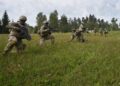
The U.S. Department of War has released a comprehensive readout detailing the recent bilateral defense consultations held between the United States and North Macedonia. These high-level talks underscore the ongoing commitment of both nations to enhance military cooperation, regional security, and strategic partnership in the face of evolving global challenges. As tensions persist in various geopolitical hotspots, the dialogue reflects a shared interest in strengthening defense capabilities and interoperability, signaling a pivotal moment in U.S.-North Macedonia relations. This article delves into the key outcomes and strategic implications of the consultations, drawing on official statements and expert analysis.
U.S. and North Macedonia Strengthen Defense Partnership Through Strategic Dialogues
Officials from the United States and North Macedonia recently concluded a series of high-level defense consultations aimed at enhancing their strategic partnership. These dialogues emphasized mutual interests in regional security, interoperability of forces, and joint training exercises. Both nations reaffirmed their commitment to collective defense, underscoring progress made in cybersecurity cooperation and intelligence sharing as key priorities for the upcoming year.
Key focus areas from the consultations included:
- Expanding joint military exercises to improve operational readiness
- Enhancing defense technology exchanges for improved battlefield capabilities
- Strengthening NATO collaboration to ensure regional stability
- Increasing support for counterterrorism initiatives
| Agenda Item | U.S. Commitment | North Macedonia Commitment |
|---|---|---|
| Joint Training | Annual multinational exercises | Host and participate actively |
| Cybersecurity | Share technical expertise | Enhance national cyber defense |
| Intelligence Sharing | Provide secure platforms | Increase operational transparency |
| Defense Modernization | Support with equipment & training | Implement updated protocols |
Key Outcomes of the Bilateral Defense Consultations and Their Regional Implications
The recent consultations marked a significant advancement in U.S.-North Macedonia defense relations, resulting in several critical agreements designed to bolster regional security and interoperability. Key outcomes include enhanced joint training exercises focusing on counterterrorism and crisis response, the establishment of a bilateral task force for intelligence-sharing, and commitments to modernize North Macedonia’s defense infrastructure through targeted U.S. support programs. These steps are emblematic of a stronger strategic partnership aimed at reinforcing NATO’s southeastern flank.
Regionally, these developments signal a proactive approach to stabilizing the Balkans amid ongoing geopolitical challenges. Experts highlight that the consultations lay groundwork for:
- Improved maritime and border security cooperation among neighboring states;
- Increased deterrence capabilities aligned with shared NATO objectives;
- Heightened focus on cyber defense initiatives, countering emerging hybrid threats.
| Outcome | Regional Impact |
|---|---|
| Joint Training Exercises | Strengthened multilateral readiness |
| Intelligence Sharing Task Force | Enhanced situational awareness |
| Defense Infrastructure Modernization | Improved strategic resilience |
Recommendations for Enhancing Joint Military Cooperation and Security Preparedness
To fortify the strategic alliance between the United States and North Macedonia, both parties emphasized the importance of synchronized training exercises aimed at boosting operational readiness. Establishing regular joint drills will enable forces to standardize communication protocols and streamline tactical responses to emergent threats. Moreover, increased intelligence sharing and coordinated cyber defense initiatives promise to enhance situational awareness across all domains.
Key focal points for advancing security preparedness include:
- Expansion of joint maritime and aerial surveillance activities to monitor regional hotspots efficiently.
- Implementation of cross-border rapid deployment frameworks to accelerate response times in crisis scenarios.
- Development of interoperable logistics support systems ensuring seamless resource mobilization.
- Strengthening cybersecurity collaboration through shared best practices and joint vulnerability assessments.
| Initiative | Objective | Timeline |
|---|---|---|
| Joint Training Exercises | Enhance interoperability and tactical coordination | Q3 2024 |
| Cyber Defense Collaboration | Strengthen digital infrastructure security | Ongoing |
| Rapid Deployment Framework | Accelerate crisis response capacity | Q1 2025 |
Insights and Conclusions
The recent U.S.-North Macedonia bilateral defense consultations underscore a continued commitment to strengthening military cooperation and regional security in the Balkans. Both parties reaffirmed their shared values and strategic interests, paving the way for enhanced interoperability and joint initiatives. As geopolitical challenges persist, the dialogue exemplifies the enduring partnership between the United States and North Macedonia, signaling a coordinated approach to defense and stability in the years ahead. Further updates from the U.S. Department of Defense will provide additional insights into the outcomes and future directions of this collaboration.