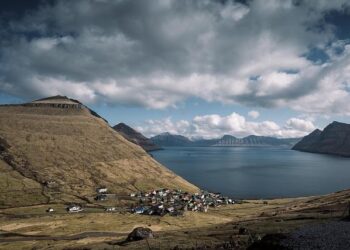
The Faroe Islands, once grappling with a steady outflow of young talent and an ageing population, have successfully turned the tide on their demographic challenges. In a remarkable case study of community resilience and innovative policy, the North Atlantic archipelago has implemented strategies that not only retain its youth but also attract new residents, rejuvenating its workforce and economy. This article explores how the Faroe Islands reversed the brain drain, offering valuable lessons for other regions facing similar demographic pressures.
Revitalizing Communities Through Strategic Investment in Education and Healthcare
Addressing the challenges of youth outmigration and an ageing demographic, the Faroe Islands have implemented a multi-faceted approach prioritizing robust investment in both education and healthcare infrastructure. By creating competitive local opportunities through enhanced educational programs and specialized healthcare services, the islands have successfully stemmed the tide of brain drain. This strategy includes expanding vocational training tailored to emerging industries, alongside scholarships linking students to homegrown enterprises. Crucially, healthcare initiatives focus on integrating cutting-edge technology with community-centered care, ensuring residents enjoy high-quality services without needing to relocate.
The impact of these investments is evident not only in population metrics but also in economic vitality and social cohesion. Key measures include:
- Regional education hubs: Encouraging retention by offering diverse learning pathways locally and digitally.
- Healthcare accessibility: Mobile clinics and telehealth platforms connecting remote communities.
- Public-private partnerships: Driving job creation within healthcare and education sectors.
| Investment Area | Primary Outcome | Long-Term Benefit |
|---|---|---|
| Education | Increased graduation rates by 25% | Sustained skilled workforce |
| Healthcare | Reduced patient travel by 40% | Higher community health standards |
| Employment | New jobs in education & health up by 30% | Economic resilience and growth |
Empowering Youth with Local Opportunities and Innovative Career Paths
In recent years, the Faroe Islands have become a beacon of hope for regions battling youth outmigration. By intertwining traditional industries with cutting-edge technology, local communities have created a vibrant ecosystem where young professionals find both purpose and prosperity. Initiatives such as tech incubators, sustainable fisheries programs, and creative arts hubs offer fresh career paths that resonate with the islanders’ cultural identity. This proactive approach has not only stemmed the tide of brain drain but also attracted Faroese expatriates back home, eager to contribute to a thriving economy tailored to their ambitions.
Key strategies driving this transformation include:
- Investment in local education aligned with emerging industries
- Government-backed entrepreneurship grants fostering innovation
- Collaboration between traditional sectors and digital startups
- Enhanced infrastructure connecting remote communities
| Year | Youth Return Rate | New Startups Launched | Unemployment (%) |
|---|---|---|---|
| 2015 | 12% | 5 | 7.8 |
| 2018 | 27% | 14 | 5.2 |
| 2022 | 41% | 28 | 3.9 |
Building a Sustainable Future by Fostering Cultural Identity and Remote Work Initiatives
In the wake of a demographic challenge marked by a steadily ageing population, the Faroe Islands have engineered a remarkable turnaround by intertwining the preservation of cultural identity with innovative remote work policies. By cultivating a sense of pride in their unique heritage-manifested through language, traditional arts, and community-centric festivals-the islands have re-engaged younger generations who once saw migration as the only path to opportunity. This cultural renaissance has been amplified by the government’s strategic promotion of remote work, positioning the Faroe Islands as a beacon for digital nomads and returning residents alike.
Key initiatives implemented to support this transformation include:
- Comprehensive high-speed internet infrastructure reaching even the most isolated villages.
- Subsidies and incentives for startups and freelancers choosing to settle locally.
- Community co-working hubs blending modern workspaces with traditional Faroese design.
- Language and cultural education programs accessible remotely to maintain identity.
| Metric | 2015 | 2023 |
|---|---|---|
| Percentage of population under 35 | 32% | 45% |
| Remote workers on the islands | 230 | 1,150 |
| New startups registered annually | 12 | 47 |
To Wrap It Up
The Faroe Islands’ success in reversing the brain drain of an ageing population offers a compelling model for other remote and rural regions facing similar demographic challenges. Through targeted policies that blend economic opportunity, quality of life improvements, and cultural engagement, the islands have managed to retain and attract young talent, ensuring a more sustainable future. As demographic pressures intensify worldwide, the Faroese experience underscores the importance of innovative, locally tailored solutions in revitalising communities and securing long-term resilience.