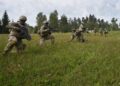
As tensions escalate between NATO and Russia, Lithuania is undertaking significant measures to bolster its national defense in anticipation of potential conflict. Situated on the frontline of Eastern Europe’s geopolitical standoff, the Baltic state is enhancing military readiness amid growing concerns over regional security. This development highlights the deepening strains between the West and Moscow, as Lithuania positions itself within the broader NATO strategy to deter aggression.
NATO Strengthens Baltic Defenses Amid Escalating Russia Threat
Lithuania is taking decisive steps to bolster its defenses as geopolitical tensions with Russia escalate. The Baltic state has intensified military readiness by increasing troop deployments near its eastern borders and enhancing surveillance capabilities. Collaborating closely with NATO allies, Lithuania aims to deter any potential incursions through a series of joint training exercises and advanced military equipment acquisitions. The nation’s strategic position has made it a priority hub for NATO’s collective defense strategy, reflecting wider concerns about regional security amid Russia’s assertive posture.
Key initiatives underway include:
- Expansion of air and naval patrols over the Baltic Sea
- Deployment of multinational battlegroups on Lithuanian soil
- Investment in cyber defense systems to counter hybrid threats
| NATO Presence | Units Deployed | Primary Role | ||
|---|---|---|---|---|
| Lithuania | 5,000+ | Border security & intelligence | ||
| Poland | 3,200 | Rapid response units | ||
| United States | 4,000 | United States | 4,000 | Air support & logistics |
| Category | Action | Expected Completion |
|---|---|---|
| Military Training | Quarterly joint exercises with NATO | Q4 2024 |
| Civil Preparedness | Nationwide emergency drills | Q3 2024 |
| Technology Upgrade | Deployment of new radar systems | Q2 2025 |
Experts Urge Enhanced Regional Cooperation and Long-Term Strategic Planning
Amid escalating tensions between NATO and Russia, defense analysts stress the imperative for strengthened regional alliances and a unified approach to security challenges in Eastern Europe. Experts highlight that Lithuania’s proactive measures underline a broader necessity: cohesive strategies that transcend national boundaries to enhance collective resilience. Such coordination could involve joint military exercises, intelligence sharing, and synchronized contingency planning to anticipate various conflict scenarios.
Moreover, strategists advocate for the adoption of long-term frameworks that focus not only on immediate threats but also on sustainable peacebuilding efforts. These frameworks emphasize:
- Integrated defense infrastructure development
- Robust cyber defense networks
- Cross-border humanitarian response capabilities
- Regular diplomatic dialogue mechanisms
| Strategic Focus | Key Actions | Expected Outcome |
|---|---|---|
| Military Readiness | Joint drills, rapid mobilization plans | Enhanced deterrence and response |
| Cybersecurity | Shared threat intelligence, simulations | Protection against hybrid attacks |
| Diplomatic Engagement | Regular summits, conflict de-escalation talks | Reduced risk of miscalculation |
| Humanitarian Preparedness | Coordinated crisis management | Minimized civilian impact |
Wrapping Up
As NATO-Russia tensions continue to escalate, Lithuania’s strategic preparations highlight the growing sense of urgency within the Baltic region. With a keen focus on defense readiness and international cooperation, the Baltic states remain at the forefront of efforts to deter potential aggression. The evolving security landscape underscores the importance of sustained dialogue and diplomacy, even as nations brace for an uncertain and increasingly volatile future.