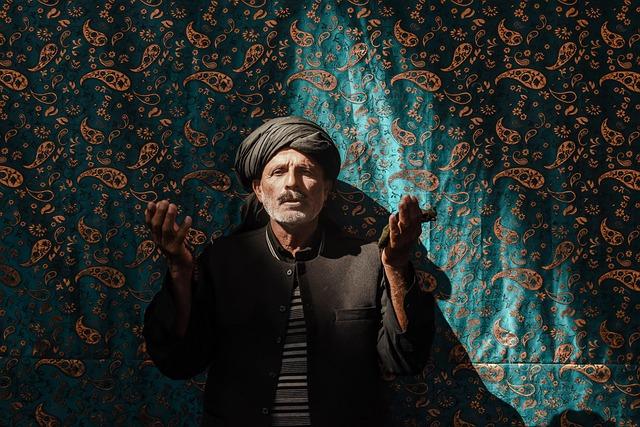
Tensions continue to mount in Iran as complex political and social challenges grip the nation, raising concerns across the region. In the latest assessment, military officials have addressed Albania’s security status, stating that while the country is not currently at immediate risk, it cannot be entirely ruled out as a potential target amid broader geopolitical uncertainties. This evolving situation underscores the fragile balance of stability and the need for vigilance in the face of unpredictable developments.
Complex Dynamics Fueling the Ongoing Crisis in Iran and Regional Implications
The ongoing turmoil in Iran stems from a myriad of intertwined political, social, and economic factors. Widespread civil unrest fueled by economic sanctions, governmental crackdowns, and deep-rooted ethnic tensions continue to destabilize the country. Additionally, the regime’s efforts to suppress dissent have only intensified the public’s determination, creating a volatile environment with unpredictable outcomes. Regional powers are closely watching Iran’s internal upheaval, wary of potential spillovers that could shift existing alliances and power balances.
While Albania currently stands clear of direct impacts, the broader regional implications cannot be underestimated. Experts emphasize several key risk factors relevant to the Balkans and beyond:
- Potential refugee flows altering demographic and political landscapes
- Increased cyber threats originating from state and non-state actors leveraging the chaos
- Heightened diplomatic tensions as global powers recalibrate their Middle East strategies
| Factor | Potential Impact | Likelihood |
|---|---|---|
| Refugee influx | Moderate societal pressure | Low to Medium |
| Cybersecurity threats | Critical infrastructure risk | Medium |
| Diplomatic shifts | Political realignment | Medium to High |
Albania’s Strategic Position Amid Uncertainty Emphasizes Cautious Vigilance
Albania’s geopolitical location places it at a crossroads of various regional dynamics, particularly amid escalating tensions in the Middle East. Although recent statements from military officials suggest that immediate threats remain improbable, the potential for indirect repercussions cannot be dismissed. The country’s proximity to volatile areas calls for sustained strategic vigilance, emphasizing readiness without provocation. Analysts stress that while Albania currently enjoys a lower risk profile, the unpredictability of regional shifts demands a continuous assessment of defense and intelligence measures.
Key factors influencing Albania’s posture include:
- Alliance Commitments: Ongoing obligations within NATO frameworks provide collective security assurances.
- Intelligence Sharing: Enhanced cooperation with international partners offers critical early warnings.
- Domestic Stability: Internal security remains a top priority to prevent exploitation of tensions by hostile actors.
| Factor | Status | Implication | ||
|---|---|---|---|---|
| NATO Membership | Active | Strong deterrence | ||
| Military Readiness | Moderate | Needs enhancement | ||
| Regional Tensions | | Factor | Status | Implication | |
| NATO Membership | Active | Strong deterrence | ||
| Military Readiness | Moderate | Needs enhancement | ||
| Regional Tensions | Rising | Calls for vigilance |
If you want me to help develop the surrounding content or style the entire section more, feel free to ask!
Proactive Measures Recommended to Safeguard National Interests and Prepare for Potential Escalations
In light of the ongoing complexities in Iran, authorities emphasize the importance of maintaining vigilant surveillance and updating contingency plans to shield national interests effectively. Strengthening intelligence collaboration remains a top priority, involving both regional allies and international partners to anticipate and neutralize emerging threats. Enhanced cybersecurity protocols and border security measures are being reinforced to mitigate risks of infiltration or cyber-attacks that could disrupt critical infrastructure or destabilize the socio-political climate.
To further bolster readiness, the government has outlined several key actions:
- Regular risk assessments from military and diplomatic sources to monitor shifts in regional dynamics.
- Strategic stockpiling of essential resources and critical supplies as precautionary measures.
- Public communication campaigns to maintain social calm and disseminate accurate information.
- Joint training exercises with allied forces to enhance rapid response capabilities.
| Action | Purpose | Expected Outcome |
|---|---|---|
| Intelligence Sharing | Early threat detection | Timely preventive measures |
| Cybersecurity Upgrades | Protect critical infrastructure | Minimized disruption risks |
| Public Outreach | Maintain societal stability | Reduced panic and misinformation |
| Emergency Drills | Enhance military readiness | Swift, coordinated response |
Future Outlook
As the complex situation in Iran continues to evolve, regional and international observers remain vigilant to the potential ripple effects beyond its borders. While Albanian officials assert that the country is not currently at risk, they acknowledge that the unpredictable nature of the crisis means that no scenario can be entirely excluded. The coming weeks will be critical in determining how developments in Iran might impact security dynamics in the Balkans and beyond. Authorities urge continued monitoring and preparedness as the situation unfolds.