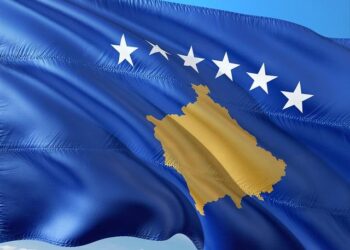
Peter Due has taken up the pivotal role of Special Representative of the Secretary-General and Head of the United Nations Interim Administration Mission in Kosovo (UNMIK), marking a significant chapter in the ongoing efforts to maintain peace and stability in the region. With extensive experience in international diplomacy and conflict resolution, Due steps into his position at a critical juncture, tasked with navigating the complex political landscape of Kosovo. His appointment underscores the United Nations’ continued commitment to fostering dialogue, supporting institutional development, and promoting sustainable peace on the ground. This article provides an overview of Peter Due’s mission, background, and the challenges ahead as he leads UNMIK in its vital work.
Peter Due Takes Helm at UNMIK with Vision for Stability and Progress
Peter Due has officially assumed his role as the Special Representative of the Secretary-General and Head of the United Nations Interim Administration Mission in Kosovo (UNMIK). With a distinguished diplomatic career marked by a dedication to peacebuilding and conflict resolution, Due brings a renewed focus on fostering stability and sustainable development in the region. His appointment signals a commitment to strengthening dialogue between communities and enhancing cooperation with local authorities to address ongoing challenges.
Among his strategic priorities are:
- Enhancing security and rule of law initiatives
- Promoting inclusive political processes
- Facilitating socio-economic recovery and youth empowerment
- Supporting human rights monitoring and protection
| Focus Area | Key Goals |
|---|---|
| Security | Reduce tensions, support local police |
| Political Dialogue | Bridge community divides, democratic engagement |
| Economic Growth | Job creation, youth opportunities |
| Human Rights | Protect minorities, monitor violations |
Under Mr. Due’s leadership, UNMIK aims to build on past achievements while introducing innovative approaches that respond to Kosovo’s evolving landscape. His vision underscores the importance of inclusive governance and resilient institutions as cornerstones for lasting peace and progress.
Key Challenges Facing UNMIK Under Peter Due’s Leadership
Under Peter Due’s stewardship, UNMIK faces a complex landscape marked by persistent political fragmentation and ethnic tensions within Kosovo. The mission grapples with facilitating dialogue between Kosovo’s Albanian majority and Serb minority, a task complicated by limited trust and competing national narratives. Additionally, the evolving geopolitical dynamics in the Balkans demand delicate diplomacy, as external actors influence local stability. Ensuring effective governance and rule of law continues to be a significant challenge, especially in areas where institutional capacity is weak or compromised by corruption.
Operational constraints also pose considerable hurdles, including limitations in resources and personnel, which affect UNMIK’s ability to maintain security and support reconstruction efforts. Moreover, the mission must navigate competing mandates with other international organizations active in the region, requiring careful coordination to avoid overlap or gaps in service delivery. The following table summarizes key challenges alongside their implications for UNMIK’s strategic priorities:
| Challenge | Implication | Strategic Priority |
|---|---|---|
| Ethnic Divisions | Reduced social cohesion and heightened tensions | Conflict mediation and peacebuilding |
| Political Fragmentation | Difficulty in policy implementation | Institutional strengthening |
| Resource Limitations | Restricted operational capacity | Optimizing mission efficiency |
| Coordination with Other Agencies | Risk of duplicated efforts | Enhanced inter-agency collaboration |
Strategic Recommendations for Strengthening UNMIK’s Role in Kosovo
Enhancing UNMIK’s effectiveness requires a multifaceted strategy focused on improving operational transparency, strengthening local partnerships, and leveraging technological advancements. By fostering closer collaboration with Kosovo’s civil institutions and civil society organizations, UNMIK can cultivate trust and ensure that its initiatives are both inclusive and locally relevant. Prioritizing transparent communication channels will not only amplify UNMIK’s accountability but also empower communities with timely and accurate information.
Investing in capacity-building workshops and utilizing data-driven approaches will further solidify UNMIK’s role as a stabilizing presence in Kosovo. Key strategic priorities include:
- Integrated Coordination: Streamline coordination with international and regional stakeholders to optimize resource allocation.
- Conflict Prevention Mechanisms: Establish early-warning systems harnessing community input and real-time data analytics.
- Community Engagement: Regular town halls and participatory forums to support grassroots involvement.
| Strategic Focus | Outcome Expected |
|---|---|
| Transparency & Communication | Increased Public Trust |
| Local Partnerships | Enhanced Responsiveness |
| Technology Integration | Improved Monitoring |
To Wrap It Up
As Peter Due officially assumes his role as Special Representative of the Secretary-General and Head of the United Nations Interim Administration Mission in Kosovo (UNMIK), the international community watches closely. His leadership marks a pivotal moment for Kosovo’s ongoing journey toward stability, governance, and reconciliation. With decades of experience in diplomacy and peacekeeping, Due’s appointment underscores the UN’s continued commitment to fostering peace and development in the region. As challenges remain, the coming months will be critical in shaping the future of Kosovo under his stewardship.