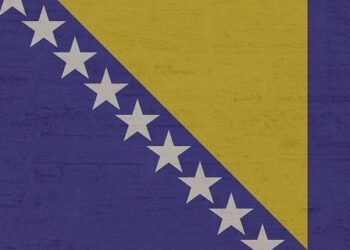
The Council of Europe has issued a stern call for politicians in Republika Srpska, Bosnia and Herzegovina, to refrain from using hateful and inflammatory language. In a region still grappling with the legacy of ethnic tensions, the Council emphasizes the critical role of responsible political discourse in promoting peace and stability. This statement comes amid growing concerns over rhetoric that risks deepening divisions within the country’s complex political landscape.
Politicians in Republika Srpska Urged to Stop Hate Speech Amid Rising Tensions
Authorities and watchdogs have expressed deep concern over the escalating use of inflammatory rhetoric by certain political figures in Republika Srpska, which risks exacerbating ethnic divisions in Bosnia and Herzegovina. Calls emphasize the urgent need for responsible discourse that prioritizes reconciliation, stability, and respect for all communities. Experts warn that such language not only undermines democratic values but also threatens to ignite further social tensions amid an already fragile post-conflict environment.
- Increased monitoring: Local NGOs and international bodies are stepping up scrutiny of public statements to counteract hate speech.
- Legal frameworks: Reaffirmation of existing laws aimed at curbing discriminatory language in political settings.
- Dialogue promotion: Initiatives encouraging constructive communication between different ethnic and political groups.
| Key Issue | Potential Consequence |
|---|---|
| Hate speech escalation | Heightened ethnic tensions |
| Political exploitation | Weakened trust in institutions |
| Lack of accountability | Normalization of divisive rhetoric |
Council of Europe Highlights Impact of Divisive Rhetoric on Bosnia and Herzegovina’s Stability
The Council of Europe has issued a stern warning regarding the recent surge in divisive rhetoric emanating from political figures in Republika Srpska. Officials emphasized that such inflammatory language risks undermining the fragile peace and stability that Bosnia and Herzegovina has painstakingly maintained since the Dayton Agreement. Efforts must be made to promote dialogue and mutual respect among all ethnic communities, as any escalation in hostile discourse threatens to exacerbate tensions and stall the country’s democratic progress.
Highlighting key areas of concern, the Council singled out:
- Inflammatory nationalist slogans that deepen ethnic divides
- Undermining of state-level institutions, posing risks to governance
- Incitement to hatred that fuels social polarization
The Council called for immediate action from Republika Srpska’s leadership to prioritize responsible communication and to uphold Bosnia and Herzegovina’s constitutional framework. Without a collective commitment to tolerance and inclusive governance, the prospects for lasting peace remain uncertain.
| Rhetoric Type | Potential Impact |
|---|---|
| Ethnic Nationalism | Heightened Inter-Community Tensions |
| Disparagement of Institutions | Political Fragmentation |
| Hate Speech | Social Polarization |
Calls for Inclusive Dialogue and Accountability to Foster Long-Term Peace in the Region
The ongoing political tensions in Republika Srpska have prompted urgent appeals from regional and international stakeholders advocating for a shift away from divisive rhetoric. Leaders are being urged to embrace language that promotes unity and understanding rather than fueling ethnic divisions. Such a shift is seen as critical to restoring trust among communities and building a foundation for sustainable peace. Emphasizing inclusive dialogue, experts highlight the need for engaging all sectors of society-government institutions, civil organizations, and minority groups-in conversations that address grievances and lay the groundwork for reconciliation.
Accountability remains a central pillar in these calls, with demands for transparent investigations into hate speech incidents and enforcement of measures to deter inflammatory statements. The Council of Europe and other bodies stress that achieving long-term stability depends not only on condemning rhetoric but also on implementing concrete policies that ensure respect for human rights and democratic values. Key areas for action include:
- Monitoring media and political discourse to identify and address hate speech swiftly.
- Strengthening legal frameworks safeguarding minority rights and penalizing incitement.
- Facilitating cross-community initiatives to rebuild social cohesion and mutual trust.
| Stakeholder | Role in Peacebuilding | Key Challenge |
|---|---|---|
| Politicians | Promote responsible discourse | Resisting populist divides |
| Civil Society | Bridge ethnic divides | Limited resources |
| International Partners | Offer mediation and support | Ensuring neutrality |
Closing Remarks
As Bosnia and Herzegovina continues to navigate its complex political landscape, the call from the Council of Europe for Republika Srpska politicians to refrain from hateful speech underscores the urgent need for responsible leadership. In a country still healing from the wounds of past conflicts, fostering dialogue over division remains crucial for long-term stability and reconciliation. The international community’s watchful attention serves as a reminder that words carry weight and that political rhetoric must contribute to peace rather than deepen ethnic divides. Ultimately, the path forward depends on leaders who prioritize unity and respect above all else.