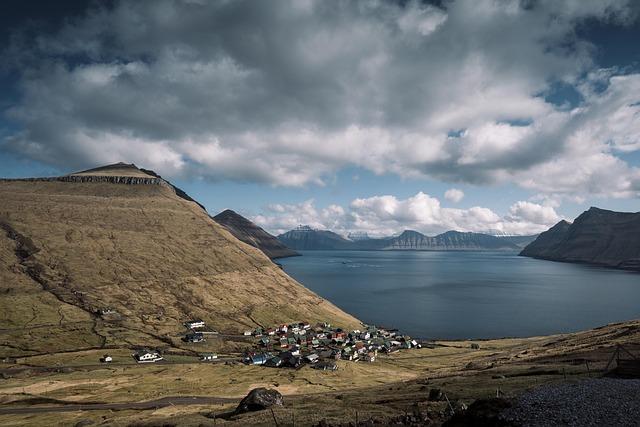
The Nordic Council has intensified its call for the formal inclusion of the Faroe Islands, Greenland, and the Åland Islands in regional decision-making frameworks, underscoring the importance of greater representation for these autonomous territories. Highlighting their unique geopolitical and cultural significance within the Arctic context, the Council’s advocacy aims to strengthen collaboration and ensure that the voices of these island communities are heard in shaping the future of the Nordic region. This development marks a pivotal step in Arctic governance, reflecting ongoing efforts to promote inclusion and sustainability across the North.
Nordic Council Pushes for Greater Representation of Faroe Islands Greenland and Åland Islands
The Nordic Council has intensified its efforts to enhance the political and cultural representation of the Faroe Islands, Greenland, and Åland Islands within its decision-making processes. Recognizing the unique challenges faced by these autonomous regions, the Council emphasizes the importance of granting them a stronger voice to address issues such as climate change, sustainable development, and cultural preservation. These territories, although self-governing in many respects, have historically been underrepresented in Nordic regional policy discussions, prompting calls for a more inclusive framework that respects their distinct identities and aspirations.
Key areas targeted for greater inclusion include:
- Enhanced participation in Nordic Council committees and working groups
- Increased funding directed towards local development initiatives
- Stronger collaboration on Arctic research and environmental protection
- Promotion of native languages and cultural heritage
| Region | Population | Autonomy Status | Focus Area |
|---|---|---|---|
| Faroe Islands | ~53,000 | Self-governing within Denmark | Fisheries & Renewable Energy |
| Greenland | ~56,000 | Self-governing within Denmark | Climate Change & Indigenous Rights |
| Åland Islands | ~30,000 | Autonomous region of Finland | Maritime Trade & Cultural Preservation |
Analyzing the Socioeconomic Benefits of Arctic Inclusion for Autonomous Regions
Integrating the Faroe Islands, Greenland, and the Åland Islands more prominently within Arctic governance offers tremendous socioeconomic opportunities. These autonomous regions hold unique strategic positions that can enhance economic development through sustainable resource management, fisheries, tourism, and emerging Arctic shipping routes. Empowering these communities ensures their participation in decision-making processes, which boosts local economies and strengthens cultural preservation. Moreover, inclusion fosters collaboration on climate resilience, job creation, and education tailored to Arctic realities, ultimately bolstering regional stability and prosperity.
Key benefits of this inclusion include:
- Increased investment in infrastructure, creating jobs and improving connectivity
- Enhanced access to international markets via burgeoning Arctic trade corridors
- Stronger political representation enhancing indigenous and local voices
- Promotion of sustainable development aligned with environmental commitments
| Region | Primary Economic Sectors | Projected GDP Growth (Next 5 Years) | Population |
|---|---|---|---|
| Faroe Islands | Fishing, Aquaculture, Tourism | 3.5% | 53,000 |
| Greenland | Mining, Fisheries, Tourism | 4.1% | 56,000 |
| Åland Islands | Shipping, Trade, Agriculture | 2.8% | 30,000 |
Policy Recommendations to Strengthen Arctic Cooperation and Regional Integration
To enhance regional cooperation, the Nordic Council emphasizes the urgent need to formally recognize the Faroe Islands, Greenland, and the Åland Islands as integral partners in Arctic governance. This inclusion would promote equitable representation in decision-making forums, ensuring local voices influence policies that affect their unique environments and economies. Key recommendations focus on creating structured platforms for dialogue, increasing joint research initiatives, and harmonizing regulatory frameworks to foster sustainable development while respecting indigenous rights and cultural heritage.
Proposed measures include:
- Establishment of a dedicated Arctic Partnership Council featuring representatives from these territories.
- Enhanced funding for cross-border infrastructure projects connecting remote communities.
- Joint environmental monitoring programs targeting climate change resilience.
- Legal mechanisms to streamline trade and resource management across jurisdictions.
| Territory | Key Strength | Priority Area |
|---|---|---|
| Faroe Islands | Maritime expertise | Fisheries management |
| Greenland | Mineral resources | Environmental protection |
| Åland Islands | Autonomous governance | Regional integration |
To Conclude
As discussions continue within the Nordic Council, the push for greater inclusion of the Faroe Islands, Greenland, and the Åland Islands underscores a shifting focus towards enhanced regional cooperation and representation. This move reflects growing recognition of the strategic and cultural importance of these territories in the Arctic context. Stakeholders now await concrete steps that could redefine the political landscape of the Nordic region, signaling a new chapter in Arctic governance and collaboration.