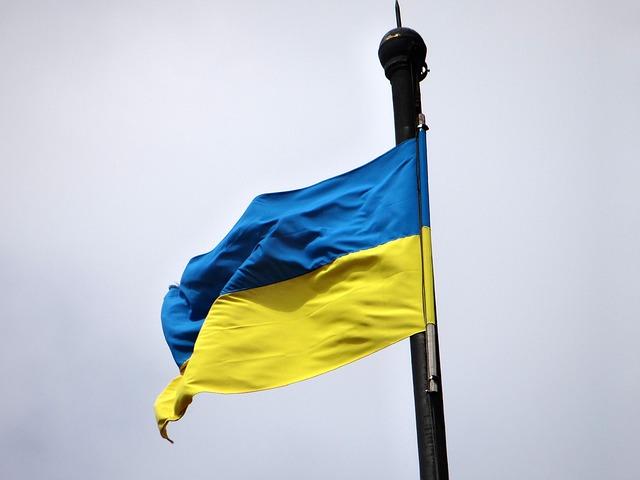
Moldova has declared a state of emergency following a Russian attack that severed a crucial power line connecting the country to Ukraine, plunging parts of the region into darkness and raising fears of wider instability. The incident comes amid escalating tensions in the ongoing Ukraine war, highlighting the conflict’s spillover effects on neighboring states. This briefing details the latest developments as Moldova grapples with the repercussions of the attack and the broader geopolitical ramifications.
Ukraine Declares State of Emergency as Russian Attack Disrupts Critical Power Supply
Ukraine has imposed a nationwide state of emergency following a targeted Russian strike that severed a critical power line, plunging numerous regions into darkness amid freezing temperatures. The disruption has severely impacted essential services, with hospitals and transport hubs reporting intermittent outages. Ukrainian officials warned that prolonged damage to the energy infrastructure could exacerbate the humanitarian crisis, especially in eastern territories already strained by ongoing conflict.
The cascading effects have not been confined within Ukraine’s borders. Moldova, heavily reliant on Ukrainian power grids, swiftly declared its own emergency as rolling blackouts began affecting key urban centers. Authorities there have mobilized emergency response teams and called for international aid to stabilize the national grid. Key impacts include:
- At least 30% reduction in power availability in Moldova’s capital, Chișinău
- Suspension of public transport services during peak hours
- Strain on medical facilities due to backup generator failures
| Region | Power Disruption Duration | Critical Facilities Affected |
|---|---|---|
| Kyiv | Up to 12 hours | Major hospitals, Metro |
| Odessa | 6-8 hours | Ports, Water treatment plants |
| Chișinău (Moldova) | Intermittent | Public transit, Hospitals |
Impact of Power Outage on Moldova’s Infrastructure and Regional Stability
The recent disruption caused by the targeted Russian strike has severely undermined Moldova’s energy infrastructure, plunging significant parts of the country into darkness. This attack has not only exposed the fragility of Moldova’s power grid but also revealed the critical dependency on cross-border energy links, particularly with Ukraine and Romania. The immediate blackout affected hospitals, government buildings, and critical communication networks, intensifying the strain on Moldova’s already limited infrastructure. Efforts to restore power have been complicated by the region’s harsh winter conditions and logistical challenges, raising concerns over essential services and civilian safety during prolonged outages.
Beyond the technical impacts, the power cut has heightened regional tensions, destabilizing a delicate balance in Eastern Europe. Moldova’s declaration of a state of emergency signals escalating regional vulnerability amidst the ongoing conflict in Ukraine. The blackout has sparked fears of broader geopolitical repercussions, including:
- Increased political instability within Moldova, especially in contested areas such as Transnistria.
- Disruption to cross-border trade and economic activities reliant on stable power supply.
- Heightened security concerns potentially inviting further external interventions.
| Aspect | Impact |
|---|---|
| Healthcare Services | Interruption of critical life-support systems |
| Communication Networks | Reduced emergency response capabilities |
| Regional Security | Elevated risk of conflict spillover |
Strategic Recommendations for Strengthening Energy Security Amid Ongoing Conflict
In light of recent disruptions to Moldova’s energy infrastructure caused by external aggression, fortifying the resilience of power grids across impacted regions is critical. Prioritizing diversification of energy sources, including accelerated investment in renewables such as solar and wind, can reduce reliance on vulnerable cross-border supply lines. Furthermore, establishing robust regional energy cooperation frameworks can enhance mutual support during crises, ensuring that countries can swiftly redistribute power and mitigate the effects of outages triggered by hostile actions.
Equally important is the modernization of grid infrastructure to incorporate advanced cybersecurity measures and real-time monitoring systems. These technological upgrades will safeguard networks against both physical attacks and cyber intrusions, which have become increasingly prevalent in geopolitical conflicts. To illustrate the key focus areas, the table below outlines strategic priorities for energy security reinforcement:
| Strategic Area | Recommended Action | Expected Outcome |
|---|---|---|
| Diversification | Expand renewable energy projects | Lower dependency on imports |
| Regional Cooperation | Create energy-sharing agreements | Increased supply flexibility |
| Infrastructure Security | Implement cybersecurity protocols | Protect grid integrity |
| Grid Modernization | Install real-time monitoring tech | Rapid outage detection and response |
Final Thoughts
As the situation continues to evolve, Moldova’s declaration of a state of emergency underscores the growing regional impact of the conflict in Ukraine. With critical infrastructure targeted and power supplies disrupted, neighboring countries face increasing challenges in maintaining stability and security. International observers remain closely monitoring developments, calling for renewed efforts to de-escalate tensions and protect civilian populations amid the ongoing hostilities.