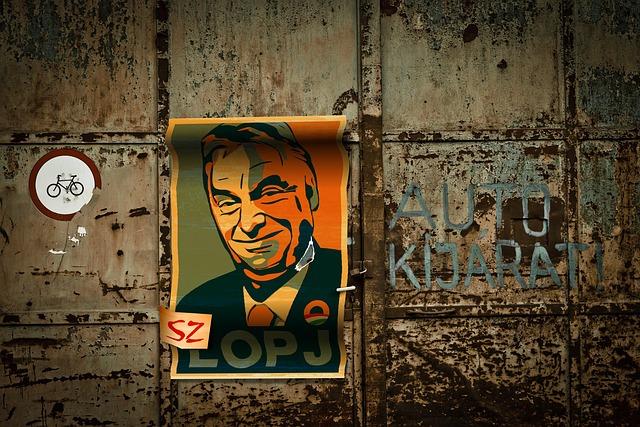
Hungary’s Viktor Orbán, once widely regarded as an unassailable political force, has seen his once-formidable dominance wane amid mounting challenges and shifting public sentiment. The leader who built his reputation on nationalist rhetoric and centralized power now faces a potent opposition coalition and growing scrutiny both domestically and internationally. This article explores the trajectory of Orbán’s rise and decline, analyzing the key factors that transformed him from an invincible incumbent into Hungary’s political underdog.
Orban’s Political Dominance Shaken by Growing Public Dissatisfaction
Once seen as an unchallengeable force in Hungarian politics, Viktor Orban’s grip on the electorate is gradually loosening. A combination of rising inflation, concerns over government transparency, and growing frustration among younger voters has eroded the steadfast support his Fidesz party once enjoyed. Public opinion polls now reflect an electorate increasingly skeptical of Orban’s long-held promises, signaling a shift in Hungary’s political landscape. This changing sentiment has been amplified by widespread protests and vocal opposition groups that have gained momentum in major urban centers.
Several factors underline this transformation, including economic pressures and diminishing trust in state institutions. Among the key issues cited by dissatisfied citizens:
- Economic hardship: Surging costs of living and stagnant wages
- Media restrictions: Concerns over press freedom and government influence
- Corruption allegations: Accusations of nepotism and misallocation of EU funds
These grievances have fueled a political environment where opposition parties, once fragmented and marginal, are beginning to rally under common platforms. The following table highlights the shifts in party support over the past three years:
| Year | Fidesz Support | Opposition Coalition | Undecided Voters |
|---|---|---|---|
| 2021 | 53% | 27% | 20% |
| 2022 | 48% | 33% | 19% |
| 2023 | 42% | 40% | 18% |
Economic Struggles and Policy Missteps Fuel Rising Opposition Momentum
Hungary’s faltering economy has become a critical pressure point for Viktor Orbán’s administration, as inflation continues to outpace wage growth and the cost of living soars. The government’s ambitious social spending programs, intended to shield voters from the worst economic effects, have largely backfired, straining public finances and eroding confidence in state management. Meanwhile, sharp increases in energy prices and housing costs have disproportionately affected the lower and middle classes, creating fertile ground for opposition parties to mobilize discontent. Public sentiment surveys reveal a stark shift: for the first time in over a decade, a majority of Hungarians express skepticism about the government’s economic stewardship.
The policy missteps going hand in hand with economic woes have galvanized a more unified opposition camp. Key factors energizing opposition momentum include:
- Perceived Corruption: Allegations involving cronyism in state contracts continue to dominate headlines, spawning voter distrust.
- Media Control Backlash: Efforts to consolidate media under pro-government outlets have fueled demands for transparency and pluralism.
- EU Relations Strain: Tense negotiations over EU funds have shaken Orbán’s narrative of sovereign strength.
| Economic Indicator | 2022 | 2023 (Estimate) | Change |
|---|---|---|---|
| Inflation Rate | 9.8% | 11.4% | ▲ 1.6% |
| Unemployment Rate | 3.7% | 4.2% | ▲ 0.5% |
| Real Wage Growth | 2.1% | 0.5% | ▼ 1.6% |
Strategies for Orban to Rebuild Support Amid Shifting Hungarian Political Landscape
Facing a rapidly evolving political environment, Viktor Orbán’s path to reclaiming his once unassailable position demands a multifaceted approach. Central to this effort is reconnecting with disenfranchised voters who have drifted away due to economic strains and growing concerns about governance. Orbán’s strategy emphasizes revitalizing grassroots campaigns, focusing on local issues such as job creation, rural development, and improving healthcare access. By leveraging his party’s deep organizational networks, he seeks to reestablish trust through tangible community projects and targeted messaging that resonates beyond Budapest’s urban elite.
Moreover, adapting to the broader European political dynamics is key. Orbán’s team aims to balance nationalist rhetoric with pragmatic foreign policy initiatives, hoping to ease friction with the EU while maintaining core conservative values. The following table outlines key pillars of the proposed strategy:
| Strategic Pillar | Focus Area | Expected Outcome |
|---|---|---|
| Grassroots Mobilization | Local economies and healthcare | Rebuild voter loyalty |
| Policy Realignment | Economic reforms, EU relations | Broader appeal, international leverage |
| Communication Strategy | Targeted digital and traditional media | Counter opposition narratives |
- Emphasize transparency in decision-making to counteract corruption accusations.
- Engage youth voters through social media and education initiatives.
- Highlight economic stability and national sovereignty as rallying themes.
Future Outlook
As Viktor Orban faces mounting challenges to his previously unassailable grip on power, Hungary stands at a pivotal crossroads. Once hailed as invincible, the prime minister’s political dominance has been tested by shifting public sentiment, opposition unity, and growing international scrutiny. How this evolving dynamic will reshape Hungary’s future remains closely watched both at home and abroad, signaling a potentially transformative chapter in the nation’s political landscape.