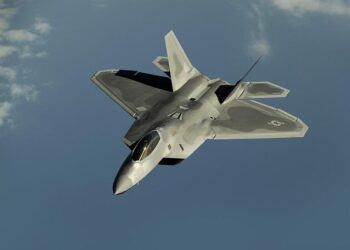
Serbian President Aleksandar Vučić has announced a landmark agreement between Serbia and Israel to establish joint production of drones, signaling a strategic deepening of defense cooperation between the two nations. The collaboration aims to enhance Serbia’s military capabilities while positioning both countries as key players in the rapidly expanding unmanned aerial vehicle (UAV) market. This development comes amid growing regional security concerns and reflects a broader trend of technological partnership in the defense sector.
Serbian President Unveils Strategic Partnership with Israel for Advanced Drone Manufacturing
In a significant move to bolster defense and technological innovation, Serbia and Israel have formalized a strategic partnership centered on advanced drone manufacturing. This collaboration aims to leverage Israel’s renowned expertise in unmanned aerial systems alongside Serbia’s expanding industrial capabilities. Jointly, the countries plan to develop next-generation drones tailored for both military and civilian applications, enhancing regional security frameworks and opening new avenues in aerospace technology.
The partnership highlights several key focus areas that promise to drive growth and innovation:
- Research and Development: Co-funded projects targeting AI integration and extended flight endurance.
- Production Facilities: Establishment of a state-of-the-art manufacturing hub in Serbia, designed to export drones globally.
- Training and Knowledge Exchange: Expert teams from both nations will engage in workshops and operational training programs.
- Commercialization: Plans to enter competitive international markets with customizable drone platforms.
| Key Aspect | Serbia’s Role | Israel’s Contribution |
|---|---|---|
| Manufacturing | Facility hosting & assembly | Prototype design & testing |
| Technology | Systems integration | Advanced AI & sensor tech |
| Market Reach | European and Balkan markets | Global sales and partnerships |
Collaboration Expected to Boost Regional Security and Economic Growth
The new partnership between Serbia and Israel marks a significant milestone in regional defense cooperation. By pooling expertise in drone technology, both nations expect to enhance their surveillance capabilities and strengthen their border security. Analysts suggest this collaboration could serve as a deterrent against regional threats, fostering a safer environment for neighboring countries. Furthermore, joint ventures like this promote knowledge exchange, potentially leading to breakthroughs in unmanned aerial systems and military innovation.
Beyond security, the project is set to stimulate economic growth through enhanced manufacturing and export opportunities. The production facility is projected to create numerous high-skilled jobs and attract foreign investment, reinforcing Serbia’s position as a technology hub in Southeastern Europe. Key benefits anticipated from this collaboration include:
- Technology transfer accelerating local expertise development
- Expansion of defense exports to wider markets
- Boost to related industries such as electronics and software
- Enhanced bilateral relations with potential for future ventures
| Aspect | Expected Impact |
|---|---|
| Job Creation | 500+ direct and indirect jobs |
| Export Value | $150 million annually |
| Technology Upgrade | Cutting-edge AI integration |
| Regional Influence | Strengthened strategic partnerships |
Experts Urge Transparent Regulatory Frameworks to Maximize Technology Transfer Benefits
Industry leaders and policy experts emphasize the necessity of clear, transparent regulatory frameworks to ensure the seamless transfer of technology between nations. As Serbia embarks on its new drone manufacturing venture with Israel, specialists warn that without well-defined legal parameters, the full potential of such collaborations could be hindered by bureaucratic delays, intellectual property disputes, or security concerns. Establishing open communication channels and consistent standards is paramount to fostering innovation and safeguarding mutual interests.
Key elements identified by experts to optimize technology transfer include:
- Clear Intellectual Property Rights protection to encourage investment and innovation.
- Streamlined Approval Processes to reduce red tape and accelerate project implementation.
- Joint Oversight Committees to monitor compliance and address arising challenges.
- Security Protocols ensuring sensitive technologies are safeguarded without stifling progress.
| Focus Area | Benefit |
|---|---|
| Regulatory Clarity | Reduces uncertainty, encouraging investment |
| IP Rights Enforcement | Protects innovation and fosters trust |
| Compliance Monitoring | Ensures adherence to agreed standards |
| Security Measures | Balances openness with national security |
Insights and Conclusions
The announced collaboration between Serbia and Israel marks a significant development in the defense and technology sectors of both nations. As the joint drone production project moves forward, it is poised to influence regional security dynamics and strengthen bilateral ties. Further details on production timelines and deployment strategies are expected in the coming months, underscoring the growing importance of international partnerships in advancing military capabilities.