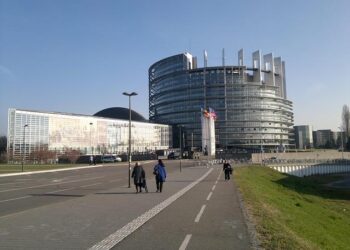
The European Parliament has adopted a resolution addressing the issue of so-called “political prisoners” in Georgia, highlighting concerns over judicial independence and human rights in the country. The resolution calls for targeted sanctions against individuals deemed responsible for political persecution, signaling increased European scrutiny of Georgia’s domestic affairs. This move reflects growing tensions between Tbilisi and the European Union amid ongoing debates about rule of law and democratic standards in the strategically important nation.
EU Parliament Condemns Political Imprisonment in Georgia and Urges Immediate Reforms
The European Parliament has taken a decisive stand against the systemic issue of political imprisonment in Georgia, signaling deep concern over recent developments in the country’s legal and political landscape. By adopting a comprehensive resolution, the Parliament has not only condemned the continued detention of individuals deemed “political prisoners” but has also stressed the urgent need for comprehensive reforms within Georgia’s justice system. The resolution emphasizes the erosion of judicial independence and calls for immediate steps to ensure fair trials, transparency, and respect for human rights.
In addition to urging legislative and institutional reforms, the Parliament outlined targeted measures aimed at holding accountable those responsible for the abuse of power. These include:
- Implementation of targeted sanctions against individuals involved in political persecution
- Enhancement of international monitoring of Georgia’s legal proceedings
- Support for civil society organizations advocating for political prisoners
Outlined below is a snapshot of the Parliament’s key demands and expected outcomes:
| Key Focus | Expected Impact |
|---|---|
| Judicial Reforms | Increased fairness and independence in trials |
| Targeted Sanctions | Deter political manipulation and human rights abuses |
| International Oversight | Greater accountability and transparency |
Detailed Analysis of Resolution Highlights Human Rights Violations and Judicial Irregularities
The resolution meticulously documents a series of alarming human rights violations within Georgia’s judicial system, emphasizing the need for urgent reforms. Key points include reports of arbitrary detentions, lack of fair trial guarantees, and allegations of politically motivated imprisonment. The document underscores instances where due process has been compromised, highlighting the systemic nature of judicial irregularities that undermine the principles of justice and the rule of law.
Among the most critical findings are:
- Use of administrative detention as a tool for political repression
- Interference in judicial independence, resulting in biased verdicts
- Denial of access to adequate legal representation for detainees
- Cases of prolonged pre-trial detention without sufficient evidence
| Violation Type | Reported Incidents | Impact on Prisoners |
|---|---|---|
| Arbitrary Detention | 27 documented cases | Restricted freedom, psychological distress |
| Judicial Bias | 15 cases linked to political motives | Unfair sentencing, loss of trust |
| Legal Representation Denied | 10 cases | Impeded defense rights |
| Prolonged Pre-Trial Detention | 22 instances | Extended uncertainty, rights violation |
The resolution calls on Georgian authorities to take immediate corrective actions to restore the integrity of the judiciary and to ensure that political prisoners are recognized and treated in alignment with international legal standards. It also advocates for the European Union to impose targeted sanctions on individuals responsible for perpetuating these abuses, underscoring a firm stance against impunity and a commitment to safeguarding human rights across the region.
Calls for Targeted Sanctions Against Georgian Officials Linked to Political Oppression
The European Parliament has intensified calls for targeted sanctions against Georgian officials implicated in acts of political oppression, marking a significant step in holding accountable those undermining democratic norms. Lawmakers emphasized the necessity for precise measures that directly impact individuals responsible for the detention and harassment of political figures, rather than broad-based punitive actions that could harm the general population. The resolution specifically highlights continued concerns over the treatment of opposition members and the erosion of judicial independence in Georgia.
Key demands outlined in the resolution include:
- Asset freezes and travel bans on officials linked to political imprisonment
- Implementation of strict monitoring mechanisms to track human rights violations
- Enhanced support for civil society organizations advocating for justice and transparency
Below is a summary of proposed measures targeting the identified officials:
| Measure | Purpose | Expected Impact |
|---|---|---|
| Asset Freeze | Restrict financial transactions | Prevent misuse of funds for political repression |
| Travel Ban | Limit international mobility | Reduce diplomatic immunity and accountability gaps |
| Human Rights Monitoring | Track violations and ensure transparency | Promote adherence to democratic standards |
Wrapping Up
The European Parliament’s adoption of the resolution on political prisoners in Georgia marks a significant stance by the EU in addressing ongoing human rights concerns within the country. By calling for targeted sanctions, the Parliament aims to hold accountable those responsible for political repression and to support democratic principles in Georgia. As tensions remain high, the resolution underscores Europe’s commitment to promoting justice and the rule of law in its neighborhood, while signaling a potential shift in diplomatic relations moving forward.