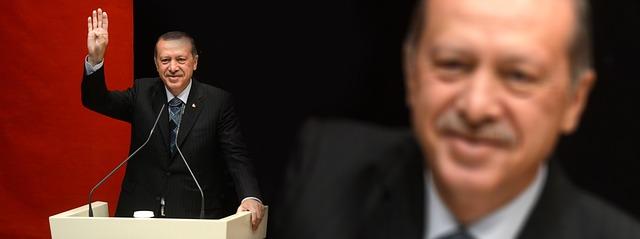
In a recent address, Turkish President Recep Tayyip Erdoğan acknowledged the hardships endured by Armenians during the period of World War I, marking a notable moment in the long-standing dialogue surrounding the historical events of that era. Speaking before a domestic audience, Erdoğan referenced the suffering of Armenian populations amid the broader context of wartime turmoil. This statement, reported by Eurasia Review, adds a complex layer to Turkey’s official narrative and comes amid ongoing regional sensitivities and debates over historical interpretation and reconciliation efforts.
Turkey’s Erdogan Acknowledges Armenian Suffering During World War I
In a notable shift in rhetoric, Turkish President Recep Tayyip Erdoğan publicly acknowledged the profound suffering endured by Armenians during the turmoil of World War I. While stopping short of labeling the events as genocide, Erdoğan’s remarks signal a nuanced recognition of the deep hardships faced by the Armenian community amid the broader historical context of the war. This development comes amid ongoing regional tensions and international calls for reconciliation, highlighting the intricate balance Turkey aims to maintain in its diplomatic posture.
Erdoğan emphasized the complexity of the wartime period, noting the widespread suffering experienced by multiple populations caught in the conflict. He urged for a more empathetic and historically informed dialogue, suggesting that understanding the multifaceted tragedies of the era is essential for future peace and cooperation. Below is a summary of key points from Erdoğan’s statement:
- Acknowledgement of Armenian hardship without formal apology or genocide recognition
- Recognition of losses affecting multiple communities during World War I
- Call for historical empathy as a foundation for dialogue
- Emphasis on moving forward through regional cooperation
| Aspect | Details |
|---|---|
| Historical Period | World War I (1914-1918) |
| Focus | Armenian suffering and regional losses |
| Official Position | Recognition of hardships; no genocide label |
| Diplomatic Intent | Encourage historical dialogue and regional peace |
Historical Context and Political Implications of Erdogan’s Remarks
President Recep Tayyip Erdogan’s recent remarks on the “hardships” faced by Armenians during World War I come at a sensitive historical juncture, reflecting Turkey’s complex relationship with its Ottoman past. While stopping short of acknowledging the events as genocide, Erdogan’s narrative acknowledges Armenian suffering in a way that diverges from Turkey’s traditional denialist stance. This nuanced articulation is set against a backdrop of ongoing geopolitical tensions in the South Caucasus, particularly following renewed conflicts involving Armenia and Azerbaijan. For Ankara, the statements appear designed to balance domestic nationalist sentiments with diplomatic overtures aimed at easing regional hostilities.
The political implications of these remarks extend beyond mere historical debate. Erdogan’s positioning reveals a strategic approach that blends acknowledgment of historical suffering with a firm defense of Turkey’s national narrative. Key elements include:
- Preserving National Sovereignty: Ensuring that any discussion of history does not translate into legal or financial claims against Turkey.
- Regional Diplomacy: Attempting to mitigate Armenian grievances amid evolving alliances and conflicts in Eurasia.
- Domestic Politics: Reinforcing Erdogan’s image as a strong leader who addresses historical issues without compromising Turkey’s interests.
| Aspect | Erdogan’s Approach | Political Outcome | |||||||||||||
|---|---|---|---|---|---|---|---|---|---|---|---|---|---|---|---|
| Historical Narrative | Acknowledgment of hardships, rejection of genocide term | Maintains legal status quo, reduces diplomatic isolation | |||||||||||||
| Experts Recommend Dialogue and Reconciliation Efforts to Address Centuries-Old Tensions Leading analysts and diplomats emphasize the importance of fostering meaningful conversations between Turkey and Armenia to overcome the deep-rooted hostilities that have persisted for over a century. While political leaders have recently acknowledged the immense suffering during World War I, experts assert that progress depends on building trust through sustained dialogue initiatives that engage civil society, historians, and governmental representatives alike. These efforts aim to create a foundation for mutual understanding and pave the way for lasting peace in the region. Key recommendations from experts include:
To Wrap It UpAs tensions continue to simmer in the region, Turkish President Recep Tayyip Erdogan’s remarks on the “WWI hardships” faced by Armenians add a complex layer to ongoing historical and diplomatic discussions. Observers note that such statements may influence future dialogue between Turkey and Armenia, as well as broader international perspectives on their shared history. The evolving narrative underscores the enduring sensitivity of World War I legacies in Eurasian geopolitics. ADVERTISEMENT  Related Posts |