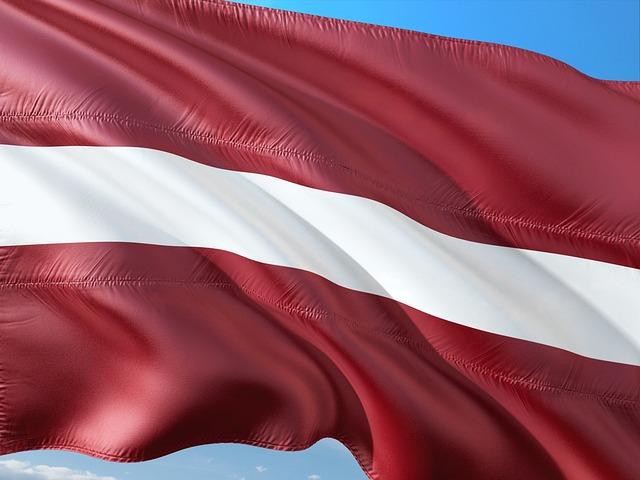
Latvia has announced an entry ban on several Russian officials connected to the controversial Venice Biennale project, escalating tensions amid ongoing geopolitical disputes. The move, reported by the Odessa Journal, targets individuals involved in the Russian pavilion at the prestigious international art exhibition. This development underscores the growing intersection of culture and politics as Baltic states continue to respond firmly to Russia’s actions on the global stage.
Latvia Implements Entry Ban on Russian Officials Linked to Venice Biennale Project
In a decisive move reflecting its stance on geopolitical tensions, Latvia has enacted an entry prohibition targeting select Russian officials involved in the country’s participation in the Venice Biennale art exhibition. This action underscores Latvia’s commitment to aligning cultural collaborations with prevailing diplomatic considerations. Authorities have cited concerns over the roles these officials played in coordinating aspects of the project, which Latvian officials claim could potentially be leveraged for propaganda or political agendas contrary to Latvian and EU interests.
The Latvian Ministry of Foreign Affairs released a statement emphasizing the need to safeguard national and regional security when engaging with international cultural events. The list of barred individuals includes those holding senior governmental, cultural, and organizational positions tied to the Venice Biennale endeavor. Below is a brief overview of the ban’s focus:
- Target Group: Russian officials directly linked to Venice Biennale project coordination
- Restriction Type: Entry ban into Latvian territory
- Rationale: Prevent use of cultural platforms for political influence
- Duration: Indefinite, pending further diplomatic review
Impact on Cultural Collaboration Between Latvia and Russia
The recent Latvian government decision to impose an entry ban on Russian officials linked to the Venice Biennale project marks a significant turning point in the cultural interactions between the two nations. Historically, collaborative art initiatives have served as crucial bridges for dialogue and mutual understanding. However, this new barrier introduces a layer of political tension that threatens to hinder future joint ventures, artist exchanges, and shared exhibitions. Cultural stakeholders in both countries are now facing increased uncertainty regarding the continuity of partnerships that had, until recently, thrived on creative freedom and diplomatic neutrality.
Key ramifications include:
- Disruptions in cross-border art projects and exhibitions planned for 2024-2025
- Decreased opportunities for emerging Latvian and Russian artists to showcase their work internationally
- Potential decline in cultural tourism linked to collaborative events
| Aspect | Pre-Ban Status | Post-Ban Outlook | ||||||||||||||||||||||||
|---|---|---|---|---|---|---|---|---|---|---|---|---|---|---|---|---|---|---|---|---|---|---|---|---|---|---|
| Artist Mobility | Fluid, with frequent exchanges | Restricted, subject to political clearance | ||||||||||||||||||||||||
| Event Collaboration | Regular bilateral projects | Postponed or canceled | ||||||||||||||||||||||||
| Cultural Diplomacy | Active engagement & dialogue |
If you need any assistance in expanding this analysis or formatting it further, feel free to ask! Recommendations for Strengthening Cultural Diplomacy Amid Political TensionsIn times of heightened political friction, fostering resilient cultural diplomacy requires a strategic blend of openness and caution. Key measures include enhancing people-to-people exchanges through digital platforms and grassroots initiatives that bypass state-controlled channels. Encouraging independent artists and cultural institutions to engage internationally helps sustain dialogue without endorsing contentious political agendas. Furthermore, establishing neutral cultural forums can provide safe spaces for constructive conversations, countering efforts to politicize shared heritage.
In ConclusionAs Latvia moves to bar Russian officials linked to the Venice Biennale project, the measure underscores the ongoing geopolitical tensions influencing cultural and diplomatic exchanges. This entry ban reflects Latvia’s firm stance against Russian actions, signaling broader implications for international collaborations in the arts amid evolving regional conflicts. Further developments are expected as the situation unfolds. ADVERTISEMENT  Related Posts |