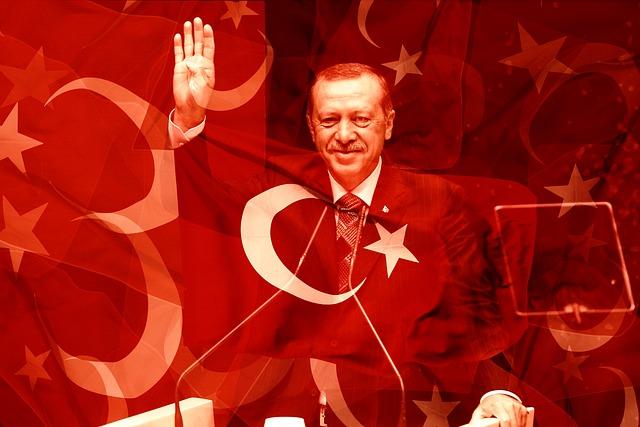
Turkish President Recep Tayyip Erdoğan has dismissed recent criticisms directed at Ankara’s peace initiatives with Kurdish militants, reaffirming Turkiye’s commitment to resolving longstanding conflicts through dialogue. Speaking amid ongoing tensions and international scrutiny, Erdoğan emphasized the government’s determination to pursue stability and unity in the region, countering allegations that peace efforts have been insincere or ineffective. This stance marks a critical moment in Turkiye’s approach to addressing Kurdish issues, as the nation balances domestic security concerns with calls for reconciliation.
Erdogan Defends Turkiye’s Approach Amid Renewed Criticism of Kurdish Peace Initiatives
President Recep Tayyip Erdogan has firmly dismissed recent accusations regarding Turkiye’s stance on peace with Kurdish groups, emphasizing the government’s commitment to national unity and security. He highlighted that the administration’s strategic approach remains focused on dialogue combined with robust counter-terrorism efforts. Erdogan underscored that any claims portraying Turkiye as reluctant to pursue peaceful resolutions are misguided and fail to consider the complexities involved in addressing longstanding regional tensions.
During his address, Erdogan reaffirmed key pillars of Turkiye’s policy towards peace initiatives, which include:
- Inclusive dialogue: Engaging diverse Kurdish representatives willing to renounce violence.
- Security emphasis: Maintaining strong defense measures against militant threats.
- Socio-economic development: Promoting growth in southeastern provinces to address root causes of conflict.
- International cooperation: Collaborating with allies to ensure regional stability.
| Policy Element | Objective | Status | ||||||||||||||||||||
|---|---|---|---|---|---|---|---|---|---|---|---|---|---|---|---|---|---|---|---|---|---|---|
| Dialogue Initiatives | Engage peaceful Kurdish factions | Ongoing | ||||||||||||||||||||
| Security Operations | Combat militant activities | Active | ||||||||||||||||||||
| Analyzing the Political Impact of Turkiye’s Dialogue with Kurdish Militants on Regional Stability Turkiye’s ongoing dialogues with Kurdish militants mark a significant pivot in Ankara’s long-standing approach to the Kurdish issue, stirring both optimism and skepticism across the region. President Erdogan’s firm rejection of criticism underscores a strategic commitment to peace negotiations, which many see as essential for reducing decades of conflict and fostering stability within Turkiye’s southeastern provinces. The initiative aims not only to quell violence but also to create a political framework that acknowledges Kurdish cultural and political rights, potentially setting a precedent for conflict resolution within ethnically diverse states. However, regional stability hinges on multiple volatile factors, including the reactions of neighboring countries and non-state actors. Erdogan’s peace efforts face criticism from domestic opposition and allied governments concerned about the empowerment of Kurdish groups. The political impact can be visualized through the following dynamics:
Experts Urge Transparent Communication and Inclusive Policies to Strengthen Peace ProspectsLeading analysts and regional experts emphasize the vital role of transparent dialogue and the integration of diverse voices in crafting a sustainable peace framework. They argue that overcoming the longstanding conflict demands openness from all parties involved, including government authorities, Kurdish representatives, and civil society. Transparency not only fosters mutual trust but also reduces the risk of misinformation and sabotage by extremist elements. Experts insist that without inclusive policy-making-where the grievances and aspirations of Kurdish communities are genuinely addressed-the cycle of unrest will likely persist. To illustrate the key components considered essential for advancing peace, specialists have outlined a set of recommended approaches:
Future OutlookAs tensions persist in the region, President Erdogan’s firm rejection of criticism underscores Turkiye’s commitment to its approach toward Kurdish militants. The ongoing debate highlights the complexities of achieving lasting peace amid longstanding grievances and security concerns. Observers will be closely watching how these developments influence both domestic politics and regional stability in the coming months. ADVERTISEMENT  Related Posts |