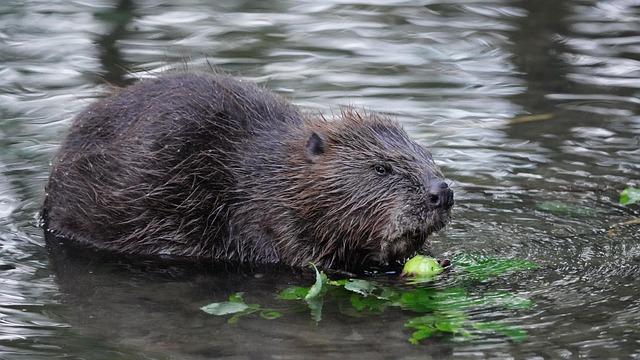
In a disturbing incident that has captured the attention of both local authorities and residents alike, a beaver in New Jersey has been confirmed to have rabies after reportedly attacking individuals in the area. The alarming situation intensified when the animal bit an 8-year-old boy, prompting health officials to issue warnings and recommendations for preventing further encounters. As rabies poses a significant public health risk, local officials are investigating the circumstances surrounding the attacks and working to ensure the safety of the community. This story serves as a stark reminder of the importance of awareness and precaution when it comes to wildlife interactions in suburban areas.
Beaver Attack in New Jersey Raises Concerns Over Rabies Risk
The recent incident involving a beaver attack in New Jersey has left local communities on high alert. An 8-year-old child was bitten by the animal while playing near a body of water, leading to significant concerns about the potential spread of rabies in the area. Reports indicate that the beaver exhibited unusual behavior, prompting wildlife officials to investigate further. Laboratory tests have confirmed that the animal was indeed rabid, which raises serious questions about the risks posed to residents and pets in the vicinity.
Health authorities are urging the public to take precautionary measures in order to mitigate the risk of rabies transmission. It is essential for residents to remain vigilant and report any sightings of wild animals acting erratically. Key recommendations include:
- Avoid approaching wild animals: Keep a safe distance, especially from those exhibiting unusual behavior.
- Vaccinate pets: Ensure that pets are up to date on their rabies vaccinations to protect them in case of an encounter.
- Educate yourself and your children: Teach family members the importance of not feeding or playing with wild animals.
This alarming event has prompted local health departments to coordinate with wildlife agencies to monitor the beaver population and ensure public safety. Residents are encouraged to stay informed about the situation as authorities conduct further assessments of the impacted areas.
Impact of Wildlife Encounters on Community Safety and Health
The recent incident involving a beaver that attacked an 8-year-old child in New Jersey has raised significant concerns regarding the safety and health implications of wildlife encounters within communities. Such attacks, while rare, can lead to severe emotional and psychological distress for victims and their families. Moreover, they highlight the often-overlooked risks posed by wildlife in urban and suburban settings, where human-wildlife interactions are becoming increasingly frequent. The confirmation of rabies in the beaver emphasizes the importance of public health awareness and preparedness for both residents and local authorities.
To mitigate the risks associated with wildlife encounters, communities can adopt several strategies:
- Education and Awareness: Inform residents about local wildlife behavior, signs of rabies, and safe practices when encountering wildlife.
- Wildlife Control Measures: Implement measures to manage wildlife populations and minimize human encounters, such as habitat modifications.
- Emergency Response Plans: Establish protocols for reporting wildlife attacks and rabies exposure to ensure swift medical attention.
| Wildlife Encounter Risks | Prevention Measures |
|---|---|
| Rabies Transmission | Vaccination of pets, rabies awareness campaigns |
| Injury from Encounters | Avoiding direct interaction, community education |
| Property Damage | Proper waste disposal, habitat management |
Preventative Measures to Mitigate Human-Wildlife Interactions
To effectively reduce the likelihood of negative encounters between humans and wildlife, several strategies can be employed by communities. These measures focus on education, habitat management, and public awareness to ensure both human safety and wildlife conservation. Responsible actions include:
- Public Education Programs: Initiating community workshops and outreach initiatives to inform the public about local wildlife behavior and the risks associated with approaching or feeding animals.
- Secure Waste Management: Encouraging proper disposal of waste and food scraps to minimize attractants that may draw wildlife into populated areas.
- Wildlife Corridors: Implementing natural barriers and designated pathways to allow wildlife safe passage through urban areas, reducing potential conflicts.
Additionally, fostering a culture of respect towards wildlife can enhance safety for both residents and animals. Community cooperation plays a crucial role in achieving harmony. Key considerations may include:
- Reporting Sightings: Establishing a hotline or app for residents to report wildlife sightings, enabling agencies to monitor animal behavior and trends.
- Rabies Vaccination: Promoting vaccination for pets and awareness about rabies in local wildlife populations to minimize health risks.
- Encouraging Natural Predators: Supporting the presence of natural predatory species that may help control populations of animals like beavers, which can be problematic in urban settings.
Concluding Remarks
In conclusion, the alarming incident involving the beaver attack in New Jersey serves as a stark reminder of the potential dangers posed by wildlife interactions. With the confirmation that the animal tested positive for rabies, health officials are emphasizing the importance of vigilance and awareness when it comes to wild animals. The local community is urged to report any unusual animal behavior to the appropriate authorities and to seek medical attention if bitten or exposed. As officials investigate the circumstances surrounding this attack, the focus remains on ensuring the safety of residents and preventing future occurrences. This incident underscores the critical need for public education on rabies and wildlife safety. For updates and further information, keep following our coverage.