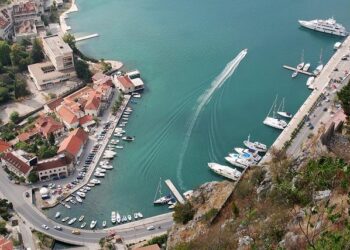
Montenegro is intensifying efforts to enhance its institutional and administrative capacities as it approaches the final phase of negotiations for European Union membership, according to the latest update from the European External Action Service (EEAS). The Western Balkan country has been steadily advancing through the complex accession talks, and recent developments signal a renewed commitment to meet the EU’s stringent criteria. This strategic push aims to address remaining challenges, streamline reforms, and consolidate gains in areas such as rule of law, governance, and economic alignment, bringing Montenegro closer to full integration with the European bloc.
Montenegro Accelerates Institutional Reforms to Meet EU Accession Criteria
Montenegro is making significant strides in enhancing its institutional landscape to align more closely with EU standards. Key public sector reforms are being intensified, focusing on justice system independence, anti-corruption measures, and administrative capacity building. The country has implemented new legislative frameworks and digital tools aimed at increasing transparency and accountability. These efforts reflect Montenegro’s strong commitment to fulfilling the requirements set out by the European Commission, demonstrating readiness to enter the final negotiation phase with greater confidence.
Among the critical reforms, particular emphasis is placed on:
- Judicial independence: Strengthening legal frameworks to ensure impartiality and efficiency in courts.
- Anti-corruption policies: Enhancing oversight mechanisms and harshening penalties for corrupt practices.
- Administrative reforms: Upgrading civil service professionalism and improving public service delivery through digitalization.
| Reform Area | Status | Target Completion |
|---|---|---|
| Judicial Reform | Advanced | Q4 2024 |
| Anti-corruption Framework | Ongoing | Q2 2025 |
| Digital Public Services | In Progress | Q3 2024 |
Focus on Rule of Law and Anti-Corruption Measures Intensifies Ahead of Final Negotiations
Montenegro has escalated efforts to bolster its judicial framework and tackle corruption as it approaches the critical final negotiations with the European Union. Recognizing that the integrity of its legal system is pivotal for EU accession, authorities have implemented a series of reforms targeting transparency and accountability within public institutions. Key measures include enhancing the independence of the judiciary, improving case management systems, and intensifying anti-corruption campaigns aimed at both public officials and private entities.
Recent initiatives highlight:
- Strengthened oversight mechanisms for anti-corruption bodies
- Introduction of rigorous asset declaration protocols
- Capacity-building programs for judicial staff and law enforcement
- Public awareness campaigns stressing the importance of rule of law
| Aspect | Status | Impact |
|---|---|---|
| Judicial Independence | Improved processes and protections | Greater impartiality in rulings |
| Anti-Corruption Units | Expanded mandate and resources | Increased prosecutions of high-profile cases |
| Transparency Initiatives | New asset declaration laws | Reduced conflicts of interest |
European External Action Service Urges Enhanced Regional Cooperation and Transparency
The European External Action Service (EEAS) has emphasized the crucial role of regional cooperation and transparency in supporting Montenegro as it approaches the final stage of its EU accession negotiations. Highlighting the interconnected nature of the Western Balkans, the EEAS advocates for a collaborative approach that not only accelerates integration efforts but also bolsters trust among neighboring countries. This strategy includes the sharing of best practices, joint infrastructure projects, and coordinated policies to ensure alignment with EU standards.
Transparency remains a key priority, with the EEAS urging Montenegro to increase public access to negotiation milestones and decision-making processes. Enhanced openness is expected to promote civic engagement and reduce misinformation across the region. The EEAS also proposed a framework consisting of:
- Regular regional forums for dialogue and progress review
- Clear communication channels between governments and civil society
- Standardized reporting mechanisms on negotiation developments
This comprehensive approach aims to create a more inclusive and accountable environment conducive to Montenegro’s successful EU accession.
Future Outlook
As Montenegro approaches the final phase of its European Union accession negotiations, the recent efforts to bolster institutional capacities underscore the country’s commitment to meeting EU standards. Strengthening governance, legislative alignment, and administrative efficiency will be crucial in navigating the complex requirements ahead. The EU Delegation and member states continue to emphasize support for Montenegro’s reform process, highlighting the broader significance of its integration for regional stability and cooperation. With these developments, Montenegro is positioning itself closer than ever to joining the European Union, marking a pivotal moment in its Euro-Atlantic trajectory.