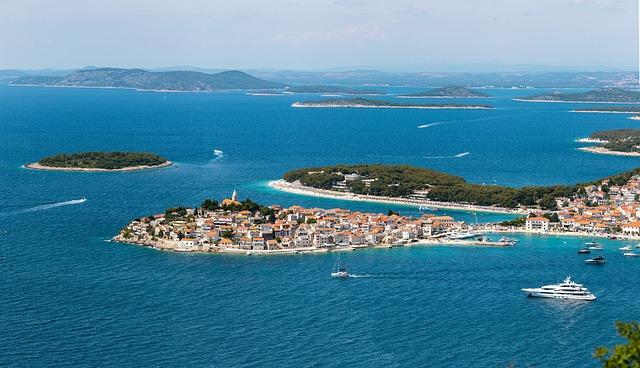
Croatia’s seaports experienced a notable increase in passenger traffic and cargo throughput during the first quarter of the year, according to recent data reported by SeeNews. The surge reflects a rebound in maritime activity driven by rising tourism and robust trade flows, highlighting the sector’s vital role in the country’s economy. This upward trend positions Croatia’s ports as key hubs in the Mediterranean, signaling positive momentum for the nation’s transport and logistics industries.
Croatia’s Seaport Passenger Traffic Shows Robust Growth in First Quarter
Croatia’s seaports recorded a significant uplift in passenger traffic during the first quarter of the year, signalling a strong start for the maritime sector. Major ports experienced increased activity thanks to a surge in both domestic and international travelers. Key contributors to this growth include enhanced ferry schedules, expanded cruise ship calls, and improved port infrastructure. The cumulative number of passengers surpassed last year’s figures by nearly 18%, with coastal hubs like Split and Dubrovnik leading the gains.
On the cargo front, port authorities also reported notable increments, reflecting a recovering economy and robust trade flows. The first quarter saw:
- Container throughput up by 12%, driven primarily by imports of consumer goods and exports of Croatian agricultural products.
- Bulk cargo volumes rising 9%, supported by increased shipments of raw materials.
- Roro cargo showing steady growth, facilitating efficient movement of vehicles and machinery.
| Port | Passenger Growth (%) | Cargo Growth (%) |
|---|---|---|
| Split | 22 | 15 |
| Dubrovnik | 19 | 10 |
| Zadar | 14 | 8 |
Cargo Throughput Expansion Signals Strengthening Trade Activity
The first quarter of the year has marked a notable upswing in cargo volumes at Croatia’s key seaports, underscoring a revitalized momentum in trade flows across the Adriatic. Shipping operators and port authorities report increased handling of both containerized goods and bulk commodities, reflecting broader economic recovery trends in the region. This surge has not only enhanced port efficiency but also reinforced the strategic importance of Croatian maritime gateways as vital nodes in Mediterranean trade corridors.
Key factors contributing to this growth include:
- Expanded logistics capacity and improved infrastructure investments
- Robust demand from European and international markets
- Favorable regulatory adjustments facilitating smoother customs operations
- Strengthened partnerships with global shipping alliances
| Port | Cargo Throughput Q1 2023 | Cargo Throughput Q1 2024 | % Increase |
|---|---|---|---|
| Rijeka | 850,000 tons | 1,020,000 tons | 20% |
| Zadar | 430,000 tons | 480,000 tons | 12% |
| Split | 290,000 tons | 335,000 tons | 15.5% |
Recommendations for Enhancing Infrastructure to Sustain Seaport Momentum
To maintain the impressive surge in both passenger and cargo throughput, Croatian seaports must prioritize targeted infrastructure upgrades. Investing in modernized terminal facilities equipped with advanced cargo handling technologies can significantly reduce turnaround time and improve operational efficiency. Enhancing connectivity to hinterland transport networks, including rail and road links, is equally critical to ensure seamless freight movement and avoid bottlenecks. Moreover, integrating digital platforms for real-time tracking and port management will streamline processes and attract increased commercial traffic.
Key strategic initiatives should also focus on:
- Expanding berth capacity to accommodate larger vessels and mitigate congestion.
- Improving passenger amenities and terminal accessibility to support rising tourism numbers.
- Implementing sustainable practices such as green energy systems and waste management.
- Strengthening security protocols to enhance safety and compliance with international standards.
| Infrastructure Element | Current Capacity | Target Upgrade | Expected Impact |
|---|---|---|---|
| Berth Length (meters) | 700 | 1000 | Accommodate larger vessels |
| Container Handling Rate (TEU/hour) | 30 | 50 | Faster cargo turnaround |
| Passenger Terminal Capacity | 15,000/day | 25,000/day | Support peak tourism seasons |
| Rail Connectivity (km) | 120 | 180 | Better hinterland access |
Closing Remarks
As Croatia’s seaports continue to experience growth in both passenger numbers and cargo traffic in the first quarter, the positive trend highlights the country’s rising significance in regional maritime trade and tourism. Industry stakeholders remain optimistic that sustained investment and expanding infrastructure will further bolster this upward trajectory throughout the year, reinforcing Croatia’s position as a key Adriatic hub.