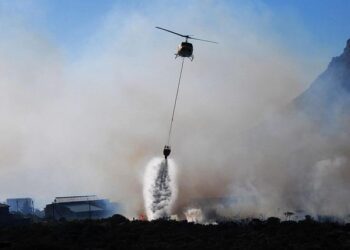
As Greece experiences a surge in adventure tourism, questions are emerging about the readiness of its emergency services to keep pace with the increasing demands. With activities ranging from mountain climbing to sea kayaking attracting thrill-seekers from around the world, the pressure on rescue teams and medical responders has never been greater. This article examines whether Greece’s emergency infrastructure has evolved swiftly and effectively enough to ensure the safety of visitors drawn to the country’s rugged landscapes and remote destinations.
Greece’s Emergency Response Capacity Under Pressure From Adventure Tourism Surge
Greece’s emergency services are facing unprecedented demands as the country experiences a dramatic increase in adventure tourism. Activities such as hiking, rock climbing, paragliding, and scuba diving have drawn thrill-seekers from around the globe, but the rapid influx has exposed critical gaps in response capabilities. Local authorities admit that while infrastructure improvements have been ongoing, resources remain stretched thin-particularly in remote areas where communication networks and access routes are limited. Emergency teams are frequently tasked with longer rescue times and complicated logistical challenges, prompting urgent calls for enhanced coordination and better-equipped units.
Key challenges facing emergency response:
- Insufficient number of trained rescue personnel specialized in adventure sports incidents
- Limited availability of air evacuation resources during peak seasons
- Inconsistent communication coverage across popular but remote tourist destinations
- Seasonal surges that overwhelm local hospitals and medical facilities
A recent assessment highlights a pressing need for integrated emergency protocols that accommodate the unpredictable nature of adventure tourism. Investments in technology, volunteer training programs, and partnerships with private tour operators are being prioritized. However, experts warn that without swift and scalable solutions, Greece’s reputation as a premier adventure destination could be undermined by safety concerns.
| Activity | Average Rescue Time | Incidents Reported (2023) | Resources Available |
|---|---|---|---|
| Hiking | 45 mins | 350 | 12 Rescue Teams |
| Rock Climbing | 1 hr 10 mins | 120 | 5 Specialized Units |
| Paragliding | 50 mins | 80 | 3 Air Rescue Units |
| Scuba Diving | 55 mins | 95 | 4 Medical Divers |
Assessing Gaps in Training and Equipment for Remote Rescue Operations
Despite Greece’s increasing popularity as a hotspot for adventure tourism, significant shortcomings remain in the preparation and equipping of its emergency services for remote rescue scenarios. While first responders demonstrate commendable dedication, many teams still contend with outdated gear and insufficient specialized training tailored to the rugged terrains and isolated locations frequently involved in these rescues. The reliance on traditional methods, without integrating cutting-edge technologies such as drone reconnaissance or advanced communication systems, hampers operational efficiency and raises concerns over responder safety as well as the speed of victim extraction.
Key challenges identified include:
- Limited availability of high-altitude and water rescue experts
- Inadequate integration of GPS and real-time tracking devices
- Scarcity of lightweight, portable medical kits designed for wilderness medicine
- Gaps in cross-agency coordination during multi-jurisdictional emergencies
| Training Aspect | Current Status | Recommended Improvement |
|---|---|---|
| Mountain Rescue Techniques | Basic level with volunteer focus | Advanced courses with certified instructors |
| Use of Rescue Drones | Minimal deployment | Procurement and pilot training |
| Communication Equipment | Outdated radios, limited coverage | Satellite-based systems for remote zones |
Strategic Recommendations to Enhance Preparedness and Ensure Tourist Safety
To effectively manage the surge in adventure tourism, emergency services in Greece must prioritize integrated training programs tailored specifically to high-risk outdoor activities. Collaborations between mountain rescue units, local authorities, and tourism operators will be essential to create rapid-response teams that understand the unique challenges posed by remote terrains and unpredictable weather conditions. Additionally, investing in cutting-edge technology such as drone surveillance and GPS tracking will enhance real-time monitoring capabilities, enabling quicker location and extraction of distressed tourists.
Another key strategy involves implementing comprehensive public awareness campaigns aimed at educating adventure seekers on safety protocols and potential hazards. Clear signage, multilingual emergency helplines, and accessible first-aid stations across popular sites can significantly reduce incidents and improve outcomes. Below is a suggested framework highlighting critical focus areas for emergency preparedness improvements:
| Focus Area | Recommended Action | Expected Impact |
|---|---|---|
| Training & Simulations | Scenario-based drills with multi-agency participation | Faster, coordinated response |
| Technology Integration | Deployment of drones and GIS mapping | Improved search accuracy and speed |
| Tourist Education | Workshops and digital guides in multiple languages | Reduced accident rates |
| Infrastructure | Emergency shelters and well-marked trails | Enhanced visitor safety and comfort |
Final Thoughts
As Greece continues to attract an ever-growing number of adventure tourists, the pressure on its emergency services remains a critical concern. While strides have been made to enhance response capabilities and infrastructure, the rapid pace of tourism growth poses ongoing challenges that demand sustained investment and strategic planning. Ensuring the safety of both visitors and locals will require not only adaptive emergency protocols but also coordinated efforts across government agencies and private operators. The coming years will be pivotal in determining whether Greece can effectively balance its booming adventure tourism sector with the essential need for robust, agile emergency services.