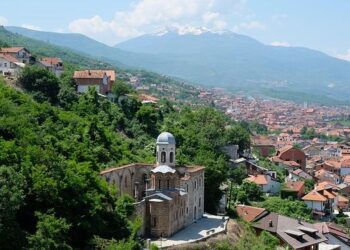
In the wake of the mass resignations by Kosovo Serb judges and prosecutors in 2022, a notable shift is emerging as some members of this community express interest in returning to their judicial positions. The mass departures, which followed a period of heightened political tensions and security concerns, left significant gaps within Kosovo’s justice system, particularly in Serb-majority areas. Now, reports indicate that a number of Kosovo Serbs are reconsidering their withdrawals, signaling potential progress toward restoring ethnic representation and stability within the judiciary. This development, highlighted by Balkan Insight, underscores ongoing challenges and evolving dynamics in Kosovo’s delicate post-conflict governance landscape.
Mass Resignations Disrupt Judicial System in Kosovo Serb Communities
The abrupt departure of numerous judicial figures from Kosovo Serb communities in 2022 led to a significant vacuum in the local court systems, hindering legal proceedings and exacerbating tensions in the region. Many courts experienced delays, with some cases left unresolved for months due to the insufficient number of functioning judges and prosecutors. The ripple effects were immediately felt by residents, who voiced concerns about the erosion of trust in the judiciary and the lack of access to timely justice. This disruption underscored the delicate balance of governance in minority regions and emphasized the need for stable institutional presence.
Recently, a growing number of former officials have expressed interest in reclaiming their positions, motivated by both community pressure and a desire to restore order. Key factors cited include:
- Community stability: Renewed commitment to uphold legal frameworks locally.
- Political dialogue: Signs of easing tensions within Kosovo’s multi-ethnic governance structures.
- Professional dedication: Personal aspirations to resume judicial duties after a prolonged hiatus.
However, challenges remain, such as addressing the causes that initially prompted the resignations and ensuring adequate security and support for returning officials. The path forward will require coordinated efforts from Kosovo’s institutions and international stakeholders to rebuild judicial integrity in these critical communities.
Challenges and Opportunities in Reintegration of Kosovo Serb Judges
The reintegration of Kosovo Serb judges into the judicial system remains fraught with both challenges and potential breakthroughs. Tensions rooted in political instability and ethnic divisions have consistently complicated their full return to professional duties. Many judges who resigned en masse in 2022 cite concerns over security and political pressure as primary deterrents. Additionally, a lack of mutual trust between Kosovo’s institutions and the Kosovo Serb community creates hurdles in ensuring impartiality and transparency. Despite international efforts to foster dialogue, systemic obstacles persist, ranging from administrative delays to ambiguous legal frameworks governing reappointments.
On the other hand, renewed interest among some Kosovo Serb judges to reengage signals opportunities for rebuilding confidence in the region’s judiciary. Key factors contributing to this cautious optimism include:
- Improved cross-community cooperation programs sponsored by EU and UN missions;
- Increased calls for multi-ethnic representation within Kosovo’s courts;
- Ongoing efforts to enhance judicial independence and protect minority rights.
The government and international stakeholders face a critical window to turn this momentum into concrete reforms. The following table illustrates the current reintegration status of Kosovo Serb judges compared to 2022:
| Category | 2022 | 2024 (Current) |
|---|---|---|
| Resigned Judges | 45 | 28 |
| Returned to Positions | 0 | 10 |
| Pending Reappointment | – | 17 |
Policy Recommendations for Restoring Trust and Stability in Kosovo’s Judiciary
To mend the fractured confidence in Kosovo’s judiciary, a multi-faceted approach is essential. Priority must be given to reinforcing judicial independence through transparent appointment processes that involve both local communities and international observers. Introducing regular performance audits and ethical oversight can curtail corruption and improve accountability, fostering an environment where judges can act without political interference. Emphasizing diversity within judicial appointments, especially including members of minority groups such as Kosovo Serbs, will not only promote inclusivity but also enhance the perception of fairness within the justice system.
Complementing institutional reforms, targeted community engagement initiatives are necessary to bridge the deep-seated mistrust between the judiciary and citizens. These could include:
- Public forums where judges share updates and receive feedback on judicial matters
- Educational programs focusing on legal literacy across ethnic lines
- Support mechanisms for whistleblowers exposing judicial misconduct
Only by combining robust policy reforms with grassroots reconciliation efforts can Kosovo hope to restore stability and genuine trust within its judicial system.
| Policy Focus | Expected Outcome | Stakeholders |
|---|---|---|
| Transparent Judicial Appointments | Reduced Political Interference | Government, Civil Society |
| Performance Audits | Increased Accountability | Judiciary, International Partners |
| Community Engagement | Improved Public Trust | Civil Society, Minority Groups |
To Conclude
As Kosovo continues to navigate the complex challenges of post-conflict governance and ethnic relations, the return of some Kosovo Serb judges to the judiciary signals a cautious step towards restoring institutional balance and community representation. While uncertainties remain over political dynamics and resource allocation, such developments underscore ongoing efforts to stabilize the justice system in a region still marked by deep divisions. The coming months will be critical in determining whether these returns can translate into sustained confidence and functionality within Kosovo’s courts.