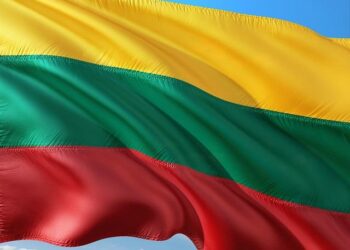
Lithuania has announced plans to prohibit Russian and Belarusian nationals who support the war in Ukraine from participating in public activities within its borders. The move, aimed at safeguarding national security and social cohesion, reflects growing concerns over the influence of pro-war factions amid the ongoing conflict. This latest policy development underscores Lithuania’s firm stance alongside Kyiv and its commitment to countering Russian aggression in the region.
Lithuania Implements Restrictions on Pro-War Russians and Belarusians
In a decisive move reflecting its concern over escalating regional tensions, Lithuania has introduced stringent measures targeting individuals from Russia and Belarus who openly support the ongoing conflict. The new restrictions prohibit these pro-war figures from participating in public events, engaging in political activities, or holding positions in organizations that influence public opinion. Lithuanian authorities emphasize that this step is crucial to safeguarding national security and preserving public order amid growing disinformation campaigns and propaganda efforts originating from aggressor states.
The outlined prohibitions include:
- Ban on organizing or attending public rallies supporting the war effort
- Restrictions on media appearances by individuals with clear pro-war stances
- Limiting access to official platforms for political discourse
These measures underscore Lithuania’s commitment to opposing aggression while protecting democratic values and civil liberties within its borders. Authorities have also announced enhanced monitoring protocols to ensure compliance, with penalties ranging from fines to potential deportation for foreign nationals found violating the new regulations.
| Restriction | Scope | Potential Penalty |
|---|---|---|
| Public Rally Participation | Complete Ban | Fines & Deportation |
| Media Appearances | Limited to Non-Political Content | Suspension |
| Political Organization Membership | Prohibited if Pro-War | Legal Action |
Impact of the Ban on Public Activities within Lithuania’s Political Landscape
Lithuania’s decisive move to restrict public participation by pro-war Russians and Belarusians signals a significant recalibration within the nation’s political landscape. This ban underscores the government’s commitment to safeguarding national security and countering foreign influence amid escalating regional tensions. Many political analysts interpret this step as a strategic measure aimed at curtailing propaganda and potential unrest stemming from actors perceived as sympathetic to ongoing conflicts. The legislation has sparked vigorous debate within political circles, with some viewing it as a necessary defense mechanism, while others caution against potential infringements on civil liberties.
- Impact on Civic Engagement: The ban is expected to reshape the dynamics of public demonstrations and political rallies, limiting the voices that can legally participate.
- Political Party Reactions: Government and opposition factions have diverging views, reflecting broader ideological divides on security and human rights.
- Diplomatic Ramifications: The move may strain Lithuania’s relations with Russia and Belarus but likely strengthens ties with Western allies emphasizing security cooperation.
| Stakeholder | Position | Concerns | |||
|---|---|---|---|---|---|
| Lithuanian Government | Supportive | National security, public order | |||
| Opposition Parties | Mixed | | Stakeholder | Position | Concerns | |
| Lithuanian Government | Supportive | National security, public order | |||
| Opposition Parties | Mixed | Civil liberties, risk of overreach | |||
| Pro-war Russians and Belarusians | Opposed | Exclusion from public discourse, political marginalization | |||
| Western Allies | Generally supportive | Alliance cohesion, promoting regional security |
—
### Summary
Lithuania’s decision to ban pro-war Russians and Belarusians from participating in public events highlights its proactive stance on safeguarding national security amidst geopolitical tensions. This legislative move affects civic engagement by narrowing who can participate in public political activities and has elicited a spectrum of reactions from various stakeholders
Recommendations for Monitoring and Enforcing Restrictions Amid Regional Tensions
Effective oversight requires a multi-layered approach combining community vigilance with technological tools. Authorities should prioritize the establishment of dedicated monitoring units equipped to identify and assess activities deemed supportive of aggressive actions. Leveraging AI-driven social media analysis, alongside traditional intelligence gathering, can facilitate the early detection of potential violations. To ensure transparency and public trust, these operations must adhere strictly to legal frameworks, safeguarding rights while maintaining national security.
Collaboration with local institutions and civil society plays a pivotal role in enforcing prohibitions without escalating tensions further. Regular training for enforcement personnel on cultural sensitivity and legal statutes will enhance compliance and minimize grievances. The table below outlines key strategies and their expected outcomes to operationalize restrictions effectively:
| Strategy | Implementation | Expected Outcome |
|---|---|---|
| Community Reporting | Anonymous hotlines & online platforms | Increased grassroots engagement |
| Technological Surveillance | AI tools for social media monitoring | Rapid identification of breaches |
| Legal Training | Workshops for enforcement agencies | Consistent and lawful enforcement |
| Public Awareness Campaigns | Outreach via media and events | Informed citizenry and reduced misinformation |
Final Thoughts
As Lithuania moves forward with plans to bar pro-war Russians and Belarusians from public activities, the decision underscores the Baltic nation’s firm stance against the ongoing conflict in Ukraine and its broader efforts to safeguard national security and social cohesion. Observers will be watching closely to see how this policy unfolds and its implications for regional relations amid the tense geopolitical landscape.