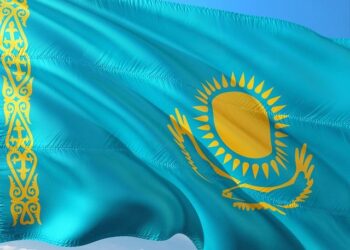
KAZAKHSTAN – Katarzyna Wawiernia, the United Nations Development Programme (UNDP) Resident Representative in Kazakhstan, delivered the welcoming remarks at the Second Meeting of the Coordination Council of Partners for Water Sector Development. The gathering, which brought together key stakeholders and development partners, underscored the crucial role of coordinated efforts in addressing water management challenges across the country. In her opening address, Wawiernia emphasized UNDP’s commitment to fostering sustainable water solutions and strengthening partnerships to support Kazakhstan’s environmental and socio-economic priorities.
Welcoming Address Emphasizes Strengthening Multi-Stakeholder Collaboration for Water Security
In her welcoming remarks, Katarzyna Wawiernia, UNDP Resident Representative in Kazakhstan, highlighted the indispensable role of multi-stakeholder collaboration in advancing sustainable water management across the nation. Emphasizing shared responsibility, she urged partners from government, civil society, the private sector, and international organizations to deepen coordination efforts to address the pressing challenges of water scarcity and quality. Wawiernia underscored that only through inclusive dialogue and joint action can the diverse needs of communities be met effectively, ensuring long-term water security amid climate change pressures.
She further outlined key objectives for the Coordination Council moving forward, including:
- Enhancement of cross-sector information sharing to facilitate data-driven policy-making;
- Strengthening institutional capacities to implement integrated water resource management;
- Mobilization of innovative financing to support water infrastructure and conservation projects;
- Promotion of community engagement to foster local stewardship and sustainable practices.
| Priority Area | Expected Impact |
|---|---|
| Data Sharing Platforms | Improved transparency and collaboration |
| Capacity Building | Enhanced implementation effectiveness |
| Financial Innovation | Increased investment in water projects |
| Community Involvement | Greater sustainability and resilience |
Key Insights on Integrating Sustainable Practices in Kazakhstan’s Water Sector Development
Addressing the critical challenges within Kazakhstan’s water sector, UNDP Resident Representative Katarzyna Wawiernia emphasized the need for holistic and inclusive approaches that prioritize sustainability while ensuring equitable resource management. She highlighted the significance of fostering collaboration among governmental bodies, local communities, and international partners to effectively tackle water scarcity, promote efficient usage, and strengthen resilience against climate impacts. Wawiernia called for innovative policy frameworks that integrate cutting-edge technologies and traditional knowledge systems to safeguard water resources for future generations.
- Strengthening Institutional Capacity: Enhancing coordination and technical expertise among agencies to improve water governance and service delivery.
- Promoting Water-Efficient Technologies: Adopting modern irrigation methods and wastewater treatment to reduce consumption and pollution.
- Community Engagement: Empowering local stakeholders through education and participatory decision-making to support sustainable practices.
| Focus Area | Key Initiative | Expected Outcome |
|---|---|---|
| Policy Development | Integrated Water Resource Management Plans | Coherent strategies aligned with sustainability goals |
| Technology | Smart Water Metering Systems | Real-time monitoring and reduced wastage |
| Capacity Building | Training Workshops for Local Authorities | Improved management and response capabilities |
Recommendations Focus on Enhancing Data Sharing and Leveraging Innovation for Regional Water Management
At the heart of the discussions was the urgent need to transform existing water management practices by embracing open data sharing protocols among regional partners. Emphasizing transparency and cooperation, the UNDP Resident Representative highlighted how enhanced data exchange platforms can significantly improve forecast accuracy, resource allocation, and crisis response. Stakeholders agreed that fostering a culture of trust and mutual benefit is essential to overcoming historical challenges linked to fragmented information flow.
Innovation emerged as a key driver, with experts advocating for the integration of cutting-edge technologies such as real-time monitoring sensors, AI-driven predictive models, and blockchain to ensure data integrity. The meeting underscored the importance of collaborative pilot projects that leverage these tools to test scalable solutions tailored to the unique hydro-climatic conditions of Central Asia. Participants outlined priorities for capacity-building initiatives and joint financing mechanisms to sustain regional cooperation and maximize impact.
| Key Recommendation | Focus Area | Expected Outcome |
|---|---|---|
| Establish Regional Data Hubs | Data Transparency | Enhanced Cross-border Access |
| Deploy AI & IoT Solutions | Innovation & Technology | Improved Water Quality & Efficiency |
| Launch Joint Capacity Programs | Training & Knowledge Sharing | Stronger Institutional Collaboration |
Insights and Conclusions
In closing, the welcoming remarks delivered by UNDP Resident Representative Katarzyna Wawiernia at the Second Meeting of the Coordination Council of Partners for Water Sector Development underscored the critical importance of collaborative efforts in addressing water challenges in Kazakhstan. Her call for strengthened partnerships and innovative solutions set a constructive tone for the discussions ahead, reaffirming UNDP’s commitment to supporting sustainable water management and development in the region. As stakeholders unite under a shared vision, the meeting marks a significant step forward in advancing the water sector’s resilience and ensuring long-term benefits for communities across Kazakhstan.