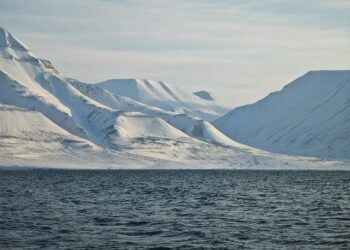
Svalbard and Jan Mayen, two remote territories located in the Arctic and North Atlantic respectively, have long been considered pristine environments with minimal air pollution. However, monitoring air quality in these regions is crucial due to their unique ecosystems and increasing scientific and industrial activities. IQAir’s comprehensive Air Quality Index (AQI) data now provides up-to-date insights into pollution levels on these isolated islands, offering valuable information for residents, researchers, and policymakers alike. This article explores the latest AQI reports from Svalbard and Jan Mayen, shining a light on the factors influencing air quality and the implications for environmental and public health in these fragile Arctic outposts.
Svalbard and Jan Mayen Air Quality Index Overview Reveals Minimal Pollution Levels
The pristine Arctic environment surrounding Svalbard and Jan Mayen continues to exhibit some of the world’s lowest levels of air pollution. Thanks to sparse human activity and stringent environmental regulations, air quality remains exceptionally high, offering a rare glimpse of near-pristine atmospheric conditions. Continuous monitoring by IQAir highlights consistently low concentrations of key pollutants such as PM2.5, PM10, and nitrogen dioxide (NO2), all far below global safety thresholds.
Key factors contributing to this minimal pollution include:
- Limited industrial development and absence of heavy traffic
- Cool Arctic climate that disperses pollutants rapidly
- Strict environmental controls aimed at preserving fragile ecosystems
| Pollutant | Average Concentration | WHO Safety Limit |
|---|---|---|
| PM2.5 | 2 µg/m³ | 10 µg/m³ |
| PM10 | 5 µg/m³ | 20 µg/m³ |
| NO2 | 3 ppb | 40 ppb |
Key Pollutants Impacting Svalbard and Jan Mayen Air Quality Analyzed
Despite its remote Arctic location, Svalbard and Jan Mayen face air quality challenges primarily from a combination of local sources and long-range atmospheric transport. The most significant pollutants detected include particulate matter (PM2.5 and PM10), nitrogen dioxide (NO2), and ozone (O3). Particulate matter largely originates from combustion processes in industrial activities and shipping, while NO2 levels fluctuate due to fossil fuel use and seasonal variations. Tropospheric ozone, a secondary pollutant, is formed by complex photochemical reactions influenced by precursor gases transported from continental Europe and Asia.
Recent monitoring campaigns highlighted subtle but measurable impacts of pollutants on local ecosystems and public health. The analysis reveals key emission contributors:
- Maritime Traffic: Emissions from cruise ships and cargo vessels are a dominant local pollution source, releasing sulfur oxides (SOx) and nitrogen oxides (NOx).
- Coal Mining Operations: Dust and combustion byproducts from mining activities add to particulate concentration spikes, especially during winter months.
- Long-Range Transport: Pollutants carried by atmospheric currents lead to elevated ozone and fine particle levels, complicating local air quality management.
| Pollutant | Main Source | Seasonal Variation | Impact |
|---|---|---|---|
| PM2.5 | Coal mining, shipping emissions | Higher in winter | Respiratory irritation, ecosystem stress |
| NO2 | Fossil fuel combustion | Peak in winter | Aggravates asthma, contributes to smog |
| O3 | Photochemical reactions, transported precursors | Elevated in summer | Plant damage, respiratory problems |
Experts Recommend Strategies to Maintain Clean Air and Monitor Emerging Threats
Authorities and environmental experts emphasize the importance of proactive measures to preserve air quality in sensitive regions such as Svalbard and Jan Mayen. Among the most effective practices, regular monitoring of pollutant levels through advanced air quality sensors is critical to early detection and swift response. They also recommend limiting emissions from local sources by enforcing stricter regulations on industrial activities and transportation, particularly focusing on reducing particulate matter (PM2.5 and PM10) and nitrogen dioxide (NO2).
Key strategies include:
- Installation of continuous monitoring stations to provide real-time data accessible to the public and authorities.
- Promotion of clean energy alternatives for local power generation and transport to reduce dependency on fossil fuels.
- Community awareness campaigns educating residents on pollution prevention and health impacts.
- Collaboration with international environmental agencies to address transboundary pollution and climate change factors.
| Strategy | Benefit |
|---|---|
| Continuous Monitoring | Early threat detection |
| Clean Energy Adoption | Reduced emissions |
| Public Education | Enhanced community engagement |
| International Cooperation | Broader impact mitigation |
Key Takeaways
In summary, monitoring the Air Quality Index (AQI) in remote regions like Svalbard and Jan Mayen provides valuable insights into the impacts of global pollution and climate change on fragile Arctic environments. As these areas continue to face environmental pressures, real-time data from platforms such as IQAir play a crucial role in informing policy decisions and raising public awareness. Staying informed about air quality trends in such unique locations is essential for safeguarding both local ecosystems and the broader planetary health.