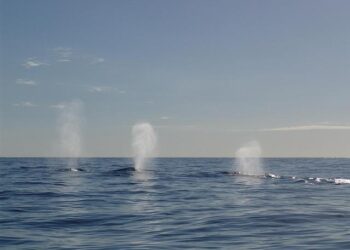
In a dramatic turn of events off the coast of the Faroe Islands, members of the Sea Shepherd Conservation Society have been arrested amid escalating tensions surrounding the annual dolphin hunt. Authorities detained several crew members following confrontations linked to the controversial drive hunt, which resulted in the killing of 706 dolphins. This incident has sparked renewed international debate over the practice, drawing attention to the clash between local traditions and wildlife conservation efforts.
Sea Shepherd Crew Faces Legal Action Amid Controversial Dolphin Hunt
The Sea Shepherd Conservation Society has once again found itself embroiled in controversy after members of its crew were detained following a contentious dolphin hunt in the Faroe Islands. Local authorities charged the activists with interference and vandalism as tensions escalated during the annual drive hunt, a tradition that has faced growing international criticism. Meanwhile, reports confirmed the brutal culling of 706 dolphins during the event, sparking outrage among environmental and animal welfare groups worldwide.
The incident has reignited debates over the legality and ethics of traditional hunts versus modern conservation efforts. Key points from the recent Faroe Islands operation include:
- Date of hunt: Early June 2024
- Location: Norðoyar region, Faroe Islands
- Species targeted: Atlantic white-sided dolphins
- Sea Shepherd crew status: Arrested and pending legal proceedings
| Category | Details |
|---|---|
| Number of Dolphins Killed | 706 |
| Crew Arrested | 6 Members |
| Charges Filed | Interference & Vandalism |
| Environmental Impact | High concern raised |
Environmental Impact and Community Response to Massive Dolphin Kill
The recent mass killing of 706 dolphins in the Faroe Islands has raised urgent concerns about the environmental repercussions of such large-scale culls. Marine biologists warn that the loss of this many dolphins in a single event disrupts local marine ecosystems, potentially affecting prey and predator dynamics for years. These dolphins play a critical role in maintaining ocean health by controlling fish populations and supporting biodiversity. Environmental groups fear that repeated hunts could lead to long-term population declines, impacting not only the marine food chain but also the overall vitality of coastal waters surrounding the Faroe Islands.
Communities both locally and globally have mobilized in response to the carnage and the concurrent arrest of the Sea Shepherd crew, whose intervention efforts aimed to prevent this tragedy. Activists emphasize the need for increased international protections and call for more transparent regulations.
Key points raised by community advocates include:
- Demand for stronger enforcement of existing conservation laws
- Promotion of alternative, sustainable local fishing practices
- Greater public awareness campaigns highlighting the ecological risks
- Support for organizations actively patrolling hunting zones
| Stakeholder | Position | Immediate Action |
|---|---|---|
| Local Fishermen | Support regulated hunting | Advocate sustainable quotas |
| Sea Shepherd | Oppose all dolphin hunts | Intervention & direct action |
| Environmental NGOs | Protect dolphin populations | Research & advocacy |
| Government | Balance economy & conservation | Review policy frameworks |
Calls for Stronger International Protections and Regulatory Reforms in the Faroe Islands
The recent events in the Faroe Islands have reignited global demands for robust international safeguards and urgent regulatory reforms to protect marine life. Conservation groups and activists around the world are calling on governments and global institutions to implement stricter controls on traditional hunts that result in mass dolphin killings. The incident, which led to the unlawful detention of Sea Shepherd crew members, has highlighted significant gaps in enforcement and transparency within existing legal frameworks.
Key reform demands include:
- Implementation of binding international moratoriums on drive hunts to prevent indiscriminate slaughter.
- Strengthened monitoring and enforcement mechanisms to ensure compliance with wildlife protection treaties.
- Greater accountability through transparent reporting and independent oversight bodies.
- Enhanced protection for activists working on the frontlines to document and prevent such events.
| Issue | Current Status | Proposed Change |
|---|---|---|
| Legal Oversight | Weak national enforcement | International legal frameworks with penalties |
| Hunt Quotas | Unregulated traditional allowances | Strict global quotas or bans |
| Activist Protections | Frequent arrests and intimidation | Legal safeguards and diplomatic support |
Final Thoughts
The recent arrest of Sea Shepherd crew members amid the killing of 706 dolphins in the Faroe Islands has once again drawn international attention to the controversial practice known as the Grindadráp. As authorities proceed with legal actions and Sea Shepherd continues to condemn the hunt, the incident highlights the ongoing clash between traditional hunting practices and modern conservation efforts. The global community remains divided, with calls for increased protection of marine mammals growing louder. This latest episode underscores the urgent need for dialogue and sustainable solutions to address the complex challenges facing marine wildlife and cultural heritage in the region.