In a significant geopolitical maneuver, Hungarian Prime Minister Viktor Orbán has voiced his support for direct negotiations with Russia, challenging the more confrontational stance adopted by many European Union leaders in response to the ongoing conflict in Ukraine. As tensions within the bloc rise, Orbán’s assertions come ahead of a crucial EU summit, where member states are expected to adopt a declaration reinforcing their unity against Russian aggression. This divergence in approach underscores Hungary’s complex relationship with Moscow,as Orbán advocates for dialog over diplomatic isolation,prompting a deeper examination of the implications for EU cohesion and regional security. The article will explore Orbán’s position, the reactions from other EU leaders, and the potential repercussions for Hungary’s role within the European Union.
Hungarys Strategic Shift: Orban advocates for Direct Negotiations with Russia
In a significant departure from conventional EU policies, Prime Minister Viktor Orbán has publicly called for Hungary to engage in direct negotiations with Russia. This move reflects a broader strategy aimed at recalibrating Hungary’s foreign policy,positioning the country as an intermediary rather than a participant in the EU’s collective stance against Moscow. Orbán’s comments come as tensions in Europe persist,with many member states standing firm on sanctions and diplomatic isolation strategies regarding Russia. He argues that fostering dialogue may open avenues for energy security and economic cooperation that would benefit hungary directly.
Orbán’s advocacy for unmediated talks highlights a growing rift within the EU, particularly regarding its perceived handling of relations with Russia. Critics of the EU’s summit declarations stress that such a hardline stance might foreclose opportunities for pragmatic solutions and less confrontational engagements. Key arguments in favor of Orbán’s position include:
- Economic Benefits: Potential for reduced energy prices and supply stability.
- Political Leverage: Establishing Hungary as a pivotal negotiating player in Eastern European affairs.
- Regional Stability: Lowering tensions between NATO partners and Russia could prevent escalation.
These viewpoints underline a philosophical divide within the EU on how best to respond to external pressures and challenges, with Hungary seemingly charting a path that many other member states may find contentious. As Orbán insists that diplomacy could offer practical advantages, the dialogue about Hungary’s positioning continues to evolve amidst a backdrop of complex geopolitical dynamics.
EU Summit Dynamics: Opposition to Collective Declaration amid Diverging Perspectives
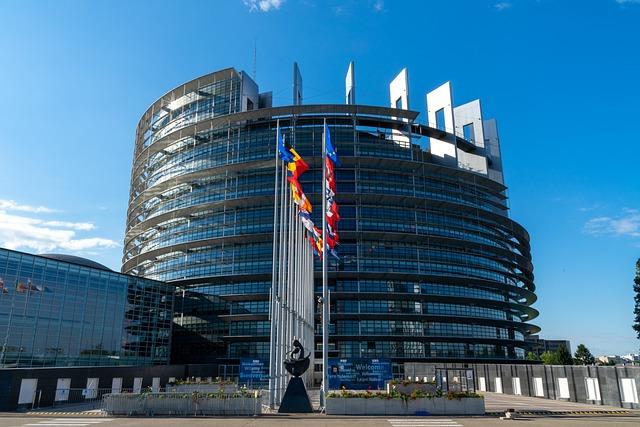
as the recent EU summit approached, tensions flared over Hungary’s Prime Minister Viktor Orbán’s insistence on initiating direct dialogue with Russia. This stance starkly contrasts with the broader European Union consensus, which has leaned towards a united front against moscow amid ongoing geopolitical tensions. Orbán’s call for direct negotiations is rooted in his belief that diplomatic engagement could pave the way for resolving critical issues, such as energy security and economic stability that have been strained by the ongoing conflict. His position has sparked discussions about the implications of diverging perspectives within the EU, particularly concerning how member states can align their foreign policy strategies while facing external pressures.
Opposition to a collective declaration during the summit underscores the widening rift among EU member states. Some leaders worry that unilateral approaches could undermine the EU’s credibility and cohesion. Key reasons for this hesitance include:
- Concerns about weakening the EU’s unified stance on Ukraine.
- Fear that direct talks with Russia could embolden Moscow’s aggressive tactics.
- The challenge of maintaining solidarity in policy while accommodating divergent national interests.
This disagreement highlights the complex dynamics at play within the EU, where balancing national sovereignty against common goals continues to be a delicate task, prompting many to question what the future holds for European unity in foreign affairs.
The Implications of Orbans Stance: Euro-Russian Relations at a Crossroads
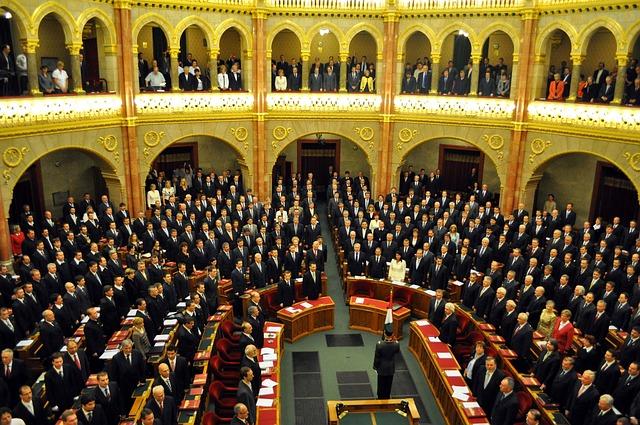
Prime Minister viktor Orbán’s recent push for direct negotiations with Russia marks a significant deviation from the prevailing sentiment within the European Union. as he challenges the EU’s collective stance—particularly in the context of a potential summit declaration—this move raises questions about the unity and coherence of Euro-Russian relations. Orbán argues that dialogue is essential for resolving outstanding issues, particularly energy security and trade. By advocating for this approach, he seems to prioritize Hungary’s national interests over broader EU strategies, which could complicate communal efforts in addressing geopolitical tensions.
The implications of Hungary’s pivot could be profound for both EU diplomacy and regional stability. This divergence may encourage other member states to reassess their own positions on Russia, leading to a fractured response to Moscow’s actions. Key considerations include:
- Energy Dependency: Hungary’s reliance on Russian energy supplies highlights the complex interplay between energy needs and geopolitical aspirations.
- Geopolitical Alignment: Orbán’s stance may embolden neighboring countries to either align with or distance themselves from Russian influence.
- EU Cohesion: Divergent views on Russia could threaten the EU’s collective bargaining power in future negotiations.
The balance between national interests and EU solidarity remains delicate. Orbán’s initiative underscores the difficulties that arise when individual member states prioritize bilateral relationships over collective action. To further illustrate these dynamics, the following table outlines the positions of select EU countries regarding their relations with Russia:
| Country | Position on Russia | Key Concerns |
|---|---|---|
| Hungary | Pro-Dialogue | Energy security, trade |
| Poland | Pro-Sanctions | Geopolitical aggression |
| Germany | Balanced Approach | Energy transition |
| France | European Cohesion | Diplomatic negotiations |
Assessing Hungarys Foreign Policy: Balancing National Interests with EU Obligations
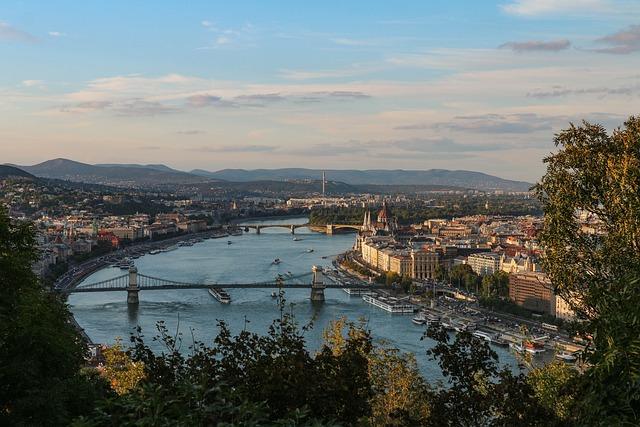
In recent developments, Hungary’s foreign policy under Prime Minister Viktor Orbán has showcased a strategic departure from typical EU consensus, particularly regarding relations with Russia. While many EU member states are advocating for a united front against moscow,Orbán has proposed direct negotiations with Russian leaders,emphasizing the need for pragmatic diplomacy over ideological stances. This approach signals Hungary’s commitment to its national interests, prioritizing economic ties and energy security over collective EU positions. The government’s insistence on sovereign decision-making contextually frames their actions as necessary for the stability and prosperity of Hungary, despite potential pushback from Brussels.
Orbán’s position has led to a notable rift within the European Union, as he openly opposes certain collective declarations from EU summits aimed at addressing the ongoing conflict in Ukraine. This has raised concerns about Hungary’s alignment with core EU values and its responsibilities as a member state. Critics argue that such public dissent undermines EU unity and could embolden adversarial nations. Though, proponents of Orbán’s stance contend that it reflects a necessary recalibration of Hungary’s foreign policy that prioritizes direct engagement and economic benefits, including:
- Energy Security: Strengthening ties with Russia for gas supplies.
- Economic Ties: Enhancing trade relations with Eastern countries.
- National Sovereignty: Protecting hungary’s right to pursue its own foreign policy.
| Aspect | EU consensus | Hungary’s Position |
|---|---|---|
| Relations with Russia | Strong condemnation | Direct negotiations |
| National Interest | Common approach | Priority for Hungary |
| Energy Supply | Diversification focus | Reliance on Russia |
Recommendations for EU Leadership: Navigating Internal Disunity and External Pressures
Amidst the ever-evolving landscape of geopolitical tensions, EU leadership must adopt a proactive and unified approach that reconciles internal divisions while addressing pressing external challenges.To do so, it is crucial for leaders to engage in open dialogue about diverging national interests, particularly regarding relations with Russia. Hungary’s Prime Minister Viktor Orbán’s push for direct negotiations with Moscow signals a significant policy divergence that necessitates urgent attention. A clearer strategy should be built around collaborative diplomacy that respects each member state’s stance while maintaining a coherent EU position on critical matters such as energy security and military alliances.
Moreover, as the EU grapples with external pressures from Russia and other global players, fostering a culture of consensus-based decision making will be essential. The EU could benefit from the establishment of dedicated forums where member states can voice their concerns and negotiate compromises in a structured format. Effective recommendations might include:
- Encouraging bilateral talks: Promoting discussions between nations to bridge differences on contentious issues.
- Implementing joint task forces: Creating specialized task forces to address specific challenges related to foreign policy, trade, and security.
- Developing a common dialogue strategy: Ensuring a unified message is conveyed to external entities to strengthen the EU’s negotiating power.
By prioritizing unity and strategic collaboration, the EU can enhance its position on the global stage. The table below outlines key insights on member states’ positions regarding Russia, which could serve as a foundation for further discussion:
| Member State | Position on Russia | Key Concerns |
|---|---|---|
| Hungary | Support for direct talks | Energy dependence |
| Poland | Firm opposition | Security threats |
| Germany | Cautious engagement | Trade stability |
The Future of Hungary-Russia Relations: Potential Scenarios and Outcomes

As Hungary’s prime Minister Viktor Orbán advocates for direct talks with Russia, the geopolitical landscape of Hungary-russia relations seems poised for a potential shift. This approach stems from updated assessments of regional energy needs, economic cooperation, and Hungary’s quest for maintaining sovereignty within the framework of the European Union.Orbán’s stance diverges sharply from the broader EU strategy aimed at isolating Russia, a tactic that he argues could jeopardize Hungary’s national interests, especially concerning energy security and economic stability.
The implications of this pivot may manifest in multiple scenarios, each carrying distinct outcomes:
- Increased Economic Collaboration: Continued negotiations may lead to enhanced trade agreements and energy supplies, positioning Hungary as a mediator in East-West relations.
- Potential EU Tensions: Orbán’s actions could exacerbate internal divisions within the EU, challenging its unified stance against Russia and sparking debates about member states’ autonomy in foreign policy.
- Security Concerns: The pursuit of closer ties with russia may raise alarms among NATO allies, perhaps impacting Hungary’s security commitments and alliances.
- Domestic Political Ramifications: orbán’s embrace of Russia could polarize Hungarian citizens, influencing upcoming elections and altering the political landscape.
To illustrate the shifting dynamics, consider the following table that summarizes key factors influencing Hungary-Russia relations:
| Factor | Current Status | Potential Impact |
|---|---|---|
| Energy Dependency | Significant reliance on Russian gas | Increased negotiation power or vulnerability |
| EU Relations | Fractured unity on foreign policy | Fueling dissent among member states |
| Defense Commitments | Tight NATO obligations | Risk of strained alliances |
These potential scenarios paint a complex picture of Hungary’s future interactions with Russia, which may either fortify or fracture the existing geopolitical fabric in Europe.The coming months will be crucial in determining whether direct communication leads to sustainable partnerships or entrenched divides.
In Conclusion
As Hungary’s Prime Minister Viktor Orbán calls for direct dialogue with Russia and openly challenges the recent EU summit declaration,the implications of his stance reverberate beyond the borders of Hungary. His approach underscores a growing divide within the European Union regarding relations with Moscow, particularly in the context of ongoing tensions stemming from the conflict in Ukraine.As EU leaders grapple with a unified strategic response, Orbán’s divergence raises critical questions about the future of collective decision-making within the bloc and reflects Hungary’s unique geopolitical positioning. As the situation develops, all eyes will be on whether Orbán’s advocacy for direct engagement will influence broader EU policies or deepen rifts among member states. The evolving dynamics of Hungary’s foreign policy continue to play a pivotal role in shaping the continent’s approach to one of its most pressing challenges.