
Lithuania Withdraws from International Treaty on Cluster Munitions: What It Means
In a significant shift in its defense policy, Lithuania has officially announced its withdrawal from teh international treaty banning cluster munitions, raising eyebrows and sparking debate both domestically and internationally. The decision, which underscores the geopolitical tensions in Eastern Europe and the evolving landscape of military warfare, marks a turning point for a nation that has historically positioned itself as a staunch advocate for disarmament and humanitarian efforts. As Russia’s aggression continues to loom large over the region, Lithuania’s move reflects a complex interplay of security concerns and international obligations. This article delves into the implications of Lithuania’s withdrawal from the treaty, exploring its potential impact on regional stability, defense strategies, and the broader discourse surrounding the use of controversial weaponry in modern conflicts.
Lithuanias Shift: analyzing the Decision to Withdraw from the Cluster Munitions Treaty
The recent decision by Lithuania to withdraw from the international treaty banning cluster munitions signals a significant geopolitical shift that could reshape the dynamics of military policy and international relations in the region. This move has raised various concerns among critics and proponents alike. supporters argue that the withdrawal is a necessary step for enhancing national defense capabilities amid heightened security threats in Eastern Europe.They point to the ongoing conflict in Ukraine and the perceived need for advanced military resources as justifications for this withdrawal. Conversely, detractors highlight potential humanitarian implications and the risks of escalating military tensions within Europe.
The implications of Lithuania’s exit from the treaty could be far-reaching, impacting both regional security and international norms surrounding weapons regulation. Key points to consider include:
- Military preparedness: Increased allocation towards military enhancements may bolster Lithuania’s defense posture.
- Humanitarian Concerns: The use of cluster munitions presents long-term risks to civilian populations and complicates post-conflict recovery efforts.
- International Relations: this move may strain Lithuania’s relationships with countries committed to disarmament and impact cooperative security agreements.
To better understand the ramifications, consider the following comparison of Lithuania’s previous commitments versus its new stance:
| Aspect | Before Withdrawal | After Withdrawal |
|---|---|---|
| Commitment to Disarmament | Active participation in cluster munitions ban | Withdrawal from treaty |
| Defense Spending | Stable with focus on existing commitments | Increase to enhance military capabilities |
| International Image | Viewed as a leader in arms control | Possibly divisive image in international forums |
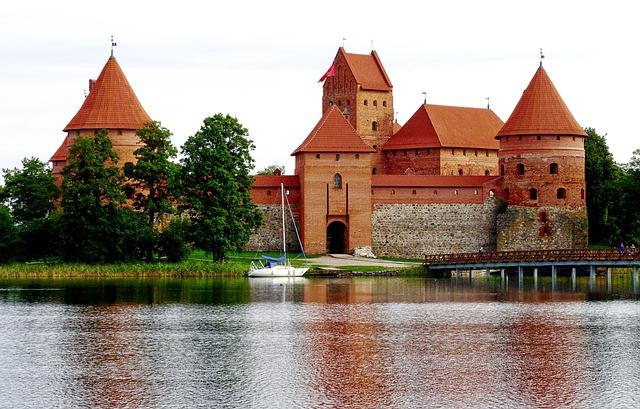
Implications for regional security: How Lithuanias Withdrawal Affects Baltic Defense Dynamics
The recent withdrawal of Lithuania from the international treaty on cluster munitions has significant repercussions for the security landscape in the baltic region. With its history of military cooperation within NATO and vibrant partnerships with neighboring countries, Lithuania’s decision may embolden separatist sentiments and adversarial actions from regional threats, particularly from Russia. As such,the implications of this withdrawal could lead to:
- Increased deterrence Needs: Baltic states may feel compelled to reassess their defense strategies,potentially increasing military investment and enhancing joint exercises.
- Shift in Alliance Dynamics: The Baltic defense consensus may experience strains, impacting collaborative efforts against common threats.
- Pressure on Neighboring States: Latvia and Estonia may be urged to bolster their own military capabilities in response to perceived vulnerabilities within the region.
Additionally, this maneuver raises questions about future military cooperation frameworks and the collective stance on conventional arms among Baltic states.If Lithuania shifts towards a more aggressive military posture, it could lead to a re-evaluation of regional defense strategies, as illustrated in the table below:
| Key Factors | Potential Impact |
|---|---|
| Military Posture of Lithuania | shift towards proactive engagement and deterrence. |
| NATO Response | Increased NATO presence in the region to counterbalance threats. |
| Regional Cooperation | Potential fracturing or unification based on shared defense interests. |
Ultimately,Lithuania’s departure from the treaty represents not just a unilateral decision but a catalyst for wider discussions on security dynamics,cooperation integrity,and regional stability within the Baltic defense framework.

Humanitarian Concerns: The impact on Civilian Safety and International Human Rights Standards
The decision by Lithuania to withdraw from the international treaty on cluster munitions raises significant concerns regarding the safety and well-being of civilians in conflict-affected areas.Cluster munitions are notorious for their long-lasting impact, with unexploded ordnance posing a threat to life long after hostilities have ceased.This step away from the treaty may signal a shift in Lithuania’s foreign policy, potentially prioritizing military autonomy over adherence to established humanitarian norms. The implications for civilian safety are dire, as these weapons often disproportionately affect non-combatants, particularly children, who may encounter these remnants in their daily lives.
Moreover, this move could set a concerning precedent in international relations, challenging established human rights standards that seek to protect vulnerable populations in war zones. The withdrawal may contribute to the erosion of global norms surrounding the use of indiscriminate weaponry and raise questions about responsibility over civilian casualties. Key human rights advocates are apprehensive that this decision may embolden other nations to follow suit, undermining hard-won progress in humanitarian law. It is crucial that the international community reaffirms its commitment to civilian protection and holds states accountable for their choices that threaten global safety and human dignity.

Reactions from the International Community: Responses and Consequences of Lithuanias Move
The international community has reacted with a mix of concern and support following Lithuania’s decision to withdraw from the treaty on cluster munitions. Many nations have expressed apprehension that this move could signal a shift in the global stance on disarmament and humanitarian law. Critics argue that resuming the use of such munitions could undermine years of progress in international arms control and put civilians at greater risk in conflict zones. Key organizations like the United Nations and the International Committee of the Red Cross have reiterated the importance of adhering to such treaties to protect human rights and reduce civilian casualties in warfare.
Conversely, some countries have voiced their support for Lithuania, aligning with its viewpoint that the evolving security landscape necessitates a reassessment of military capabilities, especially amidst ongoing tensions in Eastern Europe. Nations within NATO, as a notable example, are weighing the strategic implications, seeing Lithuania’s move as a call to bolster collective defense mechanisms. Responses from major players include:
- United States: Cautiously supportive, affirming Lithuania’s right to self-defense.
- Russia: Criticizing the decision as a perilous escalation.
- European Union: Calling for a balanced debate on security and humanitarian obligations.
This divergence among global actors highlights the multifaceted impacts of Lithuania’s decision and the complex interplay between military strategy and international humanitarian norms.

Recommendations for Policy Makers: Navigating the Challenges of Military Necessity and Humanitarian Obligations
as Lithuania reassesses its commitments by withdrawing from the international treaty on cluster munitions, policymakers face critical challenges that need to be addressed to balance military necessity with humanitarian obligations. It is essential for governments to implement measures that ensure military strategies do not come at the cost of human rights and civilian safety.Recommendations include:
- Developing Clear Guidelines: establish extensive frameworks that define acceptable uses of military force, ensuring compliance with both domestic and international humanitarian laws.
- Investing in Training: Ensure military personnel are trained on humanitarian principles and the implications of using controversial weapons, enhancing awareness of humanitarian obligations.
- Engaging in Dialogue: Facilitate discussions between military leaders and humanitarian organizations to create a shared understanding of the consequences of military actions on civilians.
- Promoting Diplomatic Solutions: Prioritize diplomatic efforts in conflict resolution to minimize reliance on military force, thus decreasing the need for controversial weaponry.
Furthermore, public transparency regarding military decisions is crucial. Governments must actively communicate their rationale behind relying on certain military capabilities while fostering an environment of collaboration with civil society. Proposed measures might include:
| Measure | Description |
|---|---|
| Accountability Mechanisms | Establish systems for holding military operations accountable to international humanitarian standards. |
| Periodic Reviews | Conduct evaluations of military strategies to assess their humanitarian impacts regularly. |
| Public Awareness Campaigns | Launch initiatives to inform the public about humanitarian implications of military actions. |
to Conclude
Lithuania’s withdrawal from the international treaty on cluster munitions marks a significant shift in the nation’s defense policy and its stance on international arms control. This decision not only raises questions about the implications for regional security but also reflects broader tensions surrounding military alliances and geopolitical alliances in Europe. as lithuania navigates its future military strategies and international commitments,the ramifications of this move will likely extend beyond its borders,influencing the ongoing discourse surrounding the use of cluster munitions globally. Moving forward, it will be essential to monitor how this development affects Lithuania’s relations with other NATO members and its commitments to international humanitarian standards. As the situation continues to evolve, the global community must remain vigilant in addressing the challenges posed by such munitions and the adherence to treaties aimed at promoting peace and safety.