In a growing movement advocating for cultural restitution, UK government officials and museums are facing increasing pressure to halt the display of ancestral remains and to initiate the repatriation of thes artifacts to their countries of origin. Recent calls from indigenous communities and international organizations underscore the ethical implications of retaining human remains in museums,highlighting the need for sensitivity to the wishes of descendant communities.As conversations around colonial histories and cultural heritage advance, this article explores the nuanced debate surrounding the legacy of ancestral remains in UK institutions and the potential pathways for repatriation that could reshape the relationship between museums and the cultures they represent.
UK Government Faces Pressure to Repatriate Ancestral Remains from Museums
The ongoing debate surrounding the ethical management of ancestral remains in UK museums has intensified, fueled by cultural sensitivity and calls for restorative justice. Activists and representatives from various communities argue that the display of these remains often overlooks the deep cultural significance they hold for descendants.Key points in the discussion include:
- Ethical Considerations: The need for museums to reassess their roles in preserving cultural heritage while respecting the wishes of descendant communities.
- Cultural Heritage: Many ancestral remains are considered sacred, and their repatriation is viewed as an essential aspect of healing past wounds.
- global Trends: Other countries have successfully returned ancestral remains, setting precedents for ethical practices in cultural institutions.
As public pressure mounts, the government is encouraged to take decisive steps towards developing a clear framework for repatriation. Advocacy groups are pointing to the lack of transparency in current practices and the need for a more inclusive dialog with affected communities. A suggested framework could include:
| Proposed Steps | Potential Impact |
|---|---|
| Establish Repatriation Guidelines | Provide clear pathways for returns. |
| Engage with Communities | Foster collaborative efforts in decision-making. |
| Support Research and Documentation | Promote understanding of cultural significance. |

Cultural Institutions Respond to Growing Calls for Ethical Restitution
As public awareness regarding the ethical implications of displaying ancestral remains continues to grow, cultural institutions across the UK are facing increasing pressure to address the historical injustices tied to their collections. Activists and community leaders are vocalizing their demands for restitution, advocating for the return of sacred artifacts and human remains to their rightful custodians. Museums, once regarded as extensive repositories of world heritage, are now called to reevaluate their responsibilities and the narratives they present. Prominent institutions are responding by forming committees and engaging in dialogues with indigenous populations to create pathways for repatriation.
In light of these developments, several key organizations have outlined their commitments to ethical restitution practices, emphasizing a shift from mere education on historical contexts to active collaboration with affected communities. The movement is prompting a reevaluation of policies that have long dictated the retention of cultural artifacts,with institutions recognizing the importance of acknowledging trauma associated with colonial histories. Many museums are reporting their progress through interactive platforms and open forums, fostering a clear dialogue on the future of cultural heritage. The following table summarizes the approaches being adopted by various institutions:
| Institution | Action Taken | Target Date for Repatriation |
|---|---|---|
| British Museum | Engaging with indigenous groups for dialogue | Ongoing |
| National Museums Scotland | Developing a policy for returning remains | 2025 |
| University of Cambridge | Conducting provenance research | 2024 |

Impact of colonialism on Modern Museum Practices and Ancestral Remains
The legacy of colonialism continues to resonate within modern museum practices, fundamentally shaping the way cultural artifacts and ancestral remains are treated and displayed.the appropriation of items from colonized nations has often been justified under the guise of education and preservation, yet this outlook overlooks the cultural significance these items hold for the communities they originate from. As a result, many museums have been urged to reassess their roles as custodians of history, taking into account the demands for repatriation and the cessation of displaying remains that are integral to the identity and heritage of Indigenous populations.These calls highlight the need for ethical reflection within the museum community and greater collaboration with descendant communities.
The impact of these colonial practices is manifold, influencing not only public perception of cultural heritage but also the moral responsibilities of institutions.Museums are now encouraged to engage in more inclusive dialogue with Indigenous groups affected by colonialism, which can lead to the advancement of more respectful and meaningful exhibitions. Key considerations include:
- Cultural sensitivity in exhibition planning
- Community involvement in the curation process
- Recognition of ancestral land and rights
adopting these considerations would instate a framework wherein healing and understanding can flourish, thereby fostering a more equitable approach to history that acknowledges the past while paving the way for future collaborations.

recommendations for a Framework on Repatriation of Indigenous Artifacts
In response to the ongoing discourse surrounding the ethical repatriation of Indigenous artifacts, it is paramount to establish a thorough framework that prioritizes the voices and rights of Indigenous communities. Key recommendations include:
- Engagement with Indigenous Leaders: Prioritize partnerships with current leaders and representatives from Indigenous communities to ensure their perspectives shape policies.
- Research and Documentation: Invest in thorough research to document the provenance of artifacts, enabling a clear understanding of their cultural significance.
- Legal Reforms: Adjust existing legal frameworks to facilitate the return of artifacts without lengthy bureaucratic obstacles, allowing for a more straightforward path to repatriation.
- Public Awareness Campaigns: Launch educational campaigns highlighting the importance of repatriation and its role in healing historical injustices.
Furthermore, museums and institutions should establish dedicated repatriation teams equipped with cultural experts to navigate the complexities of artifact returns. These teams will be invaluable in fostering ongoing dialogue and reconciliation between institutions and Indigenous groups. A suggested model for repatriation initiatives could include:
| Phase | Action Point | Responsible Party |
|---|---|---|
| Phase 1 | Identify artifacts for potential repatriation | Museums |
| Phase 2 | Consult with Indigenous communities | Repartriation Teams |
| Phase 3 | Develop action plans for repatriation | Legal Advisors |
| Phase 4 | Conduct educational outreach | museums & Communities |
Public Opinion Shifts as Awareness Increases Around Cultural Heritage Rights
As awareness grows regarding the complexities of cultural heritage rights, public opinion in the UK is increasingly shifting towards advocating for the repatriation of ancestral remains. This movement has intensified calls for the government and museums to rethink their policies surrounding the display of human remains,which are often taken without consent from indigenous populations. The recognition of these rights is vital, not only for the cultural and ethical implications but also for fostering reconciliation and restorative justice. Many citizens are now questioning the ethics of displaying these remains, demanding that institutions honor the wishes of communities from which they originated.
Recent public debates have highlighted key issues surrounding the display of ancestral remains, with several critical arguments gaining traction:
- Ethical Considerations: The moral obligation to return remains to their rightful communities is increasingly acknowledged.
- Indigenous rights: Many feel that the history of colonialism necessitates a careful reevaluation of how cultural artifacts and remains are treated.
- Educational Responsibility: museums are called to educate the public about the provenance of these items and the circumstances of their acquisition.
In a recent survey, a majority of respondents expressed support for the repatriation movement, underscoring the need for policy changes. the following table outlines the shifting sentiments regarding this issue:
| Year | Support for Repatriation (%) | opposition to Display (%) |
|---|---|---|
| 2018 | 45 | 30 |
| 2020 | 56 | 25 |
| 2022 | 65 | 20 |
Future of Museums: Balancing Preservation with Ethical Responsibility
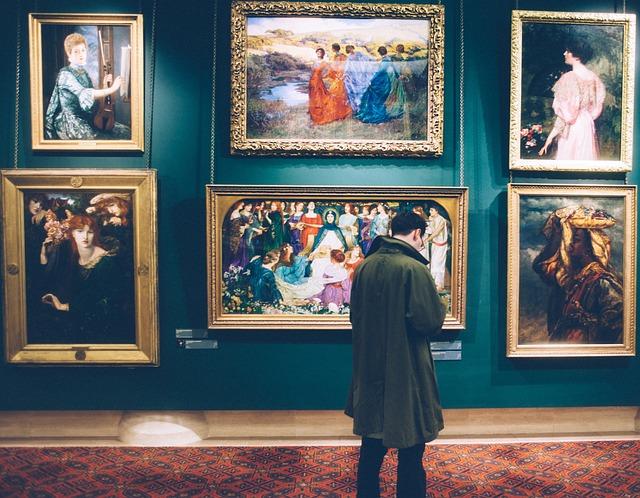
the ongoing debate over the display of ancestral remains in museums highlights a critical intersection of cultural heritage and ethical accountability. Museums, traditionally seen as custodians of history, are now confronting increasing calls to reconsider their roles as they house artifacts that represent the identities and values of the communities from which they originated. As pressure mounts from advocacy groups and indigenous communities, it becomes essential for institutions to engage in dialogue about the impact of their collections on the descendants of those represented. The urgency is clear: the ethical responsibility of museums is shifting towards a model that prioritizes repatriation and cultural sensitivity.
In moving toward a more ethical framework, museums must consider several key factors:
- Community Engagement: Museums should actively involve descendant communities in decisions regarding their ancestral remains and other culturally significant items.
- Transparency: Institutions must be open about their collection practices, ensuring that the provenance of artifacts is well-documented and understood.
- Education: Taking steps to educate the public on the historical contexts and ethical implications surrounding ancestral remains fosters a deeper understanding of cultural significance.
to illustrate the varying approaches taken by institutions in the UK and beyond, the following table summarizes some notable case examples regarding the repatriation of ancestral remains:
| Institution | Status of Remains | Action Taken |
|---|---|---|
| British Museum | Over 1,000 remains | No repatriation yet; under review |
| natural History Museum | Various ancestral remains | Began repatriation discussions |
| University of Cambridge | Indigenous remains | Agreed to return remains to communities |
Future Outlook
As discussions surrounding the repatriation of ancestral remains gain momentum, the call for the UK government and museums to reevaluate their exhibitions is becoming increasingly urgent. Advocates argue that returning these remains to their native communities is not just a matter of ethical responsibility, but also a crucial step towards healing historical wounds and acknowledging the cultural significance of these artifacts. as the debate unfolds, it raises basic questions about colonial legacies, respect for cultural heritage, and the responsibilities of institutions in a modern society. The coming months will likely be pivotal in shaping policies that honor the wishes of indigenous communities while redefining the relationship between museums and the diverse histories they represent. In a world striving for reconciliation, how the UK responds to these calls may set critically important precedents, echoing the broader conversations about restitution and justice on a global scale.