
In a world increasingly defined by geopolitical tensions and complex international relations, the distinction between rhetoric and reality assumes paramount importance. This sentiment was poignantly articulated by Sweden’s Foreign Minister Maria Malmer Stenergard,who emphasized that Russia’s actions—rather than its public statements—should be the primary basis for assessing its conduct on the global stage. In her recent comments, Malmer Stenergard underscored the need for a critical lens when evaluating Moscow’s intentions and behaviors, particularly in the context of ongoing conflicts and diplomatic engagements. As nations grapple with the implications of russia’s actions, her call for a more nuanced understanding invites a deeper examination of the country’s role in international affairs and the potential repercussions for global stability. In this article, we delve into Malmer Stenergard’s statements, exploring the broader implications for diplomacy, security, and the international community’s response to Russia’s evolving narrative.
evaluating Russias global actions Through a Critical Lens
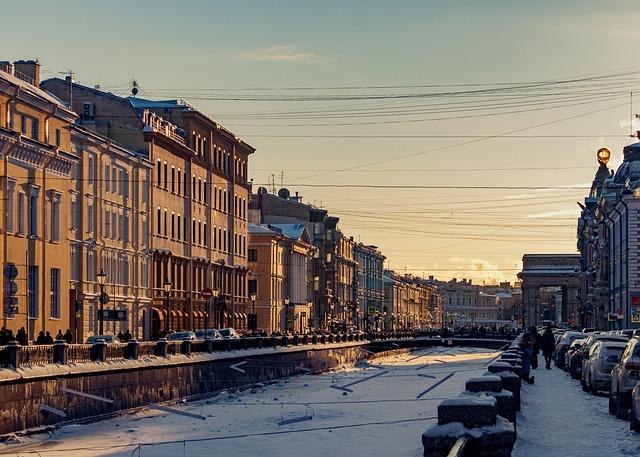
foreign Minister Maria Malmer Stenergard contends that a critical assessment of Russia’s international behavior must prioritize its tangible actions over its declarations. Despite the Kremlin’s attempts at portraying a peaceful diplomatic front, the persistent pattern of military engagements and geopolitical maneuvering reveals a stark contradiction. Through military interventions in Ukraine and Syria, along with aggressive posturing in the Baltic region, Russia’s real intentions and the extent of its global ambitions become evident. This inconsistency necessitates an analytical shift that looks beyond mere rhetoric to gauge the true implications of Russia’s policies on the global stage.
the implications of Russia’s actions are far-reaching. Key elements warrant attention include:
- Military Aggression: Ongoing conflict in Ukraine and threats to neighboring countries.
- Disinformation Campaigns: Persistent efforts to influence elections and undermine democracies.
- Energy Leverage: Utilizing natural resources as a political tool against European nations.
In light of these factors,it becomes essential for global leaders and policymakers to adopt a unified stance that not only condemns Russia’s actions but also holds it accountable on international platforms. Failing to do so may embolden further aggressive pursuits that destabilize the fragile geopolitical landscape.
The Importance of Accountability in International Relations

In the realm of global diplomacy, the concept of accountability becomes crucial as it underscores the need for nations to stand by their actions rather than merely their rhetoric. Sweden’s Foreign Minister, Maria Malmer Stenergard, emphasizes that the true measure of a state’s commitment to international norms lies in its behavior, particularly when scrutinizing Russia’s recent activities. By shifting the focus from statements to actions, the international community is better positioned to uphold the integrity of international law and foster a climate where aggression is punished, not tolerated.
Accountability serves several vital functions in international relations, including:
- Deterring Aggression: When nations are held accountable for their actions, the likelihood of engaging in opposed behavior diminishes.
- Promoting Transparency: Effective accountability mechanisms encourage openness and exchange of details between states.
- Strengthening Alliances: Countries that are committed to holding aggressors accountable foster stronger, trust-based relationships with allies.
Ultimately, a coherent strategy for assessing accountability not only acknowledges the discrepancies between words and deeds but also seeks to correct them, thereby reinforcing a rules-based international order.
Statements vs. Actions: The Dichotomy in Russian Diplomacy

The distinction between words and actions is particularly crucial in the realm of Russian diplomacy. As Sweden’s Foreign Minister Maria Malmer Stenergard asserts, assessing Russia’s intentions through its actions provides a clearer picture than merely analyzing its statements. This perspective emerges from a pattern where official declarations often clash with on-ground realities. As a notable example, Russia’s diplomatic engagements frequently encompass promises of peace and cooperation, yet are frequently enough overshadowed by military maneuvers and strategic alliances that promote aggression. The manipulation of rhetoric enables the Kremlin to maintain a façade of diplomacy while pursuing objectives that can lead to destabilization in various regions.
To understand this dichotomy better, consider the following points regarding recent Russian diplomatic behaviors:
- Military Operations: Ongoing military activities in Ukraine contradict peace-promoting pronouncements.
- International Partnerships: Alliances with nations that share anti-Western sentiments often counteract claims of seeking global cooperation.
- Cyber Activities: Cyber initiatives attributed to Russian actors facilitate disinformation campaigns, reflecting ulterior motives beneath ostensibly diplomatic communications.
Ultimately, the need for a rigorous critique of Russia’s actual international conduct versus its verbal commitments becomes imperative for global stakeholders. As Sweden emphasizes the importance of evaluating Russia through its actions, it calls for a more nuanced understanding among nations navigating a complex geopolitical landscape.
Swedens Stance on Russia: A Call for Consistency in Policy

In a decisive reaffirmation of sweden’s foreign policy,Foreign Minister Maria Malmer Stenergard emphasized the need for a principled approach towards Russia,aligning actions with firm diplomatic standards. In her recent remarks, she outlined that Russia’s history of aggression necessitates that international responses be grounded in tangible outcomes rather than mere rhetoric.The Swedish government calls for a collective and systematic approach among European nations to ensure that actions speak louder than words.She highlighted the importance of establishing a clear framework to evaluate Russia’s intentions and behavior, advocating for a unified stance that emphasizes the principles of sovereignty and international law.
To further cement this vision, Stenergard proposed a series of strategic measures aimed at fostering consistency in policy across the European Union. Key elements of this strategy include:
- Enhanced Sanctions: Implementing and solidifying economic sanctions targeting specific sectors of the Russian economy.
- Diplomatic Cohesion: Coordinating diplomatic outreach among EU member states to present a united front.
- support for Ukraine: Increasing military and humanitarian aid to bolster Ukraine’s defenses against aggression.
This approach not only seeks to hold Russia accountable for its actions but also aims to strengthen the resilience of European nations against future threats. Stenergard insists that a clear, consistent policy will ultimately contribute to long-term stability and peace in the region.
Building International Coalitions Against Aggressive Behavior

In the face of evolving geopolitical tensions, the necessity for building international coalitions becomes increasingly critical. nations aligning against aggressive actions must prioritize collaboration over complacency, ensuring that collective security measures are robust and effective. Key strategies include:
- Strengthening diplomatic ties: Countries must engage in proactive diplomacy to foster mutual understanding and coordinate responses.
- Implementing economic sanctions: Coordinated sanctions can serve as a powerful deterrent against states that engage in hostile actions.
- Enhancing military readiness: Joint military exercises and defense agreements contribute to a unified front in response to potential threats.
- promoting shared values: By advocating for democracy, human rights, and international law, nations can create a common narrative that opposes aggression.
Furthermore, the establishment of multilateral platforms for dialog and action is indispensable. These forums allow member states to address conflicts collaboratively and hold aggressors accountable. Below is a table outlining some notable coalitions that exemplify these principles:
| Coalition Name | Year Established | Focus Areas |
|---|---|---|
| NATO | 1949 | Collective defense, crisis management |
| EU Sanctions Coalition | 2014 | Economic sanctions against aggressors |
| Quad Alliance | 2020 | Indo-Pacific security, regional stability |
These coalitions are not merely advantageous, but essential for maintaining geopolitical stability and countering threats from nations like Russia. The commitment to collective action reflects the understanding that decisive measures can deter further aggressiveness and safeguard global peace.
Steps Forward: Recommendations for a More Effective Global response
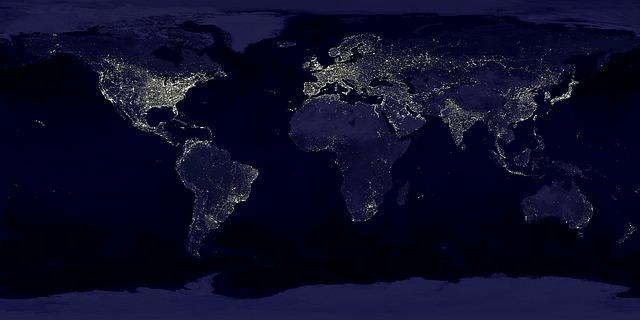
To enhance the global response to Russia’s actions, it is crucial to foster unity and clarity among allied nations. The international community must prioritize the following strategies:
- Strengthen Diplomatic Channels: Reinforce existing alliances through regular consultations and coordinated diplomacy to present a united front.
- Enhance Economic Sanctions: Implement targeted sanctions that hold accountable those responsible for aggressive actions while minimizing humanitarian impacts.
- Promote Transparency: Encourage open dialogues regarding military movements and intentions to dispel misinformation and reduce tensions.
- Support Civil Society: Fund initiatives that promote democracy, human rights, and the rule of law within Russia and the surrounding regions.
Moreover, international organizations should adapt their frameworks to address emerging security challenges posed by Russia. Effective strategies include:
| Strategy | Description |
|---|---|
| Global Defense Collaborations | Form strategic partnerships to enhance military readiness and deterrence. |
| Intelligence Sharing | Facilitate real-time intelligence exchanges to anticipate threats more effectively. |
| Digital Security Initiatives | Collaborate on cybersecurity measures to protect critical infrastructure. |
| Humanitarian Assistance | Provide support to affected populations while clearly communicating the motives behind interventions. |
To Conclude
Foreign Minister Maria malmer Stenergard’s emphasis on evaluating Russia through its actions rather than its rhetoric underscores a critical perspective in contemporary international relations. As geopolitical tensions escalate, her remarks serve as a reminder for the global community to remain vigilant and discerning when interpreting statements from state actors. Sweden’s stance reflects a broader call for accountability and integrity in international dealings, urging a rigorous examination of policies rather than mere verbal commitments. As nations navigate the complex landscape shaped by Russia’s recent conduct, the importance of aligning words with deeds becomes increasingly paramount in fostering a stable and just international order.