Operation Allied Force: NATO’s 1999 Air Campaign and Its Enduring Impact on Military Intervention and International Diplomacy
In March 1999, NATO initiated a controversial aerial offensive against the Federal Republic of Yugoslavia, marking a pivotal moment in post-Cold War global affairs. Dubbed Operation Allied Force, this military intervention was notable for proceeding without explicit endorsement from the United Nations Security Council—a rare move that sparked widespread debate. The campaign aimed primarily to halt severe human rights violations in Kosovo, where ethnic Albanians faced systematic violence amid escalating conflict. Beyond its immediate tactical effects, the airstrikes triggered profound discussions about state sovereignty, humanitarian responsibility, and the evolving role of military alliances in addressing crises beyond their traditional scope. This article delves into NATO’s intervention by examining its historical context, strategic execution, and lasting influence on international norms governing conflict resolution.
Reshaping Southeast Europe: NATO’s Strategic Role and Regional Consequences
The late 1990s saw Southeast Europe embroiled in ethnic conflicts that destabilized the region for years—most notably during Bosnia’s brutal war earlier in the decade. Against this backdrop, NATO stepped into Kosovo following alarming reports of ethnic cleansing campaigns orchestrated by Serbian forces under Slobodan Milošević’s leadership targeting Kosovar Albanians. Launching sustained air raids starting March 24th, 1999, NATO sought to pressure Belgrade into halting hostilities and engaging diplomatically toward peace negotiations.
This operation stirred intense international controversy due to its circumvention of UN authorization—a decision some critics argued undermined established international legal frameworks protecting national sovereignty. Supporters countered that urgent humanitarian imperatives justified decisive action when multilateral institutions failed to act promptly.
The aftermath extended well beyond battlefield outcomes:
- Kosovo’s contested independence: Declared independent nearly a decade later (2008), Kosovo has since gained recognition from over 100 UN member states but remains opposed by Serbia and allies such as Russia.
- NATO’s expanded presence eastward: Post-conflict stabilization efforts led to increased Western military deployments across Eastern Europe—heightening tensions with Moscow concerned about encroachment near Russian borders.
- Evolution of intervention doctrines: The campaign influenced future coalition strategies emphasizing rapid deployment combined with precision strikes designed to minimize civilian harm.
These developments have left an indelible mark on Balkan geopolitics while fueling ongoing debates about balancing respect for national sovereignty with international obligations toward human rights protection.
Long-Term Socioeconomic Disruptions and Political Shifts Following NATO Bombings
While intended as a protective measure against mass atrocities, NATO’s bombing campaign inflicted significant damage on Yugoslavia’s infrastructure and social fabric—effects reverberating decades later throughout Kosovo and neighboring areas. The conflict exacerbated interethnic tensions between Serbs and Albanians; nationalist rhetoric intensified as political groups exploited wartime grievances to consolidate power domestically—complicating efforts at reconciliation vital for regional stability.
Economically:
- Infrastructure devastation: Vital transportation networks including railways and highways were heavily targeted during airstrikes.
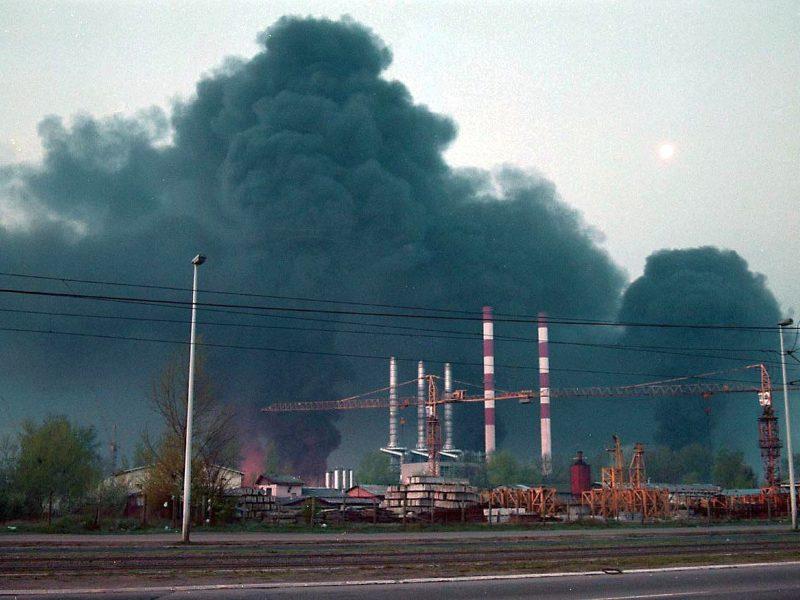
- Energy sector disruptions: Bombing damaged key power plants causing prolonged blackouts that affected both civilian life and industrial output.
- Educational setbacks: Numerous schools suffered destruction or closure amid hostilities disrupting education for thousands of children.
Additionally, ongoing sanctions imposed after the conflict hindered economic recovery while foreign peacekeeping missions introduced complex governance dynamics sometimes perceived locally as infringements upon sovereignty.
Modern Lessons from Yugoslav Conflict Resolution: Toward More Effective Peacebuilding Strategies
Contemporary conflict management increasingly recognizes that sustainable peace requires approaches sensitive not only to geopolitical realities but also deeply rooted cultural contexts within affected communities. Prioritizing diplomatic engagement over military force remains essential; rebuilding trust among former adversaries forms the cornerstone of durable agreements.
Innovative tools such as facilitated dialogues mediated by neutral third parties have proven more effective than unilateral interventions alone—encouraging stakeholders to address root causes rather than merely containing symptoms of discord. This principle is gaining traction worldwide across diverse dispute resolution frameworks.
Equally critical is swift humanitarian response during active conflicts, which includes:
- The empowerment of NGOs alongside international agencies ensures timely aid delivery;
- The adoption of inclusive governance models integrates local voices into decision-making;
- The incorporation of indigenous knowledge enriches reconciliation processes;
Such comprehensive strategies demonstrate how empathy combined with collaboration fosters environments conducive not only to recovery but also long-term coexistence.
Reflecting on interventions like Operation Allied Force underscores that enduring solutions emerge when shared humanity guides policy amidst complex geopolitical challenges.
Conclusion: Assessing NATO’s Legacy Amid Contemporary Challenges in Global Peacekeeping
NATO’s 1999 air campaign against Yugoslavia remains a landmark case illustrating both ethical dilemmas inherent in humanitarian interventions and practical obstacles facing multinational coalitions today. Driven by an urgent imperative to protect civilians caught amid entrenched ethnic conflicts, this operation reshaped perceptions regarding global powers’ responsibilities beyond their borders.
Nevertheless, questions linger concerning legitimacy when bypassing traditional bodies like the United Nations—and whether such precedents risk undermining respect for state sovereignty internationally.
Viewed through today’s lens shaped by renewed East-West rivalries—including Russia’s invasion of Ukraine—the episode highlights how navigating these intricate dynamics demands balancing assertive protective measures with steadfast commitment toward dialogue-driven resolutions.
Ultimately, understanding these historical lessons equips policymakers confronting current multifaceted crises—from Ukraine’s ongoing warfronts to emerging hotspots worldwide—with insights emphasizing cooperation grounded firmly within justice, diplomacy ,and mutual respect essential for achieving lasting global peace.