Hungary possesses a range of viable alternative energy sources, yet continues to maintain a heavy reliance on Russian supplies, according to a recent report by the Atlantic Council. Despite opportunities to diversify its energy portfolio and align with broader European efforts to reduce dependence on Moscow, Budapest’s energy strategy remains closely tied to Russian imports. This approach raises critical questions about Hungary’s energy security and geopolitical positioning amid ongoing regional tensions and calls for a transition to cleaner, more autonomous energy options.
Hungary’s Energy Landscape and the Overlooked Potential of Renewables
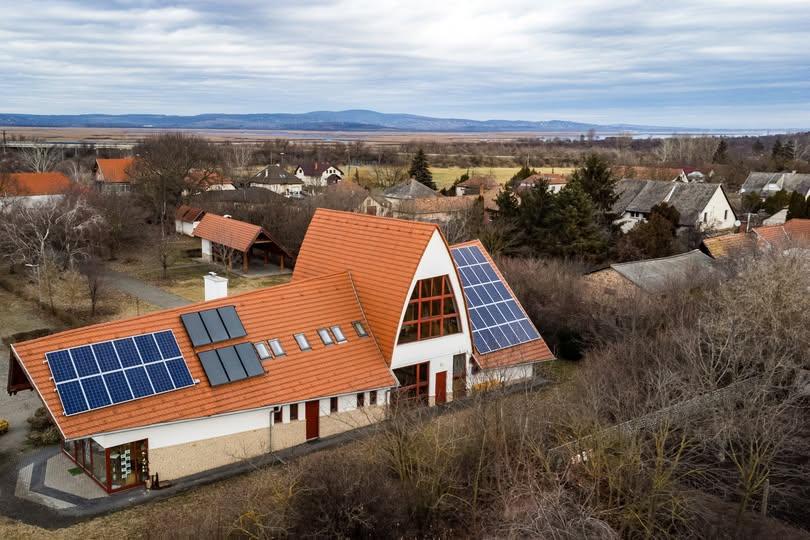
Despite possessing a diversified portfolio of renewable energy resources, Hungary’s energy strategy remains heavily skewed towards traditional imports from Russia. The country’s abundant solar radiation, substantial biomass resources, and growing wind capacity represent significant yet underutilized avenues for reducing dependence on external fossil fuels. While neighboring nations aggressively push for green energy integration, Hungary’s policy framework continues to prioritize nuclear and natural gas imports, largely sourced from Moscow, raising concerns about long-term energy security and geopolitical vulnerabilities.
Key renewable opportunities Hungary could capitalize on include:
- Solar power: High potential in southern regions with existing infrastructure expansion plans.
- Biomass: Leveraging extensive agricultural waste to generate sustainable energy.
- Wind energy: Emerging projects indicate capacity for growth with modern turbines.
| Energy Source | Current Share (%) | Potential Growth (%) |
|---|---|---|
| Solar | 7 | 25 |
| Biomass | 6 | 18 |
| Wind | 2 | 15 |
| Natural Gas (Russia) | 45 | – |
The data underscores that boosting renewables could significantly diversify Hungary’s energy mix, reducing reliance on imported fuels and enhancing environmental sustainability.
The Strategic Risks of Dependence on Russian Energy Supplies
Hungary’s persistent reliance on Russian energy imports places its national energy security at considerable risk, especially amid geopolitical tensions and uncertain supply disruptions. While the country technically has access to a variety of alternative energy sources, the strategic calculus appears to favor short-term economic convenience over long-term resilience. This dependency not only limits Hungary’s bargaining power on the international stage but also exposes its economy to price volatility and supply manipulation, challenges that could be mitigated through diversification.
Key risks emerging from this dependence include:
- Geopolitical leverage: Russia’s ability to influence Hungary’s foreign and domestic policies via energy supply constraints.
- Market vulnerability: Exposure to rapid energy price surges affecting industrial and consumer sectors.
- Infrastructure inflexibility: Limited development of alternative energy infrastructure and technology adoption.
- Environmental concerns: Overreliance on fossil fuels hinders Hungary’s climate goals and EU energy transition commitments.
| Energy Source | Current Usage in Hungary | Potential for Expansion | Geopolitical Risk |
|---|---|---|---|
| Russian Natural Gas | ~80% | Low | High |
| Renewables (solar, wind) | ~10% | High | Low |
| Nuclear Energy | ~15% | Moderate | Moderate |
| Liquefied Natural Gas (LNG) | ~5% | High | Low |
Policy Recommendations for Diversifying Hungary’s Energy Portfolio
To break Hungary’s heavy dependency on Russian energy supplies, policymakers must prioritize a robust expansion of renewable energy infrastructure. This involves significantly increasing investments in solar, wind, and geothermal projects, paired with modernizing the national grid to handle intermittent power sources efficiently. Strategic partnerships with EU member states could also facilitate the transfer of technology and best practices, accelerating Hungary’s transition towards a more resilient and diversified energy mix.
Furthermore, targeted incentives for energy efficiency and local innovation should be implemented to reduce overall consumption and stimulate domestic energy production. Below is a concise overview of key policy measures that could pivot Hungary’s energy strategy:
- Expand renewable energy capacity with clear grid integration plans
- Introduce tax incentives for green energy startups
- Enhance energy storage solutions to balance supply fluctuations
- Strengthen cross-border interconnections within the EU energy market
- Implement stringent energy efficiency standards for industries and housing
| Policy Area | Current Status | Recommended Action |
|---|---|---|
| Renewable Capacity | 10% of total energy | Increase to 40% by 2030 |
| Grid Infrastructure | Outdated, limited flexibility | Modernize and digitize |
| Cross-Border Links | Low interconnection levels | Expand regional energy ties |
In Conclusion
As Hungary continues to balance its energy needs amid shifting geopolitical landscapes, the country’s decision to prioritize Russian energy supplies over its available alternative options raises critical questions about its long-term energy security and alignment within the European energy transition. While renewable sources and diversification efforts present viable paths forward, Hungary’s current reliance underscores the complexities facing nations striving to reconcile economic, political, and strategic interests in an increasingly volatile energy market. The coming years will be pivotal in determining whether Hungary embraces a more sustainable and autonomous energy future or remains tethered to traditional, and often contentious, energy partnerships.