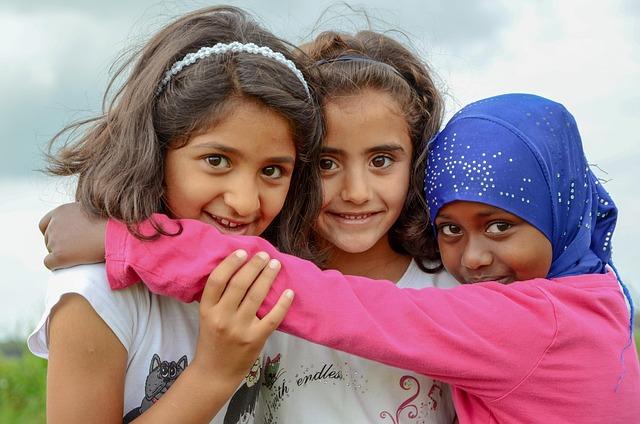
Alternative Care of Refugee Children in the Czech Republic: UNICEF Steps In
As the Czech Republic continues to receive an increasing number of refugee children fleeing conflict and instability, the challenge of providing safe and adequate alternative care has never been more urgent. UNICEF is actively working to address the complex needs of these vulnerable minors, who often arrive separated from their families or without adequate support systems. This article explores the current state of alternative care for refugee children in the Czech Republic, highlighting UNICEF’s pivotal role in ensuring protection, access to services, and integration within local communities. With rising numbers and evolving legal frameworks, the situation calls for coordinated efforts to safeguard the rights and well-being of every child seeking refuge.
Challenges in Providing Alternative Care for Refugee Children in the Czech Republic
The Czech Republic faces significant obstacles when ensuring suitable alternative care for refugee children displaced by conflict and persecution. One primary challenge is the limited availability of culturally sensitive foster families and care centers equipped to support the unique psychological and social needs of these vulnerable children. Language barriers, coupled with a lack of specialized training among caregivers, often hinder effective communication and integration efforts. Additionally, the bureaucratic complexities in processing asylum applications and care placements delay access to safe, stable environments, increasing the risk of social isolation and mental health struggles for refugee minors.
Key difficulties include:
- Insufficient foster care infrastructure adapted for refugee children
- Gaps in trauma-informed care and psychological support services
- Legal restrictions affecting the guardianship and placement processes
- Challenges in inter-agency coordination and resource allocation
| Challenge | Impact | Response Status |
|---|---|---|
| Language Barriers | Miscommunication, delayed care | Partial |
| Limited Foster Families | Overcrowded facilities | Ongoing |
| Legal Care Restrictions | Placement delays | Needs improvement |
| Inadequate Trauma Support | Mental health risks | Scarce |
Innovative Programs Led by Unicef Addressing Refugee Child Welfare
In the heart of Europe, UNICEF has pioneered programs that redefine the landscape of alternative care for refugee children, adapting innovative practices tailored to the unique challenges faced by this vulnerable population in the Czech Republic. By collaborating closely with local authorities and community organizations, the initiatives emphasize not just protection, but also empowerment. Key components include:
- Foster Care Networks: Expanding family-based care options to ensure safe, nurturing environments.
- Specialized Training for Caregivers: Providing trauma-informed support methodologies to better understand and address refugee children’s experiences.
- Legal Aid Access: Facilitating easier navigation through asylum and residency procedures for families and guardians.
These strategies are supported by ongoing monitoring and data-driven adjustments, allowing UNICEF to respond dynamically to emerging needs. The following table highlights key outcomes observed within the first year of program implementation:
| Indicator | Baseline | 12 Months | Improvement |
|---|---|---|---|
| Children Placed in Foster Care | 120 | 350 | 191% |
| Caregiver Training Sessions | 0 | 15 | New Program |
| Legal Assistance Cases | 50 | 200 | 300% |
Policy Recommendations to Enhance Support Systems for Refugee Children
To strengthen the network surrounding refugee children in the Czech Republic, a multi-tiered approach is essential. Policymakers must prioritize accessible language support services within healthcare, education, and legal frameworks to ensure children can communicate their needs effectively. Enhancing cultural sensitivity training for social workers and educators will also foster a more inclusive environment that recognizes the diverse backgrounds of refugee families. Moreover, partnerships between governmental agencies, NGOs, and community organizations should be expanded to create seamless referral pathways and reduce bureaucratic obstacles.
Investments in alternative and family-based care options are critical, especially those that encourage foster placements with culturally and linguistically congruent families. Such care not only provides stability but also nurtures emotional well-being. The following priorities should guide reforms:
- Implement standardized protocols for age assessment that respect the dignity of each child
- Increase funding for trauma-informed psychological support tailored to refugee experiences
- Develop community-based mentorship programs to integrate children into local social networks
- Regularly monitor care placements to ensure quality and safety standards
| Policy Area | Key Action | Expected Outcome | |||||||
|---|---|---|---|---|---|---|---|---|---|
| Language Access | Deploy trained interpreters in all child-related services | Improved communication and service uptake | |||||||
| Foster Care | Recruit foster families with cultural competence |
To strengthen the network surrounding refugee children in the Czech Republic, a multi-tiered approach is essential. Policymakers must prioritize accessible language support services within healthcare, education, and legal frameworks to ensure children can communicate their needs effectively. Enhancing cultural sensitivity training for social workers and educators will also foster a more inclusive environment that recognizes the diverse backgrounds of refugee families. Moreover, partnerships between governmental agencies, NGOs, and community organizations should be expanded to create seamless referral pathways and reduce bureaucratic obstacles. Investments in alternative and family-based care options are critical, especially those that encourage foster placements with culturally and linguistically congruent families. Such care not only provides stability but also nurtures emotional well-being. The following priorities should guide reforms:
|