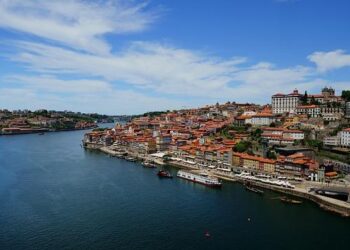
Portugal stands at a critical crossroads, as calls for a fresh political and economic strategy grow louder across the nation. In a recent statement, the Movement for a New Vision for Unity (MVNU) underscored the urgent need for Portugal to redefine its path amid ongoing challenges such as economic stagnation, social inequality, and shifting geopolitical dynamics. This article explores the MVNU’s proposals and the wider implications for the country’s future direction.
Portugal Faces Economic Challenges Demanding Comprehensive Strategic Reforms
Portugal’s economic landscape is confronting significant hurdles as stagnating growth and rising public debt threaten long-term stability. Addressing these issues requires a multifaceted approach that prioritizes innovation, structural efficiency, and enhanced international competitiveness. Experts emphasize the urgency of reforming taxation policies, labor markets, and public administration to unlock sustainable economic potential. Without decisive action, Portugal risks falling behind in the rapidly evolving global economy, where agility and adaptability are key to prosperity.
A strategic roadmap should include:
- Fiscal consolidation: Streamlining public spending while creating space for targeted investments.
- Labor market reforms: Promoting flexibility and skill development to reduce unemployment.
- Innovation incentives: Supporting startups and tech-driven sectors to diversify the economy.
- Infrastructure upgrades: Improving digital connectivity and transportation networks.
| Key Challenge | Impact | Proposed Measure |
|---|---|---|
| High Public Debt | Limits fiscal flexibility | Debt restructuring and budgetary discipline |
| Youth Unemployment | Hinders social mobility | Vocational training and apprenticeship programs |
| Low Productivity | Reduces global competitiveness | Investment in technology and education |
Addressing Social Inequality and Infrastructure Gaps Key to Sustainable Growth
Bridging the Socioeconomic Divide: Portugal’s path to durable prosperity hinges on confronting entrenched social inequalities. Despite economic advancements, disparities in income, education, and healthcare access remain stark, disproportionately affecting rural and marginalized communities. Closing this gap requires targeted investment in social programs, inclusive policies, and community-driven initiatives that promote equal opportunities. Equitable growth isn’t just a moral imperative-it is essential for stimulating a more dynamic and resilient economy.
Modernizing Infrastructure for Future Competitiveness: Alongside social reforms, addressing infrastructure shortfalls is critical. Aging transport networks, inconsistent digital connectivity, and inadequate public services hamper productivity and limit regional development. Prioritizing infrastructure modernization can unlock economic potential, attract investment, and support innovation across sectors. Key focus areas include:
- Expanding high-speed internet access, especially in underserved zones
- Upgrading road and rail systems to improve mobility and logistics
- Enhancing renewable energy infrastructure to meet sustainability goals
| Infrastructure Area | Current Status | Projected Impact |
|---|---|---|
| Digital Connectivity | 67% nationwide coverage | Boost remote work & education access |
| Transportation | 60% modernized | Reduce commute times, enhance trade |
| Renewable Energy | 40% of total energy mix | Lower emissions, energy independence |
MVNU Advocates for Innovation-Driven Policies and Increased International Collaboration
Modern challenges demand a bold rethinking of Portugal’s economic strategies. MVNU urges policymakers to prioritize innovation as the cornerstone for sustainable growth, emphasizing that only through a proactive approach toward technology and research can the nation retain its competitive edge. This includes fostering startup ecosystems, incentivizing R&D investments, and supporting education systems aligned with emerging industries. Without a decisive pivot toward innovation-driven policies, Portugal risks stagnation in a rapidly evolving global market.
International collaboration is equally crucial. MVNU highlights the importance of building stronger alliances across borders to accelerate knowledge exchange, attract foreign investment, and participate actively in transnational projects. Through partnerships that:
- Enhance joint research initiatives
- Promote shared technological development
- Facilitate talent mobility and exchange programs
- Encourage harmonized regulatory frameworks
Portugal can leverage global momentum to catapult itself into a new era of prosperity and innovation.
| Policy Focus | Expected Impact |
|---|---|
| Increased R&D Funding | Boost in high-tech startups and patents |
| Cross-border Innovation Hubs | Accelerated technology transfer and networking |
| Education-Industry Collaboration | Workforce aligned with future market demands |
Wrapping Up
As Portugal stands at a critical crossroads, the call from MVNU for a new direction underscores the urgent need for reforms that address economic challenges, social inequalities, and governance issues. Whether policymakers will heed this warning remains to be seen, but the conversation sparked by MVNU is a clear sign that the status quo is no longer sustainable. The coming months will be crucial in determining the path Portugal chooses-and the future that awaits its citizens.