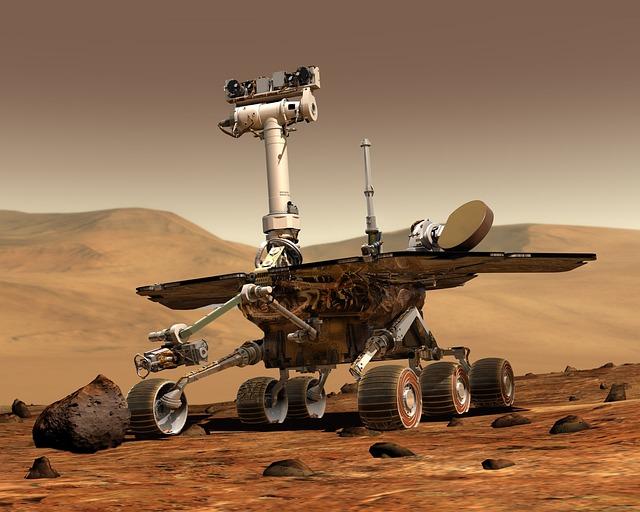
A pioneering Maltese space research company has announced ambitious plans to establish a digital archive on the Moon, aiming to preserve vital information beyond Earth’s boundaries. The initiative, which has captured international attention, seeks to leverage lunar technology to safeguard humanity’s knowledge for future generations. This bold project underscores Malta’s growing role in the global space industry and highlights the increasingly innovative approaches to data preservation.
Maltese Space Research Company Aims to Establish First Digital Archive on the Moon
A Maltese space research firm is breaking new ground by planning to create the first-ever digital archive on the Moon, aiming to preserve human knowledge and culture beyond Earth. This ambitious project seeks to develop a resilient, high-capacity data repository capable of withstanding the extreme lunar environment. By leveraging advanced nanotechnology and radiation-resistant materials, the archive will safeguard critical information such as scientific discoveries, historical records, and artistic expressions for future generations and extraterrestrial explorers.
The initiative also promises to open new frontiers in interplanetary data storage, with a multidisciplinary team spearheading research in data compression, AI-based information retrieval, and sustainable power solutions. Key features of this lunar archive include:
- Durability: Engineered for long-term preservation without human maintenance
- Accessibility: Remote data access from Earth and lunar bases
- Scalability: Designed to expand as humanity’s repository of knowledge grows
| Feature | Description | Benefit |
|---|---|---|
| Radiation Shielding | Protects data from solar and cosmic radiation | Ensures long-term integrity of stored information |
| Thermal Control | Maintains archive stability amid lunar temperature extremes | Prevents data degradation and hardware failure |
| Autonomous Power | Solar-powered energy systems | Enables self-sustaining operation on the Moon |
Innovative Technology and Challenges Behind Lunar Data Storage Explained
Deploying a digital archive on the lunar surface demands cutting-edge technology capable of enduring extreme conditions. The Maltese company spearheading this project has developed a custom-designed storage medium that can withstand drastic temperature fluctuations, intense radiation, and micrometeorite impacts. Utilizing robust materials combined with novel encoding methods, the archive is engineered to preserve vast amounts of data for centuries without degradation. Innovative energy-efficient systems will power the storage device, ensuring continuous operation despite the Moon’s harsh environment and lack of atmosphere.
However, the mission faces considerable challenges beyond hardware resilience. Data transmission poses significant hurdles, with signal delays and cosmic interference complicating communication. Additionally, safeguarding the digital archive against potential lunar dust contamination and mechanical wear demands meticulous engineering. The project team is addressing these obstacles by integrating:
- Redundant data architectures to prevent loss
- Advanced error-correction algorithms tailored for cosmic radiation
- Self-healing coatings to repel dust particles
| Challenge | Technological Solution |
|---|---|
| Extreme Temperature Variations | Thermal insulation & adaptive materials |
| Data Transfer Delays | Optimized communication protocols |
| Radiation Exposure | Radiation-hardened storage cells |
Experts Advocate for International Collaboration to Preserve Humanity’s Digital Heritage
In a bold vision to safeguard humanity’s collective knowledge, a Maltese space research company is pioneering efforts to establish a digital archive on the Moon. This initiative aims to create an indelible repository beyond Earth’s vulnerable environment, ensuring that vital cultural, scientific, and historical data remain accessible for future generations. Experts emphasize that such a project is not just a technological feat but a crucial step toward the preservation of civilization’s digital legacy amid growing concerns of data loss from cyber threats, natural disasters, and technological obsolescence.
Leading voices in the field stress the need for international cooperation to maximize the archive’s potential and safeguard global heritage. Key elements highlighted include:
- Standardized data formats to ensure universal accessibility.
- Shared governance models fostering transparency and equitable access.
- Long-term maintenance strategies that transcend political and geographical boundaries.
| Feature | Purpose | Benefit |
|---|---|---|
| Radiation-hardened storage | Protection against lunar environment hazards | Data longevity |
| Modular architecture | Expandable capacity and easy upgrades | Future-proofing |
| Encrypted data transmission | Secure transfer from Earth | Data integrity |
In Retrospect
As Malta positions itself at the forefront of space innovation, the ambitious plan to establish a digital archive on the Moon underscores the nation’s growing commitment to advancing scientific research and preserving human knowledge beyond Earth. With this pioneering project, the Maltese space company not only aims to leave a lasting legacy on the lunar surface but also to inspire future generations to reach for the stars. As details continue to unfold, the world will be watching closely to see how this bold initiative unfolds in the coming years.
![@!*【LIVESTREAMS】FREE] Malta vs Andorra Live Free – 大分トリニータオフィシャルサイト](https://europ.info/wp-content/uploads/2026/10/3076119-【livestreams】free-malta-vs-andorra-live-free-大分トリニータオフィシャルサ-350x250.jpg)