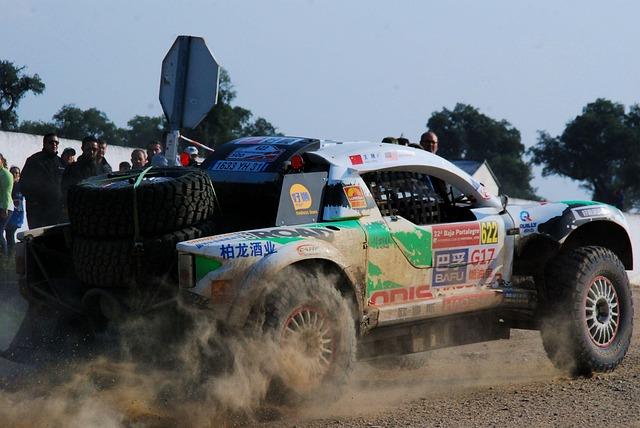
Rally Portugal has been handed a suspended fine of €15,000 following a controversial tow truck incident during the recent event, DirtFish reports. The reprimand comes after race officials investigated the circumstances involving the unauthorized use of recovery vehicles, which raised concerns over safety and regulatory compliance. This decision marks a significant moment in the ongoing efforts to enforce strict operational standards within the World Rally Championship.
Rally Portugal Faces Suspended Fine Over Controversial Tow Truck Operation
The FIA has imposed a €15,000 suspended fine on the organizers of Rally Portugal following scrutiny over their controversial use of tow trucks during the recent event. The incident sparked debate after several teams raised concerns about the safety and regulatory compliance of the recoveries conducted. While no immediate penalties affected the race standings, the governing body emphasized the importance of adhering to strict protocols to maintain fair competition and participant safety.
Key points highlighted by the FIA investigation include:
- Improper positioning of tow trucks in restricted zones
- Delay in communicating recovery operations to race control
- Potential risks posed to both crews and spectators
Despite the contested nature of the incident, the fine was suspended, allowing Rally Portugal’s organizers to avoid an immediate financial penalty. However, future infractions could trigger full repayment, making this a crucial warning for upcoming events. The FIA has urged all rally organizers to review and tighten their recovery protocols before the next round in the championship calendar.
| Aspect | Issue Identified | FIA Recommendation |
|---|---|---|
| Tow Truck Placement | In restricted access areas | Designated safe zones only |
| Communication | Delayed updates to control | Real-time reporting protocols |
| Safety Measures | Inconsistent crew protections | Standardized safety equipment |
Implications of the Tow Truck Incident on Rally Safety Protocols
The recent tow truck incident in Rally Portugal has cast a spotlight on the need to enhance current safety protocols surrounding recovery operations during events. Organizers and regulatory bodies are now evaluating stricter guidelines to ensure that tow trucks and other recovery vehicles maintain clear communication channels and adhere to precise timing regulations to avoid interference with competing cars. This reassessment aims to minimize risks not only for drivers but also for marshals and service crews working closely on the stages.
Key measures under consideration include:
- Mandatory use of GPS tracking and real-time monitoring for all recovery vehicles
- Enhanced training programs focused on on-stage vehicle recovery procedures
- Clearer definitions of safe recovery zones and restricted access times
- Implementation of automatic warning systems linked to radio communications
| Aspect | Current Protocol | Proposed Changes |
|---|---|---|
| Vehicle Recovery Timing | Driver discretion with marshal approval | Fixed windows with real-time stage monitoring |
| Communication | Radio contact only | Integrated GPS and automated alerts |
| Training | Basic safety briefings | Specialized recovery and emergency protocols |
Recommendations for Strengthening Compliance and Preventing Future Penalties
To avoid recurring penalties like the recently suspended €15,000 fine, organizers of Rally Portugal must implement rigorous compliance measures. Establishing clear protocols for all service vehicles, including tow trucks, is essential to ensure they adhere strictly to event regulations and safety standards. This can be supported by enhanced training programs for operational staff and drivers, emphasizing the importance of regulatory compliance and the consequences of violations. Additionally, investing in real-time monitoring systems can help track vehicle movements, preventing unauthorized actions during critical moments of the rally.
Moreover, fostering transparent communication channels between event officials, teams, and service providers is crucial. Regular compliance audits and swift responses to any breaches will strengthen accountability. Below is a recommended checklist to bolster compliance efforts and mitigate the risk of future penalties:
- Pre-event compliance training for all service personnel
- Clear vehicle operation guidelines communicated and enforced
- Use of GPS tracking on all support vehicles
- Regular onsite compliance inspections during the rally
- Immediate corrective action protocols for any violations
| Compliance Area | Recommended Action | Expected Outcome |
|---|---|---|
| Staff Training | Mandatory sessions pre-event | Improved rule adherence |
| Vehicle Monitoring | GPS installed on all support vehicles | Reduced unauthorized movement |
| Communication | Daily briefings during rally | Enhanced awareness and coordination |
| Inspection | Random compliance audits | Early detection of breaches |
Wrapping Up
The decision to suspend the €15,000 fine highlights the complexities involved in managing safety and regulations within the high-stakes environment of rally racing. As Rally Portugal moves forward, organizers and teams alike will be closely monitoring the implementation of measures designed to prevent similar incidents. This development serves as a reminder of the ongoing challenges faced by event officials in balancing competitive integrity with strict adherence to safety protocols.