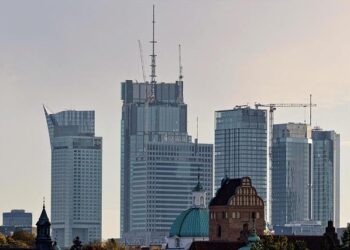
Poland has escalated its dispute with the European Union over the Mercosur trade agreement by taking legal action at the EU’s top court. The Polish government argues that the deal, struck between the EU and the South American trade bloc, risks undermining key environmental and social standards. This move marks a significant challenge to the EU’s trade policy, as member states increasingly voice concerns over the pact’s implications. Euronews reports on the latest developments and what this legal battle could mean for the future of EU trade relations.
Poland Challenges EU-Mercosur Trade Deal Over Environmental Concerns
Poland has officially taken legal action against the EU-Mercosur trade agreement, citing serious environmental risks
Key points raised by Poland include:
- Increased agricultural imports from Mercosur that may contribute to further degradation of fragile ecosystems.
- Insufficient mechanisms within the agreement to enforce sustainable practices or penalize environmental violations.
- A call for stronger climate protection clauses to align trade policies with the EU’s Green Deal objectives.
| Aspect | Poland’s Concern | EU-Mercosur Position |
|---|---|---|
| Deforestation | Risk of accelerated Amazon clearing | Commitment to sustainable development |
| Trade Enforcement | Lack of strict environmental penalties | Reliance on mutual trust and dialogue |
| Climate Goals | Agreement insufficient for Green Deal targets | Alignment claimed but with limited action |
Implications for EU Unity and Future Trade Negotiations
Poland’s legal challenge against the EU-Mercosur trade agreement signals deeper tensions within the bloc concerning internal consensus on trade policy. As member states diverge on priorities-ranging from environmental standards to economic interests-such disputes threaten to weaken the EU’s unified front in global trade talks. The fragmentation also raises questions about how effectively the European Commission can negotiate future agreements when significant political rifts remain unresolved.
Moving forward, the EU must reckon with balancing diverse national concerns without sacrificing its strategic objectives. Key implications include:
- Increased scrutiny of trade deals to accommodate environmental and social criteria.
- Heightened political negotiations before signing new agreements.
- Possible delays in ratification processes due to internal objections.
| Impact Area | Potential Outcome |
|---|---|
| EU Decision-Making | Slower consensus-building |
| Trade Negotiation Strategy | More cautious, with added safeguards |
| Global Perception | Seen as less cohesive |
Policy Recommendations for Balancing Economic Interests and Sustainability Goals
Striking a balance between driving economic growth and upholding sustainability commitments requires nuanced policy frameworks that prioritize transparency and enforceability. Policymakers must advocate for strict environmental standards within trade agreements to mitigate ecological damage while promoting fair access for domestic industries. Additionally, investing in green technologies and supporting small-scale farmers in both exporting and importing countries can reconcile Mercosur’s agricultural potential with EU environmental expectations.
Embedding sustainability goals into trade policy should also involve multi-stakeholder engagement to ensure that environmental, social, and economic interests are equally represented. The following strategies are essential in shaping policies that respect economic needs without compromising the planet:
- Mandatory sustainability clauses in trade agreements with clear benchmarks and penalties.
- Development of cross-sectoral monitoring bodies to ensure compliance and transparency.
- Financial incentives for companies adopting eco-friendly practices aligned with EU Green Deal targets.
- Support for innovation in sustainable agriculture, especially in Mercosur countries to improve competitiveness.
| Policy Focus | Economic Benefit | Sustainability Impact |
|---|---|---|
| Green Tech Subsidies | Job creation in high-tech sectors | Reduced carbon footprint |
| Mandatory Reporting | Improved market transparency | Better resource management |
| Export Diversification | Reduced reliance on commodities | Preservation of ecosystems |
| Capacity Building | Enhanced trade competitiveness | Adoption of sustainable practices |
Concluding Remarks
As Poland escalates its legal battle against the Mercosur trade agreement by taking the case to the European Union’s Court of Justice, the dispute underscores growing tensions within the bloc over trade policies and environmental concerns. The outcome of this lawsuit could have significant implications not only for EU trade relations with South America but also for the balance of power between member states and Brussels in shaping future agreements. Euronews will continue to monitor developments in this landmark case as it unfolds.