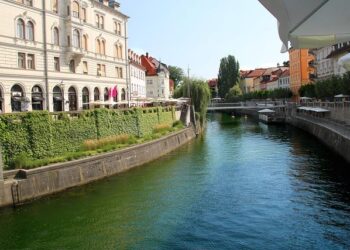
Slovenia is heading into a closely contested election that pits the country’s liberal forces against a resurgent populist right, underscoring deep political and social divisions. As voters prepare to head to the polls, the outcome remains uncertain, with both camps vying to shape Slovenia’s future amidst economic challenges and regional tensions. The election is being closely watched for its potential impact not only on domestic policies but also on Slovenia’s role within the European Union.
Slovenia Election Highlights Growing Divide Between Liberal and Populist Right Forces
The latest polls from Slovenia’s national elections reveal an intensifying battle between progressive liberals and populist right-wing groups, underscoring deep societal rifts. Voters appear sharply divided over key issues such as immigration, economic reforms, and the role of the EU. The liberal camp emphasizes strengthening democratic institutions and promoting social inclusion, appealing particularly to urban and younger demographics.
Conversely, the populist right leverages nationalist rhetoric and skepticism toward supranational entities, gaining traction in rural areas and among those concerned about cultural identity and economic uncertainty. Campaign strategies from both sides have increasingly focused on mobilizing their core bases, with messaging that highlights stark differences rather than common ground.
| Key Focus | Liberal Forces | Populist Right |
|---|---|---|
| Immigration | Open policies and integration | Strict controls and border security |
| Economic Approach | Support for green economy and innovation | Emphasis on traditional industries and protectionism |
| EU Relations | Pro-EU cooperation | EU skepticism and national sovereignty |
- Voter Turnout: Expected to be high amid polarized campaigns
- Key Battlegrounds: Urban centers vs. rural districts
- Potential Impact: Election results could reshape Slovenia’s political landscape for years
Key Issues Driving Voter Sentiment in Slovenia’s Closely Contested Race
Slovenian voters are deeply divided on several pivotal topics that are shaping the dynamics of this election. Economic concerns top the list, with substantial debate focused on inflation control and improving job opportunities amid lingering post-pandemic challenges. Many constituents express frustration over wage stagnation and rising living costs, issues that are fueling demand for urgent policy reforms. Climate change policy also holds significant weight among younger voters, who are pushing for greener initiatives and sustainable development as a cornerstone of the future government’s agenda.
Security and identity debates add an extra layer of complexity to the race, particularly with the populist right emphasizing stricter immigration controls and a reassertion of traditional cultural values. In contrast, liberal parties advocate for inclusive governance and stronger European Union integration, positioning themselves as defenders of democratic norms and human rights. Key concerns influencing voter decisions include:
- Economic recovery strategies aimed at boosting small businesses and technology sectors
- Balancing immigration policies while addressing national security
- Environmental commitments focusing on renewable energy and carbon reduction
- Social welfare reforms targeting healthcare and education improvements
| Issue | Liberal Stance | Populist Right Stance | |||
|---|---|---|---|---|---|
| Economic Growth | Investment in innovation and EU funds | Protect local industries and reduce foreign dependency | |||
| Immigration | Open, humanitarian approach |
| Issue |
Liberal Stance |
Populist Right Stance |
|
| Economic Growth | Investment in innovation and EU funds | Protect local industries and reduce foreign dependency | |||
| Immigration | Open, humanitarian approach | Strict controls and prioritizing national security | |||
| Climate Policy | Commitment to renewable energy and EU climate goals | Skeptical about strict environmental regulations | |||
| Social Welfare | Expand healthcare and education funding | Focus on traditional family values and targeted support |
Summary
Slovenian voters face a clear ideological divide:
- Liberal parties push for modernization through EU engagement, innovation-driven economic growth, humanitarian immigration policies, aggressive climate action, and expanded social welfare programs.
–
Strategies for Political Parties to Navigate Polarization and Appeal to Moderate Voters
In a deeply divided political landscape, parties looking to bridge the gap between ideological extremes must focus on crafting inclusive messages that resonate beyond their core base. Moderates often feel alienated by aggressive rhetoric, making calm, fact-based communication essential. Political leaders are advised to emphasize common values such as economic stability, social cohesion, and governance transparency, avoiding polarizing language that could further entrench divisions. Engaging grassroots organizations and local communities can also help parties regain trust and broaden their appeal by demonstrating commitment to practical, local solutions rather than abstract ideological battles.
Successful strategies include:
- Promoting policy pragmatism: Prioritize policies with cross-party support and tangible benefits.
- Enhancing voter education: Provide clear, accessible information about party platforms to demystify intentions.
- Building coalitions: Forge alliances with moderate factions and civil society groups to showcase unity.
| Strategy | Key Action | Target Outcome |
|---|---|---|
| Policy Pragmatism | Focus on economic and social issues | Attract moderate voters |
| Voter Education | Disseminate clear policy info | Improve voter trust |
| Coalition Building | Engage local and moderate groups | Expand political influence |
To Wrap It Up
As Slovenia’s election campaign enters its final days, the nation faces a pivotal decision between the pro-European liberal bloc and the populist right, amid growing political polarization. With polls indicating a closely contested race, the outcome will not only shape Slovenia’s domestic policies but also influence its role within the broader European Union. Observers both within and beyond Slovenia are watching closely as voters prepare to cast their ballots in what promises to be one of the country’s most consequential elections in recent history.