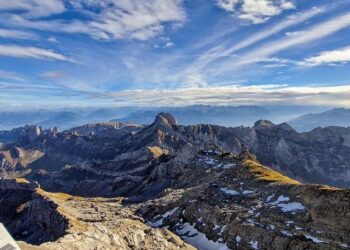
Switzerland has experienced a dramatic loss of its ice reserves, shedding approximately 20 percent of its glacier mass over the past five years, according to recent studies highlighted by Al Jazeera. This rapid decline underscores the accelerating impact of climate change on the Alpine region, raising urgent concerns about the future of water resources, ecosystems, and local communities. As glaciers continue to retreat at unprecedented rates, experts warn that the consequences will extend far beyond Switzerland’s borders, signaling a stark indicator of global environmental shifts.
Switzerland’s Rapid Ice Loss Signals Alarming Climate Shift
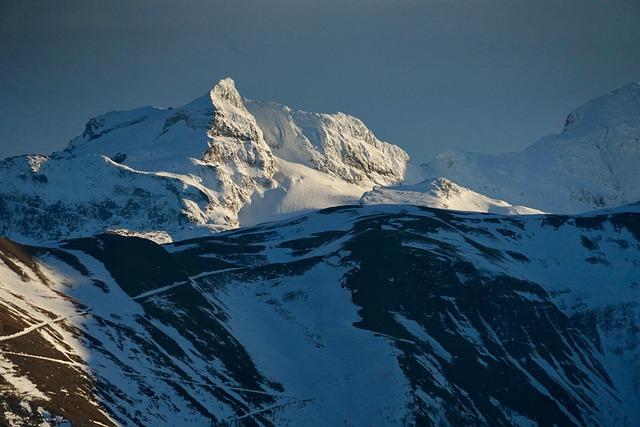
Switzerland’s glaciers, once emblematic of the country’s pristine alpine environment, have experienced an unprecedented decline. In just five years, comprehensive satellite data reveals a loss of nearly 20% of the total ice mass, a drastic indication of rising temperatures and altered precipitation patterns. This rapid retreat is not only reshaping the landscape but also threatening the ecosystems and water supplies downstream, which heavily depend on glacial meltwater during the summer months. The visible recession of these ice bodies highlights the tangible consequences of climate change in mountain regions long considered resilient.
Researchers emphasize several critical factors accelerating this ice loss:
- Increasing average temperatures: Alpine heatwaves are melting ice faster than snowfall can replenish it.
- Reduced winter snowfall: A shorter, milder winter limits accumulation, vital for glacier sustainability.
- Surface darkening: Deposits of soot and dust lower ice reflectivity, causing higher absorption of solar radiation.
The following table illustrates the ice volume reduction across key glacier basins between 2017 and 2022:
| Glacier Basin | 2017 Ice Volume (km³) | 2022 Ice Volume (km³) | % Loss |
|---|---|---|---|
| Rhône Glacier | 4.8 | 3.9 | 18.8% |
| Aletsch Glacier | 15.5 | 12.7 | 18.1% |
| Gorner Glacier | 9.2 | 7.3 | 20.7% |
Glacial Melting Impacts on Ecosystems and Water Resources
Switzerland’s rapid glacial decline has precipitated profound shifts in local ecosystems. Melting glaciers expose barren land previously locked beneath ice, leading to altered habitats and threatening alpine species adapted to cold environments. Flora and fauna face displacement, with some species forced to migrate to higher elevations, while others struggle to survive. This ecological upheaval disrupts longstanding food chains and compromises biodiversity in one of Europe’s most delicate mountain regions.
Water resources, the lifeblood of Swiss communities and agriculture, are also under mounting pressure. Glacial meltwater traditionally acts as a natural reservoir, feeding rivers and lakes throughout the dry summer months. However, with shrinking ice reserves, there is a growing risk of seasonal water shortages. The table below highlights key impacts linked to glacial retreat:
| Impact | Consequence | Projected Timeline |
|---|---|---|
| Reduced summer river flow | Water scarcity for agriculture and hydroelectric power | Next 10-15 years |
| Loss of glacial habitats | Decline in cold-adapted species populations | Ongoing |
| Changed sediment transport | Riverbed erosion and altered aquatic ecosystems | Immediate and future impacts |
Urgent Strategies for Mitigating Glacier Retreat and Preserving Alpine Landscapes
Mitigating the rapid decline of glaciers requires immediate and multifaceted action combining national policy shifts and community engagement. Switzerland’s alarming loss of 20 percent of its ice over just five years underscores the urgent need to enhance carbon reduction strategies through stricter emission regulations, investment in renewable energy infrastructure, and fostering sustainable tourism practices across alpine regions. Additionally, governments must prioritize climate adaptation measures such as:
- Expanding protected alpine zones to limit human impact
- Implementing advanced glacial monitoring systems powered by AI and satellite data
- Supporting local economies via climate-resilient agricultural techniques
- Promoting public awareness campaigns on climate change consequences
Preserving the unique alpine ecosystem also entails rebuilding its natural defenses against rapid warming. Increasing vegetation cover and restoring peatlands can significantly slow ice melt while improving biodiversity. Below is a comparative overview of key alpine landscape preservation initiatives, highlighting their potential impact and feasibility:
| Initiative | Impact on Ice Preservation | Implementation Feasibility |
|---|---|---|
| Reforestation of Mountain Slopes | High | Medium |
| Peatland Restoration | Moderate | High |
| Artificial Snowmaking | Low | High |
| Glacial Shading Technologies | Moderate | Low |
In Summary
As Switzerland continues to grapple with the rapid loss of its glaciers, experts warn that the dramatic 20 percent decline in ice over just five years underscores the urgent need for global climate action. The retreat of these iconic ice masses not only threatens local ecosystems and water supplies but also serves as a stark indicator of accelerating environmental change. Moving forward, monitoring and mitigating the impacts of glacial melt will be critical in preserving Switzerland’s natural heritage and addressing the broader challenges posed by a warming planet.