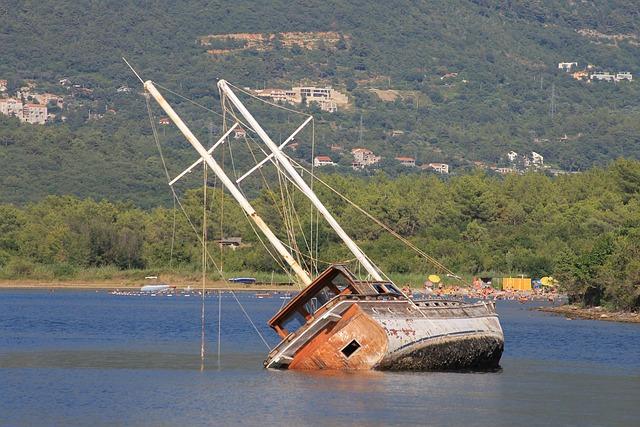
TIVAT, MONTENEGRO – As Montenegro edges closer to European Union membership, significant challenges remain on the path to full integration. In this dispatch from Tivat, the Atlantic Council examines the country’s ongoing reforms, lingering obstacles, and the critical steps Montenegro must take to meet the EU’s rigorous accession criteria. From governance and judicial independence to economic modernization and regional cooperation, the journey toward membership is far from complete, underscoring the complex realities facing this Western Balkan nation’s European ambitions.
Montenegro’s Judicial Reforms and the Fight Against Corruption
The Montenegro government has made notable strides in overhauling its judiciary to align with European Union standards, yet critical challenges persist. Key reforms aimed at increasing transparency, accountability, and independence have been enacted, including new vetting procedures for judges and prosecutors. Despite these efforts, concerns remain regarding political interference and inefficiencies that undermine public trust. Experts emphasize that without consistent application and respect for the rule of law, progress will stagnate, potentially delaying the country’s EU accession timeline.
Essential areas requiring further attention include:
- Strengthening anti-corruption bodies: Empower investigative agencies with greater autonomy and resources to effectively tackle high-level corruption.
- Enhancing judicial independence: Safeguard judicial appointments and decisions from political influence through transparent and merit-based selection processes.
- Improving case management systems: Speed up judicial proceedings and reduce backlog by modernizing court infrastructure and embracing digital solutions.
| Indicator | 2018 | 2023 | EU Average |
|---|---|---|---|
| Perceived Judicial Independence (scale 1-7) | 3.5 | 4.2 | 5.6 |
| Corruption Perception Index (scale 0-100) | 45 | 52 | 68 |
| Average Case Duration (months) | 18 | 14 | 8 |
Strengthening Democratic Institutions to Meet EU Standards
Montenegro’s path to EU accession hinges on a profound transformation of its democratic framework. Central to this process is enhancing the independence of key institutions such as the judiciary, electoral bodies, and anti-corruption agencies. Without depoliticization and greater transparency, public trust remains fragile, undermining both governance and the rule of law. Efforts to reinforce institutional checks and balances must be accompanied by robust mechanisms to ensure accountability, particularly in areas prone to partisan influence.
Key priorities include:
- Judicial reform: empowering courts with operational autonomy and safeguarding judges from political pressure.
- Electoral integrity: modernizing electoral commissions to guarantee free and fair elections, reinforcing voter confidence.
- Anti-corruption measures: establishing independent oversight bodies with real investigative power and public reporting obligations.
Progress in these domains will address the EU’s concerns about governance gaps, paving the way for deeper integration. The following table outlines Montenegro’s current standing against EU expectations:
| Institution | Current Status | Required Action |
|---|---|---|
| Judiciary | Partial independence; delays in case handling | Enforce merit-based appointments; reduce backlog |
| Electoral Commission | Susceptible to political influence | Legislate autonomy; transparent funding |
| Anti-corruption Agency | Lacks investigative authority | Grant full prosecutorial powers; increase staffing |
Enhancing Economic Transparency and Regional Cooperation
Montenegro’s path to EU accession hinges significantly on its ability to bolster economic transparency and deepen ties with neighboring countries. Tackling corruption and promoting clear fiscal policies remain urgent priorities. Recent efforts to align Montenegro’s financial reporting with EU standards show promise but require sustained political will and institutional strengthening. Transparency in public procurement and improved oversight mechanisms must be elevated to ensure investor confidence and reduce vulnerabilities that could derail integration efforts.
Regional cooperation is indispensable in this transitional phase. Montenegro must actively engage in cross-border initiatives that facilitate trade, infrastructure development, and energy security. Key actions include:
- Harmonizing customs procedures to streamline commerce across the Western Balkans.
- Expanding joint environmental projects to address shared challenges effectively.
- Establishing multilateral platforms to resolve economic disputes promptly and fairly.
| Focus Area | Current Status | Next Steps |
|---|---|---|
| Public Procurement Transparency | Partial compliance | Full digitalization and auditing |
| Regional Trade Agreements | Active participation | Expand sectors covered |
| Anti-Corruption Measures | Early reform stage | Increase enforcement and penalties |
Wrapping Up
As Montenegro continues its path toward European Union membership, the challenges outlined in this dispatch from Tivat underscore the complexity of the journey ahead. Addressing key reforms in governance, rule of law, and economic stability remains crucial for aligning with EU standards. While progress has been made, the coming months will be decisive in determining whether Montenegro can meet the Union’s expectations and secure its place within Europe’s political and economic framework. The international community, alongside Montenegrin stakeholders, will be watching closely as the country strives to turn aspirations into tangible achievements.










![Sweden Blocks 2 AI Chatbots, Keeps Copilot [2026] – https://tech-insider.org/](https://europ.info/wp-content/uploads/2026/10/3079689-sweden-blocks-2-ai-chatbots-keeps-copilot-2026-https-tech-insider-org-120x86.jpg)