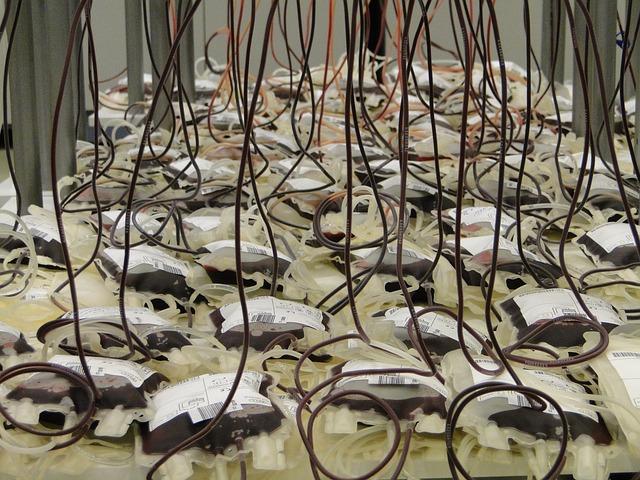
Slovakia is facing a growing shortage of blood donors, raising urgent concerns for the country’s healthcare system. Despite widespread public appeals to boost donor numbers, significant questions linger regarding the eligibility criteria that determine who can safely give blood. As the demand for blood products continues to rise, experts and policymakers are grappling with how to balance donor inclusivity with rigorous safety standards. This article examines the current challenges Slovakia faces in expanding its donor base and explores the debates surrounding blood donation policies in the country.
Slovakia Faces Critical Blood Shortage Amid Growing Demand
Slovakia’s healthcare system is grappling with an alarming shortage of blood supplies as demand continues to surge. Hospitals across the country report increasing difficulties in maintaining adequate reserves, especially for emergency surgeries and chronic treatments. Despite regular donation campaigns, the number of active donors has failed to keep pace, raising concerns about the sustainability of the current blood bank infrastructure. Experts emphasize the urgent need for expanding the donor base, yet many potential contributors remain uncertain about eligibility criteria, which vary based on age, medical history, travel history, and lifestyle factors.
Clarifying who can donate blood has become a critical step toward addressing the gap. Current regulations allow donations from individuals who meet the following conditions:
- Age range: 18 to 60 years, with some allowances for older repeat donors
- Health status: Free from chronic diseases and recent infections
- Lifestyle factors: No high-risk behaviors or recent tattoos and piercings within the last 4 months
- Travel history: No recent visits to malaria-endemic regions or areas with infectious outbreaks
Yet, public confusion persists due to inconsistent messaging, resulting in many qualified donors refraining from participation. To provide transparency, the following table summarizes the core eligibility requirements:
| Eligibility Factor | Requirement |
|---|---|
| Age | 18-60 years (up to 65 for experienced donors) |
| Health | No chronic illness or recent infections |
| Lifestyle | No high-risk behaviors; tattoo/piercing free for 4+ months |
| Travel | No recent travel to endemic or high-risk areas |
Eligibility Criteria for Blood Donors Spark Public Debate
Recent revisions to Slovakia’s blood donation policies have ignited discussions across political and public platforms. While the intent to broaden the donor pool is clear, especially given the growing demand for blood products amid an aging population, concerns persist about the stringency and fairness of eligibility rules. Critics argue that certain restrictions disproportionately affect marginalized groups without scientific consensus backing such exclusions, potentially exacerbating the nationwide shortage. Meanwhile, health authorities emphasize that safety remains paramount, insisting that rigorous criteria are essential to protect both donors and recipients.
Key eligibility factors under scrutiny include:
- Age limits: Current regulations set a narrow age window, which some experts suggest could be expanded to accommodate younger and older willing donors.
- Medical history: Restrictions based on past illnesses have drawn criticism for lacking flexibility in cases of recovered donors.
- Lifestyle factors: Certain behavioral exclusions have raised questions about discrimination and outdated stigmas.
| Eligibility Factor | Current Policy | Public Concern |
|---|---|---|
| Donor Age | 18-60 years | Restrictive limits reduce donor base |
| Chronic Illness | Exclusion if diagnosed within 5 years | Lack of clarity in remission cases |
| Behavioral History | Deferrals based on sexual activity | Societal stigma and potential bias |
Experts Call for Revised Guidelines to Expand Donor Pool
Healthcare professionals and blood bank representatives in Slovakia are urging authorities to revisit current donor eligibility criteria, amid growing concerns over an insufficient blood supply. The existing guidelines, critics argue, are too restrictive and exclude many potential donors who could safely contribute. Expanding the donor pool is deemed essential to address the rising demand for blood transfusions in hospitals nationwide, especially in urgent and ongoing treatments.
Key areas experts believe need revision include:
- Relaxing deferral periods for certain medical conditions
- Reconsidering age limits to include older, healthy donors
- Re-evaluating restrictions based on lifestyle factors with updated scientific evidence
- Improving public awareness campaigns to encourage underrepresented groups to donate
| Current Restriction | Proposed Change | Expected Impact |
|---|---|---|
| Age limit: 18-60 years | Extend upper limit to 65 years for healthy donors | Increase donor base by 10-15% |
| 6-month deferral after tattoos | Reduce to 3 months with validated hygiene standards | Shrink deferral-related shortages |
| Temporary deferral for travel to certain regions | Enhanced risk assessment for easier clearance | More donors eligible post-travel |
The Conclusion
As Slovakia continues to face a critical shortage of blood donors, addressing the restrictions on who is eligible to give remains a key challenge. Balancing safety concerns with the urgent need for donations will require careful review and public dialogue. Ultimately, expanding and diversifying the donor pool is essential to ensure a stable blood supply and safeguard the health of patients across the country.