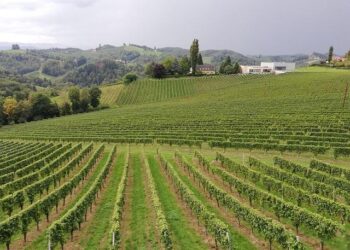
Europe’s unusually scorching summer has taken a severe toll on Austrian agriculture, with prolonged heatwaves and drought conditions stunting crop growth across the region. As harvests dwindle and feed supplies shrink, farmers are facing mounting pressure, leading to a surge in livestock being sent to slaughterhouses earlier than usual. This climate-driven crisis underscores the growing challenges European agriculture confronts amid rising temperatures and erratic weather patterns, threatening both food production and rural livelihoods.
Europe Heatwave Devastates Austrian Agriculture Impacting Crop Yields and Livestock Health
The relentless heatwave sweeping across Europe this summer has severely disrupted Austrian agriculture, forcing farmers into difficult decisions. Sweltering temperatures combined with prolonged drought conditions have led to stunted growth in key crops such as wheat, maize, and barley. The scarcity of water has not only reduced yields but also lowered the nutritional quality of the harvest, posing a significant threat to future food supplies. Additionally, pasturelands have withered, escalating feed costs and limiting fodder availability for livestock.
In response to the mounting challenges, many Austrian farmers are accelerating the culling of their herds to minimize financial losses. The rush to slaughterhouses stems from concerns over animal welfare as extreme heat exacerbates heat stress, dehydration, and disease susceptibility among cattle and other livestock. Industry experts warn that if the heatwave persists, the agricultural sector could face long-lasting economic repercussions.
| Crop | Estimated Yield Loss (%) | Impact on Livestock Feed |
|---|---|---|
| Wheat | 35% | Reduced quality and quantity |
| Maize | 40% | High dryness, less fodder |
| Barley | 30% | Nutritional decline |
- Heat stress causes increased livestock mortality rates.
- Water shortages have affected both crop irrigation and animal hydration.
- Economic strain on farmers due to rising feed costs and lower incomes.
Farmers Accelerate Livestock Slaughter to Mitigate Heat Stress and Economic Losses
Amid soaring temperatures across Europe, Austrian farmers are expediting livestock slaughter to prevent the brutal effects of heat stress on their animals, a move coupled with economic strategy to minimize potential losses. Heatwaves have not only stunted crop growth but also posed significant welfare risks for cattle and pigs, as prolonged heat disrupts feed intake and growth rates, reducing overall market value. Many farmers report accelerated scheduling of slaughtering dates, aiming to capitalize on current market prices before potential quality declines drive prices down.
These decisions are underscored by a complex interplay of factors, including:
- Elevated feed costs due to poor harvests driving up operational expenses
- Potential health risks associated with high humidity and temperature stress in livestock
- Market volatility stemming from disrupted supply chains and fluctuating demand
| Impact Factor | Effect on Livestock | Farmer Response |
|---|---|---|
| Heat Stress | Reduced feed efficiency | Early slaughter |
| Feed Scarcity | Higher costs | Cost-cutting measures |
| Market Prices | Fluctuation & uncertainty | Strategic timing of sales |
Experts Urge Implementation of Sustainable Farming Practices to Combat Future Climate Risks
The recent heatwave that severely damaged Austria’s crops has spotlighted the urgent need for more resilient agricultural methods. Experts emphasize that traditional farming techniques are increasingly vulnerable to extreme weather events caused by climate change. They advocate for adopting sustainable practices such as crop diversification, soil conservation, and advanced irrigation systems to reduce dependency on single crop yields and improve overall farm resilience. These approaches not only mitigate the risk of crop failure but also promote long-term ecological balance.
In response to the agricultural losses, a rush to slaughterhouses has emerged as farmers seek immediate financial relief due to dwindling feed supplies. Specialists warn, however, that without systemic changes, such reactive measures will only offer short-term solutions. The following table outlines key sustainable farming strategies recommended to safeguard future harvests and enhance climate adaptability:
| Practice | Benefit |
|---|---|
| Cover Cropping | Improves soil health and moisture retention |
| Agroforestry | Provides shade and reduces erosion |
| Precision Irrigation | Reduces water use, increases efficiency |
| Crop Rotation | Prevents pest buildup and enhances fertility |
- Investing in drought-resistant crop varieties
- Implementing real-time weather monitoring technologies
- Promoting farmer education programs on climate-smart techniques
Future Outlook
As Europe continues to grapple with unprecedented heatwaves, Austria’s agricultural sector faces mounting challenges. The recent summer drought has severely impacted crop yields, forcing farmers into difficult decisions such as accelerating livestock slaughter to mitigate losses. This situation underscores the broader vulnerabilities of European agriculture amid rising climate extremes, prompting calls for adaptive strategies to safeguard food security in the years ahead.