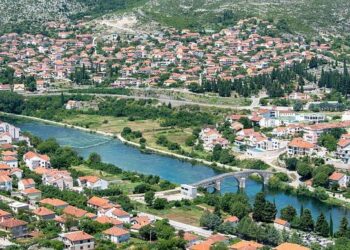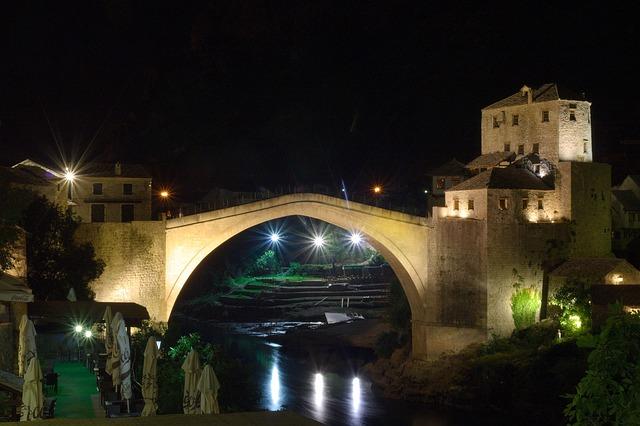
Bosnia and Herzegovina stands at a critical juncture as deep-seated domestic divisions increasingly strain the fragile equilibrium within the Western Balkans. Amid rising political tensions and ethnic fault lines, the country’s complex power-sharing arrangement faces renewed challenges that threaten not only internal stability but also the broader regional balance. This report delves into how Bosnia and Herzegovina’s evolving political landscape is testing the resilience of post-conflict governance structures and raising concerns among regional and international stakeholders.
Bosnia and Herzegovina Faces Rising Domestic Tensions Challenging Regional Stability
Recent developments within Bosnia and Herzegovina have escalated tensions among its main ethnic groups, signaling deeper challenges to the fabric of the country’s political unity. The ongoing disagreements over constitutional reforms and power-sharing mechanisms have fueled nationalist rhetoric, undermining efforts at reconciliation. Analysts warn that these domestic disputes do not only threaten internal cohesion but also risk destabilizing the wider Western Balkans region, where fragile peace is a perennially delicate balance.
Key issues driving the unrest include:
- Disputes over electoral law amendments aimed at altering representation
- Calls for increased autonomy by Republika Srpska political leaders
- Economic disparities intensifying ethnic divisions
- External influences complicating diplomatic negotiations
| Factor | Impact | Regional Concern |
|---|---|---|
| Electoral Reform | Heightened ethnic polarization | Potential election delays |
| Autonomy Demands | Risk of constitutional crisis | Undermines EU integration prospects |
| Economic Imbalance | Social unrest increase | Cross-border migration pressure |
Ethnic Divisions Threaten Political Cohesion and Economic Progress
The complex mosaic of ethnic identities within Bosnia and Herzegovina continues to restrain the nation’s ability to forge a unified political path. Deep-rooted allegiances to the three dominant ethnic groups-Bosniaks, Serbs, and Croats-manifest in a fragmented governmental structure that often prioritizes ethnic interests over national cohesion. This persistent division undermines legislative efficiency, hampers reform efforts, and fuels political stalemates that paralyze decision-making processes. As political actors remain entrenched in ethnonational rhetoric, initiatives aimed at fostering cooperation and inclusivity face systemic resistance, threatening the fragile peace and stability painstakingly maintained since the Dayton Agreement.
Economically, this fractured political landscape translates into inconsistent policies and uneven investment distribution, stalling growth and deterring foreign investment. Businesses confront a labyrinth of bureaucratic hurdles and competing regional agendas, complicating efforts to establish a harmonized market. The disparities are further illustrated by stark contrasts in economic indicators across ethnic lines:
| Ethnic Region | Unemployment Rate (%) | FDI Inflow (Million EUR) | GDP Growth Rate (%) |
|---|---|---|---|
| Bosniak-majority Areas | 20.1 | 150 | 2.3 |
| Serb-majority Areas | 25.3 | 95 | 1.7 |
| Croat-majority Areas | 18.9 | 130 | 2.0 |
Key challenges persist:
- Fragmented economic policymaking reduces national competitiveness.
- Ethnic favoritism distorts resource allocation and public services.
- Lack of coordinated infrastructure projects delays integration efforts.
Without comprehensive reforms that transcend ethnonational divides, Bosnia and Herzegovina’s prospects for political stability and sustainable economic progress remain at risk.
Experts Call for Inclusive Dialogue and International Mediation to Restore Balance
Leading voices in the geopolitical sphere emphasize that only through inclusive dialogue involving all ethnic and political groups can Bosnia and Herzegovina overcome its internal fractures. Experts stress that fostering communication channels among the country’s key stakeholders will be crucial for rebuilding trust and mitigating escalating tensions. They believe such engagement must be underpinned by respect for constitutional frameworks and the protection of minority rights to ensure long-term stability.
Alongside domestic efforts, there is a growing call for international mediation to guide the process, leveraging the experience and neutrality of global actors. The following components are highlighted as essential in mediation strategies:
- Impartial facilitation that respects sovereignty and local dynamics
- Support for confidence-building measures between communities
- Structured timelines to track progress and accountability
- Engagement of regional players to ensure a collective security approach
| Mediator Entities | Key Role | Potential Impact | |||||||||||
|---|---|---|---|---|---|---|---|---|---|---|---|---|---|
| European Union | Policy guidance and funding | Encourages reforms and integration | |||||||||||
| United Nations | Peacekeeping and observation | Ensures security and human rights | |||||||||||
| OSCE | Monitoring elections It looks like the last row in your table was cut off. Here’s the complete version of the table row for the OSCE and the full table formatted cleanly:
If you want me to help with further content or formatting, please let me know! To Wrap It UpAs Bosnia and Herzegovina grapples with deepening domestic divisions, the fragile equilibrium that has sustained regional stability faces unprecedented strain. The interplay of ethnic politics and institutional fragmentation continues to challenge efforts toward national cohesion and effective governance. How Sarajevo and the international community navigate these complexities will be critical in determining not only the country’s future but also the broader prospects for peace and stability in the Western Balkans. ADVERTISEMENT  Related Posts |