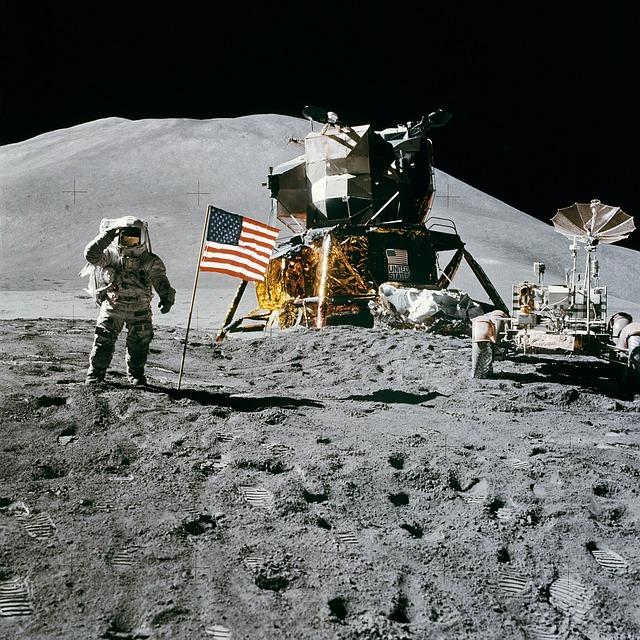
NASA has officially welcomed San Marino as the latest signatory to the Artemis Accords, a multilateral agreement that outlines principles for responsible and peaceful exploration of the Moon and beyond. This addition marks a significant step in expanding international collaboration as NASA and its partners work together to advance the goals of the Artemis program. By joining the Accords, San Marino commits to upholding guidelines that promote transparency, interoperability, and sustainable exploration in space, reinforcing a global partnership aimed at unlocking the next chapter of lunar exploration.
NASA Expands International Collaboration with San Marino Joining Artemis Accords
NASA’s latest move to broaden global space partnerships marks a significant milestone with San Marino joining the Artemis Accords. This agreement solidifies San Marino’s commitment to peaceful and transparent exploration activities, aligning with established principles of responsible behavior in space. The addition of this small yet dynamic nation highlights the growing international consensus around the sustainable and cooperative development of lunar and deep space missions. It also reflects the increasing diversity of countries investing in the future of space exploration alongside NASA and other signatories.
By endorsing the Artemis Accords, San Marino pledges to uphold core values such as mutual respect, peaceful collaboration, and data sharing, reinforcing the framework that supports lunar surface activities and resource utilization. This move not only enhances legal clarity and operational safety but also fosters new scientific opportunities for all participants. Below is a snapshot of key commitments emphasized in the agreement among the Artemis partners:
- Transparency: Open sharing of scientific data and mission plans
- Interoperability: Ensuring systems and equipment are compatible
- Space Safety: Promoting safe operations to avoid harmful interference
- Environmental Protection: Responsible management of lunar and space environments
Implications for Global Space Exploration and Sustainable Lunar Missions
The integration of San Marino into the Artemis Accords marks a significant milestone for international collaboration in space exploration. By aligning with the accords’ principles, nations commit to transparent sharing of scientific data, ensuring that lunar missions are conducted with respect for heritage sites and environmental sustainability. This cooperative framework fosters innovation and trust, enabling smaller spacefaring entities like San Marino to contribute meaningfully to humanity’s return to the Moon. The agreement emphasizes the importance of peaceful activities, which underpins joint efforts to avoid resource conflicts and maintain long-term operational bases on the lunar surface.
As the Artemis program moves forward, these evolving partnerships will enhance infrastructure development and promote interoperability among diverse spacecraft and technologies. Key benefits include:
- Resource Management: Encouragement of sustainable extraction practices to preserve the lunar environment.
- Safety Protocols: Standardized communication and hazard prevention to protect crewed missions.
- Scientific Collaboration: Open exchange of findings fueling new discoveries and technological advances.
| Aspect | Impact on Lunar Missions |
|---|---|
| Environmental Protections | Minimized contamination and preserved historical sites |
| Data Sharing | Accelerated scientific progress and transparency |
| Resource Use | Balanced utilization preserving long-term viability |
Recommendations for Strengthening Multinational Partnerships in Deep Space Initiatives
To ensure the success of deep space initiatives under the Artemis Accords, fostering a culture of transparency and shared accountability among participating nations is essential. Establishing regular multinational working groups will facilitate open dialogue on mission objectives, technology sharing, and safety protocols. These forums should prioritize alignment on scientific goals, ethical standards, and conflict resolution mechanisms to build lasting trust. Additionally, integrating cross-agency training programs will improve operational synergy and prepare astronauts and ground personnel for the intricacies of collaborative space missions.
Financial and technical resource allocation must be strategically coordinated to maximize efficiency. Implementing a centralized resource-sharing platform can streamline contributions and allow real-time tracking of critical assets such as launch windows, spacecraft components, and research data. The table below illustrates proposed areas of cooperation and their potential impact on mission success:
| Area of Cooperation | Key Benefit | Example Initiative |
|---|---|---|
| Communication Systems | Enhanced real-time data exchange | Unified Deep Space Network |
| Scientific Research | Broader expertise and data sets | Joint Lunar Surface Experiments |
| Mission Logistics | Optimized scheduling and resource use | Shared Launch Facilities |
To Conclude
The addition of San Marino to the growing list of Artemis Accords signatories marks a significant step in fostering international cooperation for the peaceful exploration of the Moon and beyond. As NASA continues to build a diverse coalition of partners committed to transparency, interoperability, and sustainable space exploration, this new partnership underscores the expanding global interest in lunar missions and the broader goals of the Artemis program. With San Marino now officially on board, the Artemis Accords’ vision of a collaborative and responsible approach to space exploration takes another important stride forward.