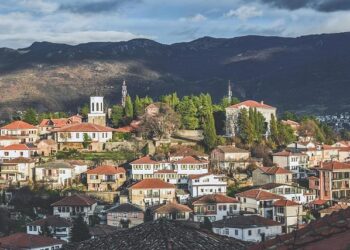
North Macedonia is strengthening its partnership with the World Bank Group as it seeks to accelerate economic growth and development. Recent initiatives and ongoing projects highlight the collaborative effort to enhance infrastructure, improve public services, and foster private sector investment. This evolving relationship underscores North Macedonia’s commitment to reform and sustainable progress, positioning the country for greater integration into the global economy.
North Macedonia’s Economic Growth and World Bank Group Support
North Macedonia has experienced notable economic progress in recent years, driven by key reforms and strategic investments supported by the World Bank Group. These advancements have been fundamental in enhancing the country’s business climate, attracting foreign investment, and fostering sustainable growth. The World Bank’s initiatives focus on improving infrastructure, expanding access to finance for small and medium enterprises (SMEs), and strengthening governance frameworks. As a result, North Macedonia’s GDP growth rate has shown resilience despite regional economic challenges, positioning the country as a rising economy in Southeast Europe.
Key areas of collaboration between North Macedonia and the World Bank Group include:
- Infrastructure modernization: Upgrading transport and energy networks to increase connectivity and efficiency.
- Private sector development: Boosting entrepreneurship through improved access to credit and technical support.
- Social inclusion efforts: Emphasizing job creation and equitable opportunities for vulnerable communities.
- Environmental sustainability: Promoting green energy projects and climate-resilient development plans.
| Indicator | 2018 | 2022 |
|---|---|---|
| GDP Growth (%) | 2.9 | 4.1 |
| FDI Inflows (million USD) | 350 | 520 |
| World Bank Investment (million USD) | 150 | 275 |
| SME Credit Access Increase (%) | – | 18 |
Key Infrastructure Projects Driving Development Backed by World Bank Investment
The World Bank’s investment portfolio in North Macedonia has been pivotal in accelerating the country’s infrastructure development, targeting sectors that promise sustained economic growth and improved quality of life. Major projects include enhancing the national transport network, modernizing water supply systems, and expanding renewable energy capacities. These ventures not only improve connectivity and public services but also align with environmental sustainability goals, reflecting a comprehensive approach to development.
Key highlights of these infrastructure initiatives include:
- Upgrading the E-75 highway: Facilitating smoother trade routes to regional neighbors and Europe.
- Water and sanitation improvements: Expanding access in both urban and rural areas, reducing health risks.
- Investment in solar and wind energy projects: Pioneering clean energy to reduce carbon footprint and increase energy security.
| Project | Sector | Completion Year | Investment (USD millions) |
|---|---|---|---|
| E-75 Highway Upgrade | Transport | 2025 | 120 |
| Water Supply Expansion | Utilities | 2024 | 45 |
| Renewable Energy Development | Energy | 2026 | 60 |
Policy Recommendations for Enhancing Sustainable Development in North Macedonia
To accelerate North Macedonia’s journey toward sustainable development, policymakers must prioritize the integration of green technologies and renewable energy into national infrastructure projects. Emphasizing investments in solar and wind energy will not only reduce the country’s carbon footprint but also foster energy independence. Furthermore, enhancing regulatory frameworks to support eco-friendly industrial practices is essential, ensuring that environmental considerations become a mandatory component in all sectors. Strengthening public-private partnerships can also mobilize critical resources and innovation, delivering scalable solutions tailored to North Macedonia’s unique socio-economic landscape.
In addition, improving rural livelihoods through sustainable agriculture and water resource management stands as a cornerstone of inclusive growth. Policymakers should focus on:
- Promoting climate-smart farming techniques to boost productivity while conserving natural resources.
- Establishing efficient irrigation systems to combat water scarcity and enhance crop resilience.
- Providing targeted training and financial support to smallholder farmers for adopting sustainable practices.
| Policy Area | Recommended Action | Expected Impact |
|---|---|---|
| Energy | Scale renewable projects; update grid infrastructure | Reduced emissions; enhanced energy security |
| Agriculture | Adopt climate-smart practices | Increased yield; sustainable land use |
| Water Management | Implement efficient irrigation systems | Water conservation; improved crop resilience |
Final Thoughts
In summary, the partnership between North Macedonia and the World Bank Group continues to play a pivotal role in the country’s development trajectory. Through strategic investments and collaborative initiatives, the World Bank supports North Macedonia’s efforts to enhance economic growth, improve infrastructure, and promote inclusive social progress. As North Macedonia navigates its path toward greater regional integration and sustainable development, the ongoing cooperation with the World Bank Group remains a critical component in shaping the nation’s future.