Iceland’s ongoing debate over European Union membership is increasingly shaped by domestic priorities rather than broader geopolitical considerations, according to analysts at The Arctic Institute. As the country weighs the benefits and drawbacks of accession, discussions within Iceland have centered more on economic interests, fisheries management, and national sovereignty than on the strategic implications of EU alignment in the Arctic region. This shift in focus highlights the unique dynamics driving Iceland’s EU accession discourse amid evolving political and environmental challenges in the North Atlantic and Arctic spheres.
Iceland’s Economic Priorities Shape EU Accession Discussions
Economic considerations prominently influence Iceland’s stance in ongoing EU accession deliberations, often overshadowing broader geopolitical factors. The country’s financial priorities center on safeguarding its vital fisheries sector, which significantly contributes to GDP and employment. Joining the EU entails adhering to the Common Fisheries Policy, a prospect met with caution by many Icelandic stakeholders. Additionally, energy exports and the development of renewable resources are critical economic pillars. Iceland’s government is keen to secure arrangements that protect these interests while leveraging EU membership to access broader markets and investment opportunities.
Key Economic Drivers in Iceland’s EU Discussions:
- Protection of fisheries management and quotas
- Expansion of geothermal and hydroelectric energy exports
- Access to EU markets and funding mechanisms
- Maintaining sovereignty over natural resource policies
| Sector | EU Impact | Iceland’s Priority |
|---|---|---|
| Fisheries | Common Policy Compliance | Preserve Quota Control |
| Energy | Market Expansion | Renewable Investment Growth |
| Trade | Market Access | Diversify Exports |
| Policy | Regulatory Alignment | Retain Resource Sovereignty |
Energy Independence and Fisheries Drive Domestic Debate
The conversation surrounding Iceland’s potential EU membership remains deeply rooted in concerns over sovereignty, particularly emphasizing the nation’s energy self-sufficiency and fishery resources. While geopolitical shifts in the Arctic attract international attention, domestic priorities are steering the debate at home. Iceland’s abundant renewable energy-predominantly geothermal and hydropower-forms the backbone of its economy and energy policy. Any move toward integration with the EU triggers apprehension about ceding control over these vital resources, which are not only crucial for energy independence but also for maintaining economic leverage in regional cooperation.
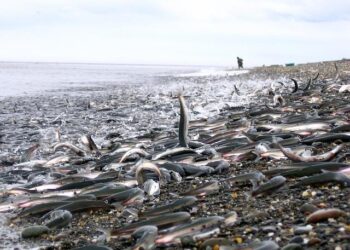
Alongside energy, fisheries emerge as a cornerstone of national identity and economic stability, fueling passionate discourse across political spectrums. The Icelandic fishing industry, responsible for a significant share of exports and employment, faces uncertainties about potential policy shifts under the EU’s Common Fisheries Policy. Key domestic concerns include:
- Quota allocations: Fear of reduced national shares in rich fishing zones;
- Regulatory oversight: Potential loss of autonomous management;
- Economic impact: Effects on rural communities dependent on fisheries.
| Sector | Current Control | EU Policy Challenge |
|---|---|---|
| Energy | Full national ownership | Regulatory harmonization risks |
| Fisheries | Exclusive economic zone management | Quota redistribution pressures |
The domestic debate underscores a reluctance to sacrifice economic autonomy for broader geopolitical alignment, reflecting a pragmatic, resource-centric perspective rather than international strategic ambitions.
Policy Recommendations for Aligning National Interests with EU Membership
To reconcile Iceland’s national priorities with the demands of EU membership, policymakers must adopt a tailored approach that emphasizes flexibility in sensitive sectors such as fisheries and agriculture. Strengthening domestic institutions to better interface with EU mechanisms is crucial. This includes expanding capacity for regulatory alignment while safeguarding Iceland’s unique economic interests. Key policy actions should promote transparency and public engagement to build consensus, leveraging Iceland’s democratic strengths to manage the complex transition. Moreover, prioritizing innovation-driven economic diversification will reduce dependency on traditional industries, aligning national growth with broader EU sustainability goals.
Concrete steps toward alignment can be organized around several strategic pillars:
- Incremental Harmonization: Phased adoption of EU regulations allows adjustment periods for critical industries.
- Enhanced Stakeholder Dialogue: Institutionalize forums for cooperation between government, industry, and civil society.
- Strategic Economic Diversification: Invest in emerging sectors such as green technology and digital services.
- Regional Arctic Cooperation: Capitalize on EU platforms to strengthen Iceland’s influence in Arctic governance.
| Policy Focus | Expected Outcome |
|---|---|
| Fisheries Management | Preserve quota control while ensuring sustainable practices |
| Regulatory Capacity | Improved alignment with EU directives and standards |
| Economic Diversification | Less reliance on fisheries and tourism |
| Arctic Policy Integration | Stronger regional influence through EU partnerships |
Wrapping Up
As Iceland continues to navigate its complex relationship with the European Union, domestic considerations remain at the forefront of the accession debate. While geopolitical dynamics in the Arctic undoubtedly influence regional policies, it is the country’s internal political climate, economic interests, and public opinion that are shaping the discourse on EU membership. The Arctic Institute’s analysis highlights that for Iceland, the path toward or away from the EU will be determined less by external pressures and more by the priorities and values of its own citizens and leaders. As the debate evolves, observers will be watching closely to see how Iceland balances these domestic drivers against the broader geopolitical landscape.