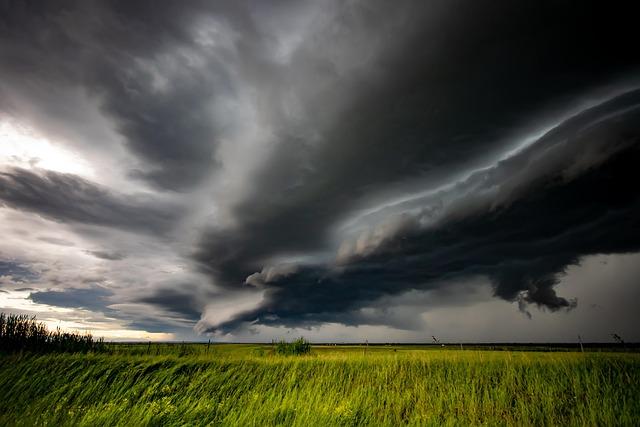
The United Kingdom faces an unprecedented challenge as weather volatility escalates, driven by the looming threat of a Super El Niño event. Kennedys Law LLP, a leading legal expert in risk management, has issued a stark warning about the potential for widespread accumulation risk across multiple sectors. This rare climatic phenomenon threatens to disrupt infrastructure, insurance markets, and supply chains, compounding the uncertainty faced by businesses and communities alike. As the nation braces for intensified storms, flooding, and temperature extremes, experts emphasize the urgent need for robust legal frameworks and proactive risk mitigation strategies to navigate the complex landscape ahead.
Weather Volatility Challenges UK Insurers Amid Super El Niño Threat
The impending Super El Niño phenomenon poses significant challenges to the UK’s insurance sector, with unprecedented weather variability threatening to escalate claims and accumulation risks. Insurers are bracing for a surge in extreme weather events such as intense rainfall, flooding, and storms, which could simultaneously impact vast geographical areas. This clustering of losses, often referred to as accumulation risk, complicates traditional risk modelling and pricing strategies, forcing underwriters to revisit their exposure frameworks and capital reserves.
Key risks and considerations for UK insurers include:
- Heightened uncertainty in catastrophe modelling leading to potential underestimation of losses
- Increased frequency of multi-line claims across property, motor, and business interruption covers
- Challenges in reinsurance treaty placements and pricing due to systemic risk spikes
- Pressure on capital adequacy as loss correlations intensify
| Weather Event | Projected Frequency Increase | Potential Impact |
|---|---|---|
| Severe Rainfall | +35% | Flooding, Property Damage |
| Storms | +25% | Wind Damage, Motor Claims |
| Heatwaves | +20% | Crop Loss, Business Interruption |
Assessing Accumulation Risk and Potential Impact on Claims Exposure
In the wake of the Super El Niño phenomenon, the UK faces heightened accumulation risk, whereby multiple weather-related losses converge within a specific timeframe or location, significantly amplifying the scale of potential claims. Insurers and risk managers must meticulously evaluate exposure across portfolios to identify clusters of vulnerable assets, particularly in regions prone to flooding, storm damage, and infrastructure disruption. The volatility introduced by the El Niño event disrupts historical claim patterns and challenges traditional underwriting models, calling for enhanced data analytics and real-time monitoring to quantify emerging risks accurately.
Key factors influencing accumulation risk include:
- Geographical concentration of insured properties in high-risk zones
- Simultaneous triggering of multiple peril events (e.g., heavy rainfall followed by strong winds)
- Interdependencies within supply chains and critical infrastructure
- Policy wordings that may limit or amplify aggregation impacts
| Weather Event | Historic Claim Impact (£m) | Accumulation Risk Factor | Projected Impact (£m) |
|---|---|---|---|
| Flooding | 120 | 1.8 | 216 |
| Storm Damage | 90 | 2.1 | 189 |
| Supply Chain Disruption | 45 | 1.5 | 67.5 |
Proactively addressing these accumulation risks enables insurers to develop robust claims strategies and set appropriate reserves, ultimately safeguarding solvency amidst an unpredictable climate landscape. Collaborative approaches involving actuaries, underwriting teams, and catastrophe modelers are essential to adapting to the evolving dynamics introduced by Super El Niño and mitigating systemic vulnerabilities within claims exposure frameworks.
Strategic Recommendations for Managing Emerging Weather Risks in Insurance
Insurance carriers must move beyond traditional risk models to address the intensified uncertainty brought by super El Niño events impacting the UK’s weather patterns. Proactive adjustments in underwriting practices, including the integration of advanced climate data analytics and satellite monitoring, are critical for anticipating the geographical clustering of weather-related claims. Insurers should enhance collaboration with meteorological experts to develop dynamic risk frameworks that reflect real-time shifts in precipitation, wind, and temperature fluctuations. This approach helps mitigate the danger of accumulation risk where multiple high-value claims materialize simultaneously, potentially overwhelming reserves.
Key strategic actions for insurers include:
- Reassessing exposure limits in traditionally low-risk regions now susceptible to flooding and storms.
- Leveraging parametric insurance products to provide faster payouts linked to specific weather triggers.
- Investing in resilience and loss prevention programs for policyholders, reducing long-term claims volatility.
- Enhancing reinsurance arrangements to spread risks born from concentrated weather events.
| Risk Factor | Impact on Insurance | Recommended Action |
|---|---|---|
| Flooding in Non-Coastal Areas | Spike in homeowners claims | Reassess exposure and update underwriting guidelines |
| Unseasonal Storm Activity | Unexpected policy losses | Deploy parametric insurance solutions |