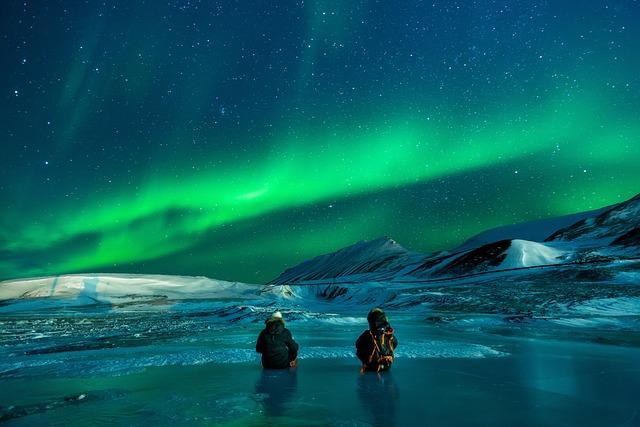
Iceland has long captivated travelers with its otherworldly landscapes, but few natural phenomena rival the mesmerizing spectacle of the Northern Lights. As the aurora borealis paints the night sky in vibrant hues of green, pink, and purple, visitors flock to this Nordic island nation in hopes of witnessing the celestial show. This guide explores the best times and locations to experience the Northern Lights in Iceland, offering essential tips for maximizing your chances of catching one of nature’s most breathtaking displays.
Best Times to Witness the Northern Lights in Iceland’s Dark Skies
For those chasing the elusive glow of the aurora borealis, timing is crucial. In Iceland, the prime viewing season typically spans from late September to early April, when the nights are longest and skies are darkest. During these months, the combination of minimal daylight and often clear, crisp air creates ideal conditions for vibrant light displays. The best sightings tend to occur between 10 PM and 2 AM, although the phenomenon can sometimes be spotted earlier in the evening. Cloud cover and solar activity also play significant roles, so staying updated with local aurora forecasts can increase your chances of witnessing this celestial spectacle.
Consider the following key periods and conditions to maximize your experience:
- Equinox Months (September & March): Increased geomagnetic activity often results in stronger auroras.
- Clear, dark skies: Avoid urban light pollution by heading to rural or coastal areas.
- New Moon phases: The absence of moonlight enhances the visibility of faint aurora curtains.
- Check the KP index: A score of 3 or above suggests good aurora activity potential.
| Month | Average Night Length | Aurora Activity Level |
|---|---|---|
| September | 10-13 hours | Moderate to High |
| October | 12-15 hours | High |
| November – February | 15-20 hours | High |
| March | 12-15 hours | Moderate to High |
| April | 8-10 hours | Low to Moderate |
Top Locations Across Iceland for Optimal Aurora Borealis Viewing
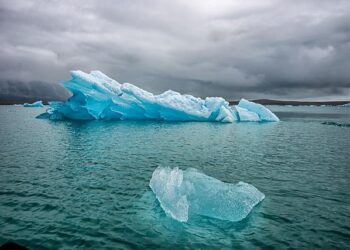
When chasing the elusive aurora, location is everything. Iceland boasts numerous spots famous for their clear, dark skies and breathtaking views of the Northern Lights. Thingvellir National Park is a prime choice for its minimal light pollution and dramatic landscapes, offering a perfect backdrop to the shimmering skies. Meanwhile, the remote Westfjords region provides one of the darkest skies in the country, making it a hotspot for aurora hunters seeking an intimate natural experience far from bustling towns. For a balance of accessibility and awe, the area around Jökulsárlón Glacier Lagoon mesmerizes visitors as the dancing lights reflect off floating icebergs.
To optimize your chances, consider these top-tier aurora viewing locations:
- Reykjavík outskirts – Easily accessible with quick escapes to darker areas
- Vik – Coastal views with the Northern Lights glimmering above black sand beaches
- Akureyri – The northern capital offers urban amenities alongside excellent aurora visibility
- Eastfjords – Less frequented, providing quiet nights with spectacular skies
| Location | Distance from Reykjavík | Best Viewing Time | Unique Feature |
|---|---|---|---|
| Thingvellir National Park | 45 km | 9 PM – 2 AM | Historic rift valley with stunning vistas |
| Westfjords | 250+ km | 10 PM – 3 AM | Exceptional darkness in isolated fjords |
| Jökulsárlón | 370 km | 8 PM – 1 AM | Reflections on glacial icebergs |
| Vik | 180 km | 9 PM – 12 AM | Black sand beaches and coastal horizon |
Essential Tips and Gear for Capturing the Northern Lights Experience
Photographing the Northern Lights in Iceland requires more than just luck and clear skies. To maximize your chances of capturing this spectacular phenomenon, it’s vital to prepare with the right equipment and techniques. Bring a sturdy tripod to keep your camera perfectly still during long exposure shots and opt for a DSLR or mirrorless camera with manual settings to control shutter speed, aperture, and ISO. A wide-angle lens with a fast aperture (f/2.8 or wider) will help capture the expansive night sky along with the dancing auroras. Don’t forget extra batteries, as cold temperatures can significantly reduce battery life, and consider bringing remote shutter releases or intervalometers to prevent camera shake when taking shots.
Additionally, dressing warmly in layers and using hand warmers will ensure you can stay out comfortably throughout the night. When scanning for the best locations, steer clear of artificial light pollution for clearer, more vibrant images; remote areas like Thingvellir National Park or the Westfjords are prime choices. Below is a quick reference table summarizing essential gear:
| Gear | Purpose | Recommended Specs |
|---|---|---|
| Camera | Manual control & low light capture | DSLR or mirrorless |
| Lens | Wide-angle, fast aperture | 14-24mm, f/2.8 or wider |
| Tripod | Stabilization during long exposures | Heavy-duty, adjustable height |
| Extras | Remote shooting & battery life | Remote shutter, extra batteries |
In Summary
In summary, witnessing the Northern Lights in Iceland remains one of the most captivating natural experiences available to travelers. With clear skies, minimal light pollution, and prime viewing conditions typically from September to April, visitors have ample opportunities to catch the elusive aurora. Key locations such as Þingvellir National Park, the Westfjords, and remote areas outside Reykjavik continue to offer some of the best vantage points. As interest in this celestial phenomenon grows, experts emphasize the importance of patience and preparedness for fluctuating weather. Whether a seasoned aurora chaser or first-time visitor, Iceland’s Northern Lights promise an unforgettable spectacle that draws admirers from around the globe year after year.