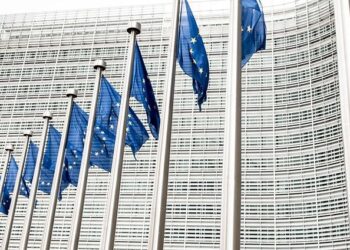
Slovenia marks two decades as a member of the European Union, celebrating 20 years of integration, progress, and cooperation within the bloc. The main celebration, organized by the government and featured prominently on the official portal GOV.SI, highlights the country’s achievements and milestones since joining the EU in 2004. As Slovenia reflects on its journey, officials and citizens alike emphasize the benefits of membership, from economic growth to increased regional influence, underscoring the nation’s ongoing commitment to the European project.
Celebrating Two Decades of Slovenia’s EU Membership Highlights and Milestones
Since joining the European Union in 2004, Slovenia has solidified its role as a proactive and dynamic member state. Over the past 20 years, the nation has achieved significant milestones that showcase its commitment to European integration and regional development. From adopting the euro in 2007 to holding the Presidency of the Council of the European Union in 2008 and again in 2021, Slovenia has consistently driven forward initiatives that emphasize sustainability, digital innovation, and social cohesion. These milestones reflect both the country’s adaptation to EU policies and its growing influence within the bloc, contributing to shaping Europe’s political and economic landscape.
Key highlights of Slovenia’s EU journey include:
- Economic Transformation: Rapid development through access to European markets and structural funds.
- Environmental Leadership: Pioneering green policies aligned with EU climate goals.
- Digital Advancement: Spearheading smart infrastructure projects enhancing connectivity across the region.
- Cultural Integration: Promoting multilingualism and cross-border collaboration.
| Year | Milestone | Impact |
|---|---|---|
| 2004 | EU Membership | Access to funding and markets |
| 2007 | Adoption of the Euro | Economic stability and integration |
| 2008 & 2021 | EU Council Presidency | Leadership in EU policymaking |
| 2015 | Green Infrastructure Initiatives | Commitment to sustainability |
In-depth Look at Cultural and Economic Impact of EU Integration on Slovenia
Since joining the European Union in 2004, Slovenia has undergone a profound transformation both culturally and economically. The integration has fostered greater cultural exchange, leading to a vibrant fusion of ideas, traditions, and innovation. Cities like Ljubljana have emerged as cultural hubs, hosting international festivals and exhibitions that showcase Slovenia’s unique heritage alongside EU-wide diversity. Moreover, EU membership has strengthened Slovenia’s commitment to multiculturalism and linguistic diversity, contributing to a broader sense of European identity among its citizens.
The economic benefits of EU integration are equally significant. Access to the single market has boosted export opportunities, attracting foreign investment and increasing competitiveness in key sectors such as manufacturing and technology. Public funds from EU cohesion policies have financed critical infrastructure projects, enhancing connectivity and regional development. The table below highlights some key economic indicators that illustrate Slovenia’s progress over the past two decades:
| Indicator | 2004 | 2024 | Change |
|---|---|---|---|
| GDP per capita (EUR) | 14,200 | 27,800 | +95.8% |
| Export volume (billion EUR) | 15 | 61 | +306.7% |
| Employment rate (%) | 58.4 | 73.6 | +15.2% |
Beyond numbers, the EU’s social programs have enhanced educational and professional mobility for Slovenians, with thousands benefiting from Erasmus+ and cross-border research grants. Key areas positively impacted include:
- Regional infrastructure and transport development
- Innovation and research collaboration
- Environmental sustainability initiatives
- Strengthening of democratic institutions and governance
Recommendations for Leveraging EU Membership in Slovenia’s Future Development
To maximize the benefits of EU membership, Slovenia must prioritize strategic investments in innovation and green technologies, positioning itself as a regional leader in sustainability. Strengthening cross-border collaboration within the Union will unlock new economic opportunities, especially in areas such as digital infrastructure and smart mobility. Policymakers should focus on enhancing educational systems to better align with the EU’s evolving labor market demands, ensuring the workforce is agile and competitive in a rapidly changing environment.
Key actions for Slovenia’s future growth:
- Leverage EU structural funds for small and medium-sized enterprises (SMEs) to boost entrepreneurship.
- Promote cultural exchange and social cohesion to reinforce European identity.
- Implement comprehensive digital transformation in public services for greater transparency and efficiency.
- Expand renewable energy projects with EU support to meet climate goals.
| Sector | EU Funding (Million €) | Expected Impact |
|---|---|---|
| Research & Innovation | 120 | Enhanced competitiveness |
| Green Energy | 90 | Reduced carbon footprint |
| Digital Infrastructure | 75 | Improved connectivity |
Key Takeaways
As Slovenia marks two decades of membership in the European Union, the celebrations highlighted the country’s progress and its ongoing commitment to European values. The events showcased Slovenia’s achievements within the EU framework while looking ahead to future opportunities and challenges. For more detailed information and updates on the anniversary activities, visit Portal GOV.SI.