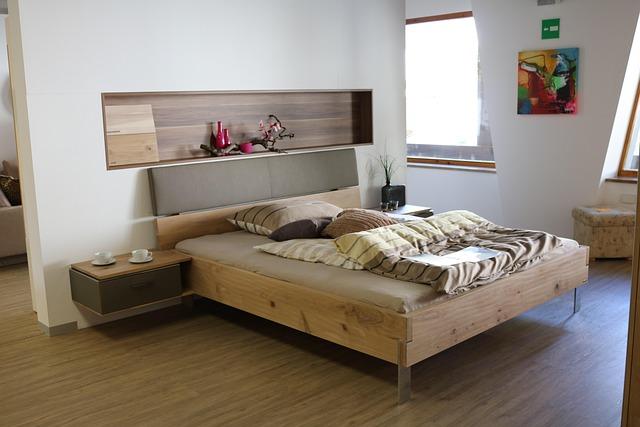
In a striking departure from Italy’s traditionally ornate architectural styles, a new minimalist house has emerged as a powerful advocate for simplicity and intentional living. Featured in Architectural Digest, this residence exemplifies how pared-down design can create both functional and aesthetically compelling spaces. By embracing minimalism, the home challenges conventional notions of luxury, demonstrating that less truly can be more in contemporary architecture.
Minimalist Design Principles Transform Traditional Italian Architecture
In redefining the essence of traditional Italian architecture, this minimalist approach strips away ornamental excess to reveal a pure and functional elegance. The design seamlessly integrates clean lines, open spaces, and natural light, emphasizing quality over quantity. By prioritizing simplicity, the residence celebrates authentic materials such as raw stone, warm wood, and smooth plaster, allowing them to speak for themselves without distraction. This refined aesthetic not only pays homage to Italy’s architectural heritage but also introduces a contemporary clarity that resonates with modern living.
Key elements driving this transformation include:
- Neutral color palette: Soft whites and earthy tones evoke calmness and continuity.
- Textural contrasts: Combining polished concrete with rustic stone adds subtle depth.
- Emphasis on light: Strategic window placements maximize daylight while framing scenic Italian landscapes.
- Functional spatial planning: Multipurpose rooms reduce clutter and enhance flow.
| Traditional Feature | Minimalist Update |
|---|---|
| Ornate Cornices | Simple, clean moldings |
| Heavy Drapes | Light Linen Curtains |
| Chandelier Lighting | Recessed LED Spotlights |
| Closed-off Rooms | Open-plan Layouts |
Natural Materials and Open Spaces Enhance Sustainable Living
Integrating natural materials into the design strategically enhances both aesthetics and environmental sustainability. The Italian minimalist home showcases locally sourced stone, reclaimed wood, and clay finishes that breathe life into each room while minimizing the carbon footprint. These elements not only improve indoor air quality but also offer durability and timeless beauty. The tactile warmth of natural textures contrasts sharply with synthetic replacements, creating a harmonious balance between modern minimalism and nature’s organic appeal.
Generous open-plan layouts encourage an uninterrupted flow of natural light and fresh air, reducing reliance on artificial lighting and ventilation. The expansive floor-to-ceiling windows frame panoramic views of the surrounding landscape, reinforcing a continuous connection between interior and exterior spaces. Key benefits of this design approach include:
- Energy efficiency through passive solar heating and cooling
- Enhanced wellbeing by fostering a sense of openness and tranquility
- Flexibility in multifunctional living areas that adapt to changing needs
| Material | Source | Sustainability Impact |
|---|---|---|
| Reclaimed Wood | Local Barn | Reduces deforestation |
| Stone | Nearby Quarry | Longevity and thermal mass |
| Clay Plaster | Traditional Craftsmen | Non-toxic, breathable walls |
Expert Tips for Creating a Clutter-Free Home That Embraces Simplicity
To maintain a serene, clutter-free environment, start by reassessing each item’s value in your daily life. Adopt the “one in, one out” rule, where every new possession requires parting with an old one to prevent accumulation. Utilizing beautifully crafted storage solutions that blend seamlessly with your home’s aesthetic can also keep essentials organized without sacrificing style. Moreover, designate specific zones for commonly used items-this reduces visual distractions and improves functionality.
Embracing simplicity involves more than just removing excess; it requires thoughtful curation. Here’s a practical checklist to consider:
- Natural light maximization: Clear surfaces to allow daylight to fill the room, promoting a sense of openness.
- Multi-functional furniture: Pieces that serve dual purposes minimize clutter and maximize space.
- Neutral color palettes: Soft tones create a calming backdrop that makes spaces feel larger and freer.
- Consistent maintenance: Regular tidying sessions prevent buildup and keep the minimalist vision intact.
| Tip | Benefit |
|---|---|
| Limit decorative objects | Creates visual calmness and focus |
| Use concealed storage | Keeps clutter out of sight |
| Regularly donate unused items | Pre It looks like your message got cut off at the end. From what you shared, you have a nicely structured piece on maintaining a serene, clutter-free environment with practical tips, a checklist, and a helpful table highlighting tips and their benefits.
If you’d like, I can help you complete the table text or assist with editing, formatting, or expanding this content. Just let me know! Final ThoughtsIn an era increasingly defined by excess and complexity, this minimalist Italian home stands as a compelling testament to the power of simplicity. As Architectural Digest highlights, the design challenges conventional notions of luxury, proving that less can indeed be more. This residence not only redefines modern living but also invites a broader conversation on sustainability, intentionality, and the future of residential architecture. ADVERTISEMENT  Related Posts |