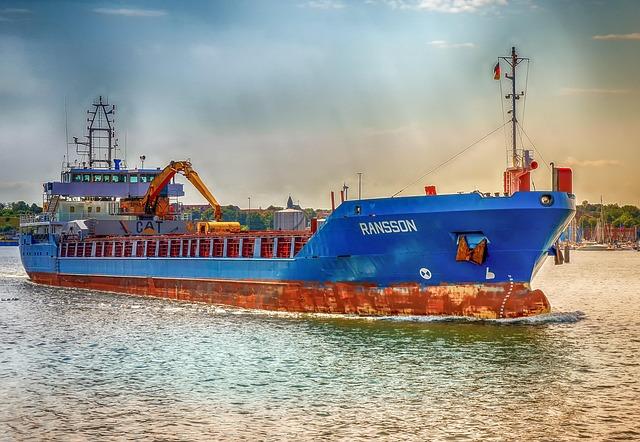
A Russian cargo ship, recently struck by a drone attack, has departed Finnish waters despite an ongoing sanctions-related hold, raising questions about the enforcement and effectiveness of international restrictions. The incident, reported by gCaptain, highlights the complexities facing authorities as geopolitical tensions continue to impact maritime operations in the region. Officials are now scrutinizing the circumstances that allowed the vessel to leave Finnish jurisdiction amid tightened controls on Russian shipping.
Drone Targeted Russian Cargo Vessel Exits Finnish Territorial Waters Amid Sanctions Enforcement
In a significant move amid escalating geopolitical tensions, the Russian cargo vessel that sustained damage from a drone strike has successfully exited Finnish territorial waters. The incident, which occurred during a period of heightened sanctions enforcement against Russian maritime activities, marks a delicate moment in regional security dynamics. Despite surveillance and pressure from Finnish coastal authorities, the vessel managed to navigate through the Baltic Sea corridors, raising questions about the effectiveness and enforcement mechanisms of current sanctions.
Authorities have confirmed the following facts concerning the vessel’s departure:
- Vessel Name: MV Volga Star
- Damage Assessment: Moderate structural impact on starboard hull
- Sanctions Status: Listed under EU maritime embargoes
- Departure Time: Early morning hours, under low visibility conditions
- Route: Exited via northern sea corridor towards Russian territorial waters
| Aspect | Details |
|---|---|
| Sanctions Enforcement | Increased patrols and monitoring by Finnish authorities |
| Drone Strike Impact | Temporary disablement of radar and communication |
| International Response | Calls for stricter maritime sanctions and patrol coordination |
Implications of Drone Strikes on Maritime Security in the Baltic Region
The recent drone strike targeting a Russian cargo vessel in the Baltic Sea underscores a significant shift in the dynamics of maritime security across the region. Traditionally reliant on naval and air patrols for monitoring, Baltic states now face an elevated threat landscape where unmanned aerial vehicles (UAVs) introduce a new vector of conflict. This incident not only highlights the vulnerability of commercial shipping to asymmetric warfare tactics but also raises critical concerns regarding the enforcement of sanctions and the safeguarding of international waters. The Baltic Sea, a critical conduit for global trade and energy transit, is increasingly becoming a frontline where geopolitical tensions manifest in novel and disruptive ways.
Key security challenges emerging from this event include:
- Enhanced vulnerability of non-military vessels to precision strikes, complicating risk assessments for shipping companies.
- Escalation risks stemming from ambiguous attribution and retaliatory measures across national borders.
- Heightened surveillance demands requiring integration of counter-drone technologies with traditional maritime patrol systems.
| Implication | Potential Impact | Response Strategy |
|---|---|---|
| Sanctions Enforcement | Compromised monitoring of cargo movements | Stricter vessel tracking and intelligence sharing |
| Maritime Insurance | Rising premiums due to elevated risk | Development of specialized insurance products for conflict zones |
| Regional Stability | Increased military presence and tensions | Diplomatic engagement and confidence-building measures |
Policy Recommendations for Strengthening Sanctions Compliance and Naval Surveillance
In response to the recent breach involving a drone-hit Russian cargo ship exiting Finnish waters amidst sanction enforcement, experts emphasize the urgent need for enhanced compliance mechanisms. Authorities should implement real-time digital tracking systems combined with AI-driven analytics to monitor vessel movements more accurately. These technologies would facilitate immediate alerts when a sanctioned ship attempts unauthorized passage, allowing for swift intervention. Additionally, strengthening legal frameworks to close loopholes that enable evasive maneuvers is critical, coupled with imposing stricter penalties on entities that facilitate such violations.
Naval surveillance capabilities must also be modernized to meet emerging threats posed by drone technology and covert transport methods. Recommended measures include:
- Integrated drone detection networks along critical maritime corridors
- Enhanced international intelligence sharing to identify sanction circumvention tactics quickly
- Expanded joint maritime patrols with neighboring countries to boost regional oversight
| Measure | Purpose | Expected Outcome |
|---|---|---|
| Real-time Tracking | Monitor sanctioned vessels | Immediate alerts for unauthorized routes |
| Drone Detection Networks | Identify low-signature threats | Prevent covert physical attacks |
| Joint Maritime Patrols | Collaborate with allies | Expanded area control and response |
To Conclude
As the Russian cargo ship departs Finnish waters despite ongoing sanctions and recent drone-related damage, the incident underscores the complexities of maritime enforcement amid geopolitical tensions. Authorities continue to monitor the situation closely, balancing regulatory measures with the challenges posed by evolving conflict dynamics in the Baltic region. Further developments are expected as international responses to such provocations unfold.