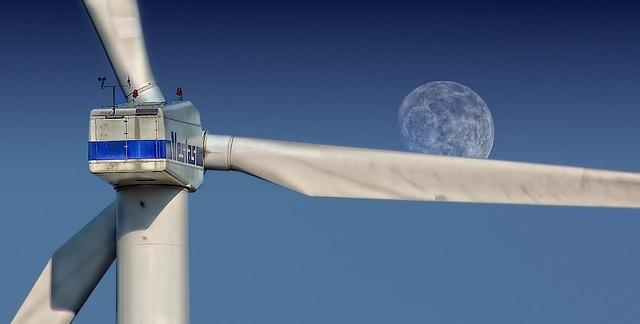
The European Climate, Infrastructure and Environment Executive Agency (CINEA) is accelerating the transition to renewable energy across the continent, with a strong focus on Latvia’s burgeoning wind energy sector. Under the initiative “Your EU – Your projects in Latvia,” ambitious projects are taking shape to harness the country’s wind power potential, aligning with the EU’s broader climate goals and energy security agenda. This push not only underscores Latvia’s commitment to sustainable development but also highlights the crucial role of European funding and expertise in driving clean energy innovations. As wind turbines rise along Latvia’s coastline and rural landscapes, the collaboration between local stakeholders and European institutions signals a powerful momentum toward a greener future.
Expanding Wind Energy Infrastructure in Latvia to Meet EU Climate Goals
Latvia is poised to significantly enhance its renewable energy capacity by ramping up investments in wind power infrastructure. This strategic move aligns closely with the European Union’s ambitious directives to reduce greenhouse gas emissions by 55% by 2030 and achieve climate neutrality by 2050. Currently, wind energy represents a modest share of Latvia’s electricity mix, but recent policy incentives and EU funding have ignited a surge in project development along the Baltic coastline and inland sites with high wind potential. Key infrastructure upgrades include the installation of advanced turbines, expansion of grid connectivity, and implementation of innovative energy storage solutions to ensure reliability and resilience.
The collaborative efforts between Latvian authorities, EU institutions, and private sector stakeholders are also focusing on socio-economic benefits, aiming to generate new jobs and foster regional development. The most significant planned projects are supported by the European Climate, Infrastructure and Environment Executive Agency, which provides technical expertise and financial backing under various funding mechanisms. Below is an overview of current funding allocations and projected capacities for wind energy projects in Latvia:
| Project Phase | EU Funding (€ million) | Estimated Capacity (MW) | Completion Year |
|---|---|---|---|
| Planning & Development | 45 | 150 | 2025 |
| Construction | 120 | 300 | 2027 |
| Grid Modernization | 35 | N/A | 2026 |
- Enhanced cross-border cooperation to optimize Baltic Sea wind potential
- Focus on sustainable materials and ecological impact mitigation during construction
- Community engagement programs to ensure local support and fair compensation
Local Community Engagement and Economic Benefits of Wind Projects
Wind energy projects in Latvia are not only reshaping the landscape of renewable power but are also serving as catalysts for stronger local communities. By actively involving residents in planning and development phases, these initiatives foster transparency and inclusivity that ensure projects align with community needs and values. This engagement often translates into job creation, skills development, and increased local investment, empowering smaller towns and rural areas that have traditionally faced economic challenges.
Economic benefits derived from wind projects extend beyond electricity generation, impacting various sectors and stakeholders:
- Boosting local employment opportunities during both construction and operational stages
- Generating stable income streams for landowners through lease agreements
- Supporting small business growth in supply chains and maintenance services
- Increasing municipal revenues that fund public services and infrastructure improvements
| Impact Area | Estimated Annual Benefit | Community Contribution |
|---|---|---|
| Job Creation | 800+ new local jobs | Training programs and apprenticeships |
| Municipal Revenue | €1.5 million | Infrastructure upgrades and social services |
| Landowner Income | €300,000 | Lease agreements & community funds |
Policy Recommendations for Accelerating Renewable Energy Investments in Latvia
To catalyze a robust expansion of wind energy in Latvia, targeted policy measures must prioritize streamlined permitting processes and enhanced stakeholder engagement. Simplifying administrative procedures can reduce project lead times, unlocking greater investor confidence. Additionally, fostering transparent dialogue with local communities is essential to address concerns and secure public support, which remains a critical factor in the success of wind initiatives. Policymakers are encouraged to introduce financial incentives that de-risk investments, such as tailored subsidies, tax breaks, and guaranteed feed-in tariffs, creating a more attractive market environment for both domestic and foreign investors.
Critical infrastructure upgrades should also align with renewable targets to facilitate the integration of new wind capacity into Latvia’s grid. This includes:
- Modernizing grid connections to reduce bottlenecks and improve energy transmission efficiency
- Enhancing cross-border energy cooperation with neighboring EU states to stabilize supply and optimize wind resource utilization
- Promoting innovation and R&D funding to develop next-generation turbine technologies adapted to Latvia’s unique climatic conditions
| Policy Focus | Expected Impact | Timeline |
|---|---|---|
| Streamlined Permitting | Quicker project deployment | 1-2 years |
| Financial Incentives | Increased investor interest | Immediate |
| Grid Modernization | Higher integration capacity | 3-5 years |
| R&D Investment | Innovation in turbine tech | Ongoing |
Future Outlook
As Latvia continues to harness its wind energy potential, the support from the European Climate, Infrastructure and Environment Executive Agency underscores a broader commitment to a sustainable and resilient Europe. The “Your EU – Your projects in Latvia” initiative not only advances clean energy infrastructure but also exemplifies how collaborative efforts can drive the EU’s green transition. With continued investment and innovation, Latvia is poised to play a significant role in shaping Europe’s renewable energy future.