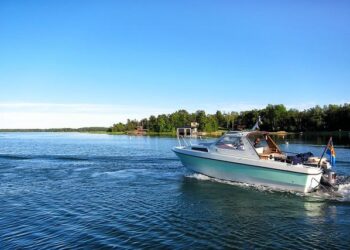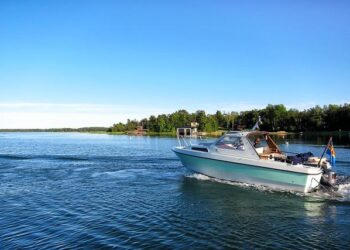
The Baltic Sea, a vital waterway nestled in Northern Europe, continues to draw global attention for its unique ecological, economic, and geopolitical significance. Stretching across multiple countries and serving as a critical hub for maritime trade, energy resources, and environmental challenges, the Baltic Sea remains a focal point for international cooperation and regional development. This article delves into the latest insights and comprehensive overview provided by Britannica, shedding light on the sea’s history, geography, and contemporary issues shaping its future.
Geopolitical Importance of the Baltic Sea in Contemporary Europe
The Baltic Sea plays a pivotal role in the strategic framework of contemporary Europe, acting as a maritime crossroads that connects Northern and Eastern Europe to global markets. Its significance extends beyond commerce, serving as a critical arena for geopolitical maneuvering among NATO members, the European Union, and Russia. The region’s waterways facilitate the transport of energy supplies, including vital oil and gas routes, which are essential for the energy security of multiple European nations. As tensions rise over regional influence, control over these sea lanes has become a central component of military and diplomatic strategies.
Several key factors underscore the sea’s enduring geopolitical weight:
- Military Presence: Increased naval patrols and installations by NATO countries emphasize deterrence and rapid response capabilities.
- Energy Transit Routes: The Baltic Sea transmits crucial pipelines and shipping lanes carrying natural gas and oil.
- Economic Integration: Ports along the coast facilitate intense trade flows between the EU and Eastern states, notably Russia.
- Environmental Security: Joint cooperation frameworks aim to mitigate ecological risks arising from maritime traffic and military activity.
| Aspect | Stakeholders | Impact |
|---|---|---|
| Naval Exercises | NATO, Russia | Heightened readiness, strategic signaling |
| Energy Pipelines | Russia, Germany, Baltic States | Energy supply stability, political leverage |
| Trade Routes | European Union, Scandinavia | Economic growth, connectivity |
| Environmental Cooperation | All littoral nations | Preservation of marine biodiversity |
Environmental Challenges Threatening the Baltic Ecosystem
The Baltic Sea faces mounting pressure from a variety of environmental stressors that jeopardize its delicate ecosystem. Among the most pressing issues is eutrophication, driven by excessive nutrient runoff from agriculture and urban areas. This influx of nitrogen and phosphorus fuels harmful algal blooms, which deplete oxygen levels and create “dead zones” where marine life struggles to survive. Additionally, the sea’s brackish water creates unique but fragile habitats that are highly sensitive to pollution and salinity changes, further endangering native species. Industrial contaminants, including heavy metals and persistent organic pollutants, accumulate in the sediment and biota, posing long-term risks to biodiversity and human health.
Climate change compounds these challenges, altering temperature and ice cover in the region, which affects species migration patterns and breeding cycles. Rising sea levels and increased storm intensity lead to coastal erosion and habitat loss, impacting fish spawning grounds and bird nesting sites. The Baltic Sea also suffers from intense shipping traffic and overfishing, which disrupt the natural balance and threaten commercial fish stocks. Efforts to mitigate these threats focus on stricter environmental regulations, improved wastewater treatment, and enhanced international cooperation to protect this vulnerable marine environment.
- Eutrophication: Nutrient overload causing oxygen depletion
- Pollution: Heavy metals and toxic chemicals accumulation
- Climate Change: Temperature rise and altered salinity patterns
- Overfishing: Declining fish populations and biodiversity loss
- Shipping Traffic: Increased disturbance and pollution risks
| Environmental Issue | Main Causes | Impact on Baltic Sea |
|---|---|---|
| Eutrophication | Agricultural runoff, wastewater | Dead zones, algal blooms |
| Pollution | Industrial waste, chemicals | Bioaccumulation, toxicity |
| Climate Change | Greenhouse gas emissions | Temperature rise, habitat loss |
| Overfishing | Unsustainable fishing It looks like the last row of the table is incomplete. Here’s the continuation and completion of the last row, along with the closing tags for the table and section: | |
| Overfishing | Unsustainable fishing practices | Declining fish stocks, biodiversity loss |
| Shipping Traffic | Increased vessel movements | Habitat disturbance, pollution |
If you want, I can also help enhance or modify the content further!
Strategies for Sustainable Development and Cross-Border Cooperation
Effective management of the Baltic Sea region hinges on coordinated policies that prioritize environmental protection, economic growth, and social equity. Key initiatives include joint marine spatial planning, pollution reduction agreements, and sustainable fisheries management. Governments and regional organizations actively promote innovative green technologies such as renewable energy projects and eco-friendly shipping practices to mitigate climate impact. Furthermore, the focus extends to preserving biodiversity by establishing cross-border marine protected areas and restoring critical habitats, enabling the entire ecosystem to thrive sustainably.
Cross-border collaboration is strengthened through platforms like the Baltic Sea Parliamentary Conference and the HELCOM Commission, which unite stakeholders across countries to address shared challenges. These cooperative frameworks foster transparency and data exchange, encouraging unified responses to oil spills, eutrophication, and invasive species. The table below highlights some pivotal cross-border cooperation mechanisms that have accelerated progress in sustainable development throughout the region.
| Cooperation Body | Main Focus | Participating Countries |
|---|---|---|
| HELCOM | Marine Environment Protection | All Baltic States + EU Members |
| Baltic Sea Parliamentary Conference | Policy Dialogue and Regional Integration | 11 Countries |
| Baltic Sea Region Strategy (EU) | Economic & Environmental Sustainability | EU Members + Neighbors |
Future Outlook
In summary, the Baltic Sea remains a region of critical environmental, economic, and geopolitical significance. As outlined by Britannica, its unique ecological characteristics and diverse bordering nations continue to shape the dynamics of Northern Europe. Ongoing efforts to address pollution and foster cooperation among the Baltic states will be essential in preserving this vital maritime area for future generations.